
Why Our Follow-Up Sequence Exists — and How It Fits Into the AI Apprentice Program

The weekly MAA (Metrics → Analysis → Action) report is the heartbeat of the AI Apprentice program. It’s the mechanism that ensures apprentices are actually doing the work, learning from the data, and driving real performance for their local service business clients.
When apprentices fail to submit their MAAs, they’re flying blind. And if they’re flying blind, we are flying blind. No coaching, no troubleshooting, no accountability, no progression through the program.
This is exactly why we needed a clear, layered follow-up sequence; one that blends automation, human accountability, and operational discipline.
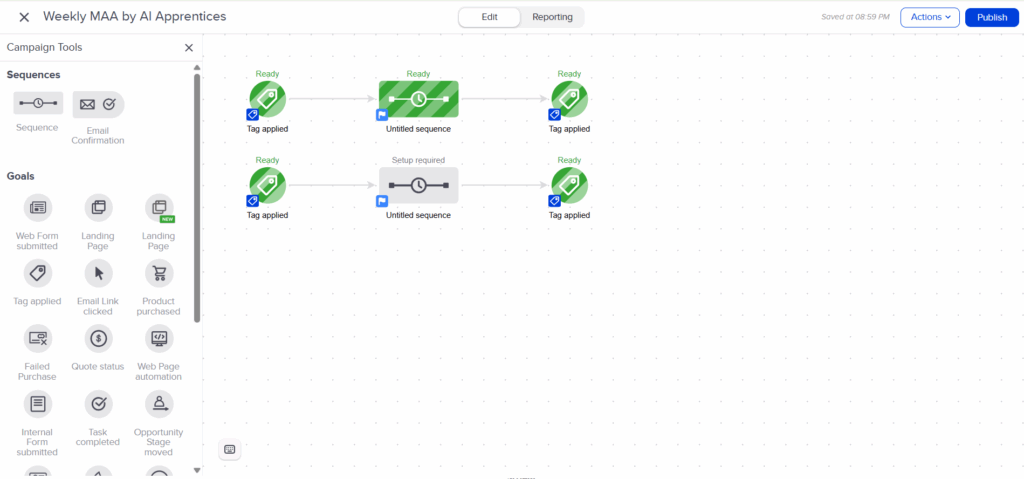
Jack, as program lead, oversees the standards and expectations. Operations team drives compliance. And the automation is there to make sure nothing slips through the cracks.
This article explains the logic, purpose, and flow of the follow-up sequence so all coaches, staff, and apprentices understand how it works and why it exists.
Why Weekly MAAs Matter
The AI Apprentice program is built on three pillars:
Real clients, real work
Every apprentice operates like a mini-agency. They’re responsible for driving measurable results: phone calls, leads, cost per lead, content production, and ranking improvements.
Structured accountability
The program is not babysitting. It’s an apprenticeship. Apprentices learn by doing, reporting, and iterating.
The weekly MAA is the mechanism that:
- Tracks KPIs.
- Surfaces issues (declining calls, rising CPC, broken assets).
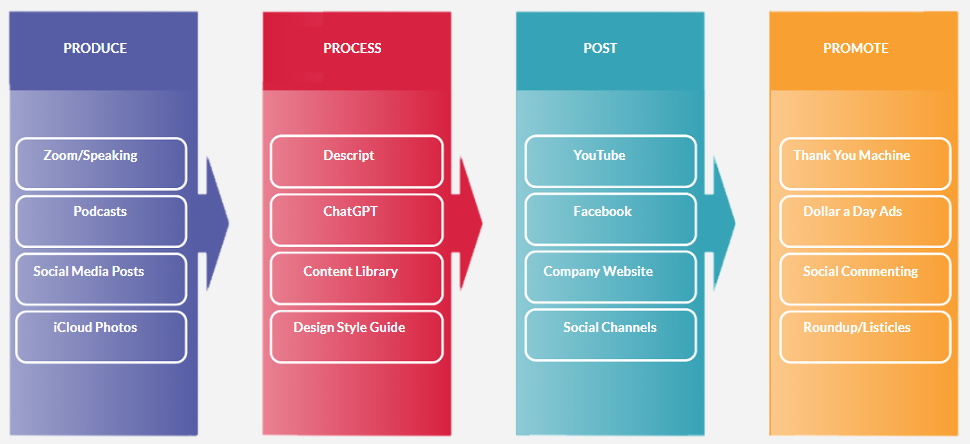
- Shows progress through the Content Factory process:
Demonstrated mastery
Apprentices “graduate” by proving competence, not by waiting out a calendar year.
Their MAAs are the evidence: the logbook of a pilot, the surgical report of a resident, the notebook of a chef.
So when apprentices stop submitting MAAs, the entire apprenticeship model breaks.
The Problem: MAA Compliance Is Low
Most apprentices are not submitting their weekly MAAs.
That triggers two questions:
- RCA (Root Cause Analysis): Why are they failing?
- RCF (Root Cause Fix): How do we eliminate the cause, not just patch the symptom?
Automation alone does not solve the problem. Left alone, automated emails get ignored faster than a gym membership reminder.
We need a layered system:
Automation → Human follow-up → Escalation
The Follow-Up Sequence: Logic & Structure
The follow-up system is designed to:
- Remind apprentices ahead of time.
- Notify them at the deadline.
- Escalate when they fail.
Here’s the logic behind each layer.
Phase 1 — Automated Reminders
These reminders exist so humans don’t have to nag.
Purpose: Prevent “I forgot” and train proactive behavior.
Details:
- Tells them MAA is due Friday.
- Links directly to the process.
- Reinforces expectation: “If you’re traveling or unavailable, submit early.”
Phase 2 — Human Follow-Up
Once automation has done its job, the human layer begins.
This is where the operations team comes in.
Why human follow-up matters:
- People ignore bots, but rarely ignore a real person.
- Human tone communicates care instead of cold automation.
- Humans can ask real questions and uncover real barriers.
- Human contact reinforces the culture: you matter, your work matters.
In trades, apprentices who repeatedly miss required logs or hours don’t advance.
Same here.
Phase 3 — Escalation
If an apprentice misses multiple MAAs, the issue moves beyond operations.
Jack, as program lead, steps in to:
- Clarify consequences.
- Re-align expectations with the apprentice and parent (if applicable).
- Determine whether the apprentice is still a fit for the program.
- Recommend remediation pathways.
This keeps the program strong and prevents weak links from dragging down the group.
How the Sequence Fits Into the Apprentice Program Culture
The follow-up process reinforces the values the program is built on:
Apprenticeship, not classrooms
You learn by doing, reporting, and improving, not by memorizing.
Accountability, not babysitting
Support exists, but progress requires personal responsibility.
Community learning
Missing MAAs deprives both the apprentice and the group of insights.
Data-driven coaching
We can’t coach what we can’t see.
Preparing apprentices for real agency life
Clients expect updates.
Real marketers live by numbers.
Reporting is not optional.
Closing Thought
Most apprentices who fail to submit MAAs are lost.
The follow-up sequence is our way of pulling them back onto the path.
Automation handles the reminders.
Humans handle the growth.
Leadership handles the standards.
And together, this structure ensures the AI Apprentice program remains what it was designed to be:
A hands-on, accountable, real-world training ground that turns young adults into capable, confident agency operators.
Interested in the AI Apprentice Program? Learn more about High Rise Academy — hands-on AI marketing training with real clients and real results.
Learn more about the Content Factory framework — the 6-stage system behind everything we do at High Rise Influence.