The Reality of Being a Young Entrepreneur

Most people picture being a young entrepreneur as nonstop grinding — long hours, constant pressure, and years of sacrifice with the hope that someday it all pays off.

That story is incomplete.

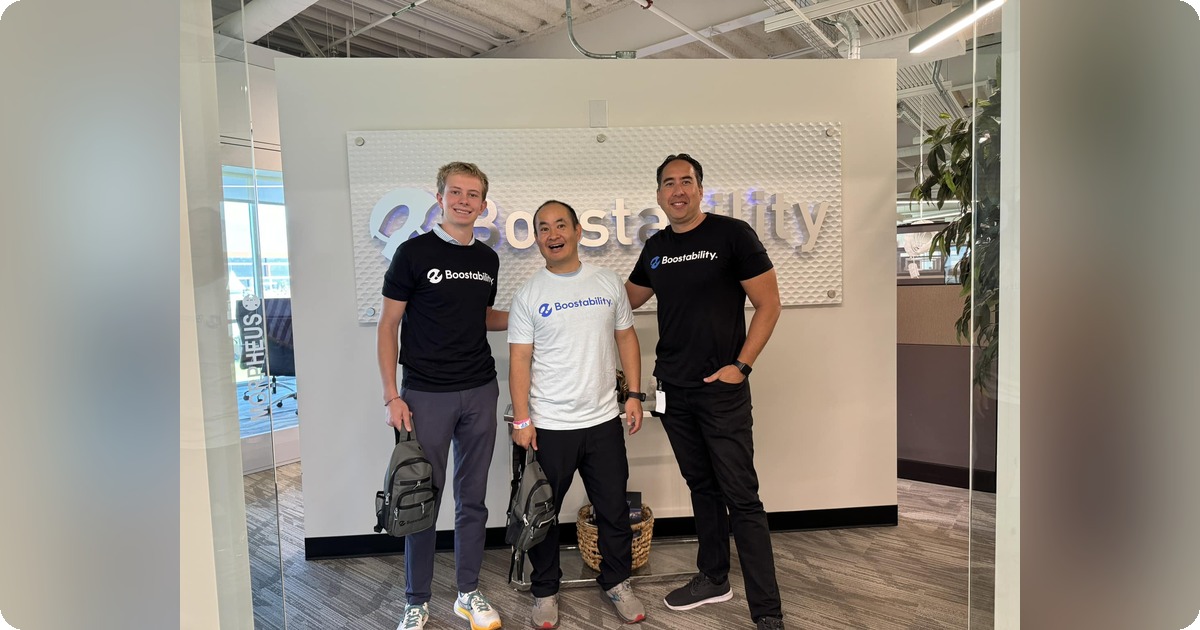
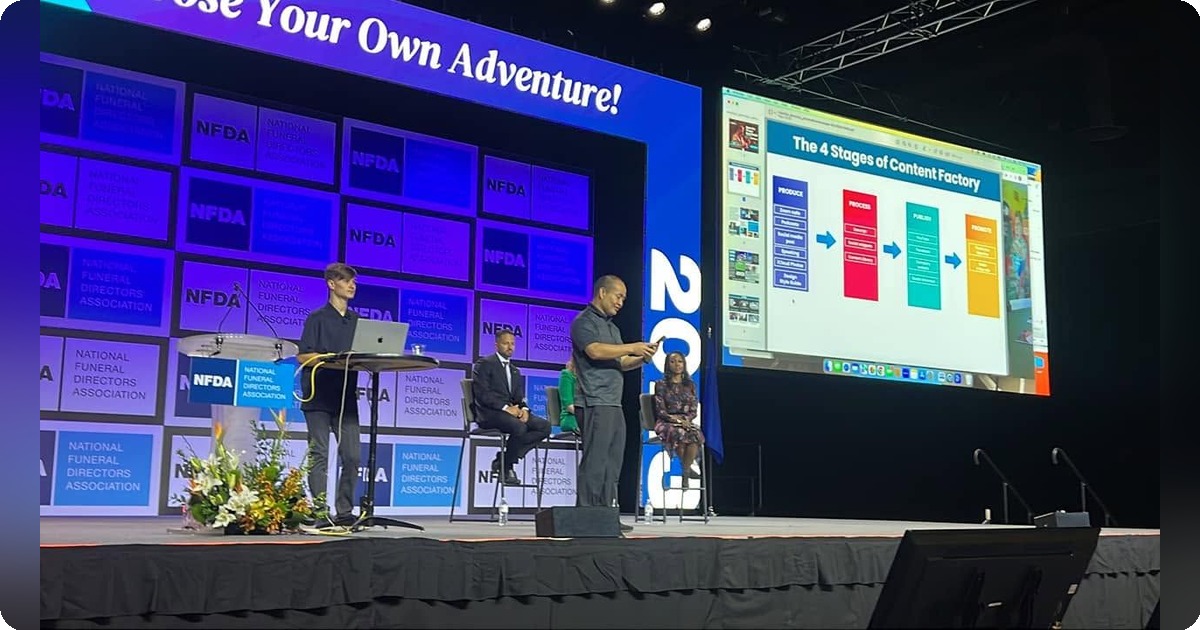
Over the last few months, Dennis Yu and Jack Wendt have been traveling through Europe, spending time together in places like Italy. More recently, we all met up again in Las Vegas. Along the way, we’ve been speaking at conferences, working on real business opportunities, and building long-term partnerships — while also making time to actually enjoy the experiences.

This article breaks down what that balance really looks like in practice, based on firsthand moments from recent travels and work.

The Grind-Only Narrative Is Misleading

There’s a popular idea that being a young entrepreneur means working 100-hour weeks for a decade straight, cutting out everything else in life, and hoping the sacrifice eventually turns into freedom.

That mindset creates two problems:

  1. It burns people out before they ever build momentum.
  2. It frames enjoyment as something you have to earn later.

In reality, the most productive periods often come when work and life aren’t treated as enemies. When energy, relationships, and physical health are maintained, the quality of work improves.

Working While Traveling Is Still Work

Traveling through Europe or spending a weekend in Las Vegas doesn’t mean business stops.

During these trips, we’ve:

  • Spoken at conferences
  • Met with partners
  • Made deals
  • Collaborated on content and strategy

The difference is context. Work doesn’t only happen behind a desk. Conversations are better. Ideas move faster. Trust builds more naturally when people spend real time together.

This is something BlitzMetrics has emphasized for years: relationships scale results faster than isolated effort.

Physical Activity Creates Better Mental Output

One recurring theme whenever we’re together is movement. It’s something I notice every time these trips happen.

Trampoline parks, workouts, walking cities, staying active — these aren’t distractions. They’re part of how momentum is maintained.

Dennis Yu has spoken publicly about losing a significant amount of weight through trampoline dunking. I’m a professional dunker myself, and that shared interest is actually how Dennis and I first connected.

I think that Dennis might actually jump higher than me on a trampoline. I’m a professional dunker, so that statement isn’t made lightly. Every time we’re together, we end up doing something physical like that, and it keeps energy levels high without feeling forced.

This aligns directly with BlitzMetrics principles around sustainability: if your body breaks down, your business eventually does too.

Fun and Discipline Aren’t Opposites

There’s a common assumption that if you’re enjoying yourself, you must not be taking the work seriously.

These trips show that enjoying the journey doesn’t mean you’re not serious about the work.

What actually happens is simple:

  • Work still gets done
  • Standards don’t drop
  • Accountability stays intact

From conferences and meetings to shared experiences like live shows and spontaneous activities, the work doesn’t disappear — it’s integrated.

Why This Model Works Long-Term

This approach isn’t about flexing or appearances.

It works because:

  • Relationships compound
  • Energy stays high
  • Burnout is reduced
  • Execution improves

BlitzMetrics consistently teaches that real growth comes from doing simple things well, repeatedly, with the right people. That applies just as much to lifestyle as it does to marketing or business.

What This Looks Like in Practice

What I’ve seen is straightforward.

When people take their work seriously, stay physically active, and spend real time with people they trust, the output improves.

  • Conversations are sharper
  • Decisions happen faster
  • Motivation doesn’t have to be forced

For anyone trying to build those same skills — clear thinking, consistent execution, and operating well in real-world environments — this is the direction we’re moving with High Rise Academy.

The focus isn’t theory or shortcuts.

It’s learning by doing, alongside people who are actively building.

The work still gets done.

It just happens alongside real experiences instead of replacing them.

Young Entrepreneurs: Stop Waiting and Take Action

If you’re a young entrepreneur trying to build a personal brand, you’re not “behind.” Most of the time, you’re simply stuck at the starting line.

This YouTube video was filmed in Las Vegas with the High Rise Influence team, and they walk through a real coaching moment with a young entrepreneur named George Paladichuk who is the founder of NaiL, An A.I. company for home services, and they explain why the reason most young adults don’t move forward has less to do with a lack of resources and more to do with hesitation and over-prep.

Video Context: What Happened With George

George joined the AI Apprenticeship Program by paying for it himself (not a scholarship, not a parent, not a free trial). That’s relevant because it signals commitment—and it usually means the person is willing to follow through when they get direction.

A week earlier, George told the team he wanted to start creating content, but he felt like he needed a full setup first:

  • a whiteboard
  • a camera
  • “the right equipment”
  • a perfect place to record

Instead of letting him stall, the team told him something simple:

The team’s message is direct:

“You just got to get started.”

When they checked back in, the results were immediate.

The Biggest Problem: Self-Limiting Beliefs (Not Skill)

This is a pattern you see over and over with young entrepreneurs: progress comes from publishing consistently and building a repeatable routine—not waiting for perfect conditions.

The entrepreneurs who move fastest don’t “prepare” for months. They start posting, get feedback, and improve in public.

This mirrors MAA (Metrics, Analysis, Action), because once he started posting, he finally had real data to work with. He could look at what was performing, what wasn’t, and then make adjustments and take action to improve. But if he never posted in the first place, he wouldn’t have any metrics to analyze—and nothing to improve on.

The team calls out the most common pattern they see in young entrepreneurs:

  • they overthink
  • they wait until they feel “ready”
  • they assume they’re too young to be taken seriously

That turns into self-limiting beliefs like:

  • “I’m too young for this.”
  • “They know more than me.”
  • “People will look down on me.”
  • “I need to have everything figured out first.”

The problem isn’t the belief itself—it’s what it does.

It delays execution.

George Posted 5 YouTube Videos

George stopped planning and started publishing.

By the time the team talked to him again, he had already posted five YouTube videos.

That’s the shift most people never make.

Most people stall on video #1.

George posted five and kept moving.

The Team Promoted His Videos (Same Day)

George didn’t just post and hope.

The team helped him promote the videos the same day.

That matters because content alone isn’t enough—you also need distribution. If something is working, put a little extra push behind it so it reaches the right people faster.

The best way to do this is using the Dollar a Day system which is a proven amplification strategy used to turn existing credibility, content, and customer trust into consistent visibility, leads, and sales without gambling on large ad budgets or guessing what works.

The team didn’t just tell George “good job.” They helped him push the content in the right direction and get distribution.

Promotion is the final stage of the Content Factory and it’s what turns content into:

  • Reach
  • Conversations
  • Opportunities

George Booked 8 Podcasts With Big Names

George took the next step that actually creates opportunities: conversations.

The most important part of the story wasn’t the five videos.

It was what happened next.

George booked eight podcast interviews with major players in his industry—people the team described as “titans.”

Not acquaintances.

Not friends.

People he didn’t already have access to.

100% Conversion Rate on Cold Outreach

George reached out to eight high-level people.

All eight said yes.

That’s a 100% conversion rate from cold outreach.

Jack Wendt pointed out how rare that is:

“Since when have you heard of a cold email campaign that had a 100% conversion rate?”

Most entrepreneurs assume cold outreach doesn’t work.

It works when:

  • the ask is clear
  • the message is honest
  • the person reaching out shows initiative

Why Being Young Can Actually Help You

A lot of young entrepreneurs treat youth as a disadvantage:

  • “They won’t respect me.”
  • “I don’t have credibility yet.”

The team argues that youth is a double-edged sword.

It can feel like a disadvantage at the beginning.

But when you reach out to established people who are already successful, many of them are open to helping because:

  • they remember what it was like starting out
  • they recognize effort
  • they respect initiative

In other words, youth can work in your favor when your execution backs it up.

The Actual Lesson: Execution Creates Credibility

George didn’t need a long track record to get responses—he needed visible work and a clear request.

In this case, the proof was simple:

  • five YouTube videos already published
  • outreach that led to eight podcast bookings

That sequence makes it easier for other people to take him seriously because they can see what he’s doing and where he’s headed.

What to Copy If You’re Starting From Zero

  • Let results build your confidence
  • Publish before you “upgrade”
  • Aim for volume early
  • Use content as proof, not performance
  • Reach out to people above you
  • Don’t assume “no” before you send the message

Final Takeaway

A lot of young entrepreneurs don’t fail because they lack talent.

They fail because they lack commitment.

George had commitment because he paid for the program himself—and then proved it by posting the videos and doing the outreach.

And because he was inside High Rise Academy, he also had direct coaching and feedback as he started putting content out.

This helped him post and promote the videos, sent the outreach, and book conversations.

That’s the difference between staying stuck and building real momentum.

The AI Content Process Every Business Should Be Using

A Practical Breakdown of the Content Factory System Taught at DigiMarCon

Most businesses aren’t short on things they could turn into content. What slows them down is what happens between recording something useful and actually publishing it. That gap is exactly what an AI content process is designed to eliminate.

At DigiMarCon, Jack Wendt and Dylan Haugen walked through the same AI-driven content workflow they’ve taught in professional and academic settings, including a recent session at Johns Hopkins University. The focus wasn’t on tools for their own sake, but on removing friction between recording something useful and getting it published consistently.

What follows is a practical explanation of that process, why it matters, and where most teams get stuck.

As Dylan Haugen put it during the session:

“If you can film the content, the rest of the way has become so easy with AI and these tools.”

Where Content Breaks Down in Real Businesses

Where Content Breaks Down in Real Businesses

In most organizations, content creation breaks down before it even begins.

  • A meeting, call, or presentation happens
  • No one records it—or the recording is never touched
  • Editing, posting, and promotion are delayed or skipped entirely

The issue isn’t a lack of ideas or content. Businesses already explain valuable things every day. The real problem is two-fold:

  1. They don’t record what’s already happening
  2. Even when they do, the follow-through stalls

Every additional dependency—editors, approvals, posting schedules—adds friction. Over time, teams stop recording altogether because the hand-off feels too heavy. The cycle resets, and great explanations are lost.

The Content Factory: A Four‑Stage Workflow

The Content Factory approach treats content as a repeatable process instead of a one‑off task. Each stage exists to reduce friction, not add complexity.

1. Produce

The first stage is simply capturing what already exists.

Sales calls, Zoom meetings, internal trainings, and live presentations all contain explanations your audience already asks for. Recording them turns routine work into raw material.

No scripting is required at this stage. The goal is accuracy and usefulness, not polish.

2. Process

This is where modern AI tools make the largest difference.

During the presentation, Dylan demonstrated how a single recording can be:

  • Cleaned up for clarity
  • Transcribed automatically
  • Split into long‑form and short‑form pieces

What used to take multiple roles and several days can now be done quickly by one person who understands the workflow.

The important shift here is speed. When processing is fast, content doesn’t pile up.

3. Publish

Processed content is then formatted for where people actually consume it:

  • Articles for a website
  • Long‑form video
  • Short clips for social platforms
  • Internal documentation or training

Publishing works best when it follows a checklist rather than a creative decision each time. Consistency matters more than novelty.

4. Promote

Many teams stop once something is published, but distribution determines whether the content is seen at all.

Promotion at this stage is not about aggressive marketing. It’s about making sure useful material is available in the places your audience already looks—search, social feeds, and internal knowledge bases.

AI‑assisted workflows reduce the effort required to do this repeatedly.

Why This Workflow Changes Output Without Lowering Quality

One example discussed during the video was used to illustrate where content workflows usually break down.

The example walked through what happens when each stage of content production is owned by a different person. Recordings sit in queues, tasks wait for handoffs, and small delays compound into long gaps between creation and publication.

The contrast was simple: when a single person understands and runs the full process—from recording through publishing and promotion—output and speed increase noticeably. Not because the work is rushed, but because the buffer zones between roles disappear.

This is also why learning the entire workflow matters. With current AI tools handling much of the mechanical work, it has become far easier for one trained operator to manage all stages without sacrificing quality.

Training People to Run the System

A recurring theme in the talk was that tools alone are not sufficient. Someone still needs to understand:

  • What content is worth capturing
  • How to preserve intent and tone
  • Where each piece fits in a broader topic structure

This is the focus of High Rise Academy’s training model, which emphasizes process ownership rather than isolated tasks. The same workflow is often paired with structured personal‑brand or company websites—such as those built through partners like Local Service Spotlight—so search engines can clearly associate content with real expertise.

A Practical Starting Point

The simplest takeaway from the session was straightforward:

If something required explanation once, it will likely need to be explained again.

Recording it the first time reduces future repetition. With a clear process for handling the rest, content becomes a byproduct of normal operations rather than an additional burden.

That shift—not any single tool—is what makes the system sustainable.

What This Means for Local Service Businesses

For local service businesses in particular, this workflow solves a common visibility problem: expertise exists, but it is scattered across conversations, estimates, and internal meetings.

When recordings are consistently turned into published content and tied back to a clear online identity, search engines can better understand who the business owner is, what they specialize in, and why they are credible.

Start Using the AI Content Process in Your Business This Week

For most businesses, the limiting factor isn’t effort—it’s ownership.

Recording content is easy. Deciding who is responsible for turning that recording into published, promoted assets is where momentum breaks down.

One effective approach is to assign a single person inside the business to own the entire content workflow end to end:

  • Capturing recordings consistently
  • Processing them into usable formats
  • Publishing them across the right channels
  • Ensuring distribution actually happens

This is the role High Rise Academy is designed to train for.

Rather than spreading content responsibilities across multiple vendors or internal roles, businesses send a dedicated team member—often a young adult—to learn how to run the full Content Factory system using modern AI tools while maintaining brand voice and quality standards.

When paired with the right infrastructure, such as an authority-focused site built through Local Service Spotlight, this model centralizes digital marketing under one accountable operator and allows content to compound over time instead of stalling out between handoffs.

For businesses looking to improve consistency, clarity, and output without expanding headcount, training someone internally to own this system is often the most durable next step.

Why Our Follow-Up Sequence Exists — and How It Fits Into the AI Apprentice Program

The weekly MAA (Metrics → Analysis → Action) report is the heartbeat of the AI Apprentice program. It’s the mechanism that ensures apprentices are actually doing the work, learning from the data, and driving real performance for their local service business clients.

When apprentices fail to submit their MAAs, they’re flying blind. And if they’re flying blind, we are flying blind. No coaching, no troubleshooting, no accountability, no progression through the program.

This is exactly why we needed a clear, layered follow-up sequence; one that blends automation, human accountability, and operational discipline.

Jack, as program lead, oversees the standards and expectations. Operations team drives compliance. And the automation is there to make sure nothing slips through the cracks.

This article explains the logic, purpose, and flow of the follow-up sequence so all coaches, staff, and apprentices understand how it works and why it exists.

Why Weekly MAAs Matter

The AI Apprentice program is built on three pillars:

Real clients, real work

Every apprentice operates like a mini-agency. They’re responsible for driving measurable results: phone calls, leads, cost per lead, content production, and ranking improvements.

Structured accountability

The program is not babysitting. It’s an apprenticeship. Apprentices learn by doing, reporting, and iterating.

The weekly MAA is the mechanism that:

  • Tracks KPIs.
  • Surfaces issues (declining calls, rising CPC, broken assets).
  • Shows progress through the Content Factory process:

Demonstrated mastery

Apprentices “graduate” by proving competence, not by waiting out a calendar year.
Their MAAs are the evidence: the logbook of a pilot, the surgical report of a resident, the notebook of a chef.

So when apprentices stop submitting MAAs, the entire apprenticeship model breaks.

The Problem: MAA Compliance Is Low

Most apprentices are not submitting their weekly MAAs.

That triggers two questions:

  • RCA (Root Cause Analysis): Why are they failing?
  • RCF (Root Cause Fix): How do we eliminate the cause, not just patch the symptom?

Automation alone does not solve the problem. Left alone, automated emails get ignored faster than a gym membership reminder.

We need a layered system:
Automation → Human follow-up → Escalation

The Follow-Up Sequence: Logic & Structure

The follow-up system is designed to:

  1. Remind apprentices ahead of time.
  2. Notify them at the deadline.
  3. Escalate when they fail.

Here’s the logic behind each layer.

Phase 1 — Automated Reminders

These reminders exist so humans don’t have to nag.

Purpose: Prevent “I forgot” and train proactive behavior.
Details:

  • Tells them MAA is due Friday.
  • Links directly to the process.
  • Reinforces expectation: “If you’re traveling or unavailable, submit early.”

Phase 2 — Human Follow-Up

Once automation has done its job, the human layer begins.

This is where the operations team comes in.

Why human follow-up matters:

  • People ignore bots, but rarely ignore a real person.
  • Human tone communicates care instead of cold automation.
  • Humans can ask real questions and uncover real barriers.
  • Human contact reinforces the culture: you matter, your work matters.

In trades, apprentices who repeatedly miss required logs or hours don’t advance.
Same here.

Phase 3 — Escalation

If an apprentice misses multiple MAAs, the issue moves beyond operations.

Jack, as program lead, steps in to:

  • Clarify consequences.
  • Re-align expectations with the apprentice and parent (if applicable).
  • Determine whether the apprentice is still a fit for the program.
  • Recommend remediation pathways.

This keeps the program strong and prevents weak links from dragging down the group.

How the Sequence Fits Into the Apprentice Program Culture

The follow-up process reinforces the values the program is built on:

Apprenticeship, not classrooms

You learn by doing, reporting, and improving, not by memorizing.

Accountability, not babysitting

Support exists, but progress requires personal responsibility.

Community learning

Missing MAAs deprives both the apprentice and the group of insights.

Data-driven coaching

We can’t coach what we can’t see.

Preparing apprentices for real agency life

Clients expect updates.
Real marketers live by numbers.
Reporting is not optional.

Closing Thought

Most apprentices who fail to submit MAAs are lost.
The follow-up sequence is our way of pulling them back onto the path.

Automation handles the reminders.
Humans handle the growth.
Leadership handles the standards.

And together, this structure ensures the AI Apprentice program remains what it was designed to be:
A hands-on, accountable, real-world training ground that turns young adults into capable, confident agency operators.

Inside High Rise Academy: What You Can See in the Students

High Rise Academy exists because there’s a lot of noise in the AI and marketing space, and it’s hard to tell what training actually holds up in the real world. In this High Rise Influence YouTube video, Dennis Yu gave a simple filter for sorting that out. As he put it, “Don’t judge a program by the person selling it. Judge it by the students it produces.”

After Dennis lays out that idea, the video shifts to student builders and lets you hear directly from us about what we’re working on and how we’re applying the training with local service businesses.

The Principle Dennis Shared

Dennis’ point is blunt: it’s easy to make a program look good on the surface. The harder test is what students can actually produce once they’re inside it — their work, their thinking, and how that work holds up when applied to real clients.

That’s why the video centers on the people inside the program. You get to see how students talk about their work, what they’re building, and the kinds of problems they’ve learned to solve for clients.

What High Rise Academy Trains

High Rise Academy is an apprenticeship for young adults who want to build a concrete skill set in AI‑assisted marketing. The training is tied to local service businesses because the work is practical and the feedback is immediate.

Students practice:

  • Building and improving personal brand sites and business sites
  • Using AI tools to speed up research, content production, and operational tasks
  • Running and refining ads using proven systems like Dollar a Day, while tracking performance
  • Managing deliverables, communication, and client relationships

The idea is to learn repeatable systems and apply them on live accounts, so students leave with work they can stand behind.

Student Examples From the Videos

Dylan Haugen (Me)

I came into the program as a content creator and professional dunker. I knew how to grow an audience, but most of that lived on platforms I didn’t control. The shift for me was learning how to turn content skill into owned assets and clear client value.

What that looked like:

  • Building a personal brand website I control
  • Strengthening search presence, including my Knowledge Panel
  • Learning to package content and relationships into services for local businesses
  • Delivering real marketing outputs alongside the team

Jack Wendt

Jack’s story shows what happens when someone combines big‑picture vision with consistent execution. He’s been able to travel and still build because he runs work like a professional: projects stay on track, communication stays clear, and relationships keep compounding.

What stands out in his path:

  • He builds partnerships and opportunities through strong relationships
  • He keeps a steady operating rhythm even while moving across time zones
  • He treats marketing like a long game, not a short sprint

Luke Crowson

Luke started in fitness coaching, and Dennis noticed something that carries over into marketing: he cares about outcomes and sticks with a process. Inside the program, Luke applies that mindset to client work that’s built on steady improvement.

His focus areas include:

  • Campaign structure and ongoing tuning
  • Landing page and site improvements
  • Lead quality and follow‑up alignment with owners

The takeaway here is straightforward: consistent, client‑first execution plus good process is what drives dependable results.

Sam McLeod

Sam is still in school and leans heavily into engineering. His role is building tools and workflows that remove repetitive work for students and standardize delivery for clients.

Where that shows up:

  • Automating tedious steps so students focus on high‑value tasks
  • Turning proven processes into repeatable workflows
  • Supporting scale without lowering quality

One Shared Thread

Different backgrounds, same direction: we’re learning practical systems and applying them to real businesses. And the four of us you saw in the video are also building this alongside Dennis. We are founders of High Rise Influence and Local Service Spotlight, so we’re learning how to create an agency, start a business, and pressure‑test what we learn by using it every week.

Advice We Shared at the End

We wrapped the video with short advice for anyone considering this path:

  • Use AI like a teammate. It helps you draft, research, and troubleshoot faster, but you still steer the work.
  • Mindset drives follow‑through. Skill only compounds if you stay in the game long enough to apply it.
  • Aim for steady improvement. Getting a little better daily beats waiting for a perfect moment.
  • Learn by doing. You grow fastest when you ship work, get feedback, and refine.

Takeaway

Dennis’ filter is simple: student work tells you more than marketing ever will. The video applies that idea by showing what students are building and how they think about the work.

If you’re evaluating any program in AI or marketing, whether it be the High Rise Academy or something else, look for a trail of real output: projects you can inspect, processes students can explain, and progress that shows up across more than one person. That’s the safest way to decide what’s worth your time.

Why People Shouldn’t Solo Message Me

If you’re working with our team, whether as a teammate, vendor, contractor, or collaborator, this is for you.

The temptation to DM

I get it. It’s easy to solo message me. I usually reply fast. It feels like the shortest path to an answer. But what seems efficient in the moment often ends up breaking the system we’ve worked hard to build.

We’ve structured things so that communication flows through the right people, not just through me.

I’m not the switchboard

It’s not that I don’t care or don’t want to help. I do. But I get 800+ messages a day, and if everyone treats me like the team’s shortcut, everything slows down.

It’s better, for you and the team, if you go directly to the person responsible. That’s who can actually get it done. You don’t need me as the middleman.

Think like a team

Imagine a hospital where every patient tries to talk directly to the top surgeon for every appointment, follow-up, or billing question. That system breaks immediately. Not because the surgeon doesn’t want to help, but because the whole operation collapses when one person is overloaded.

Same goes here. We built a team for a reason. Everyone has a role, and we need to respect that if we want to move fast and stay sane.

We created the Level 1 Guide to make this easier for new folks, virtual assistants, and anyone unfamiliar with how a high-functioning team operates.

Clients are the exception

Of course, clients can reach out directly. They’re not expected to navigate our internal structure. But internally, we have to hold the line.

We can’t afford to spend time coaching teammates one-on-one when the answers already exist in our training or belong with someone else on the team.

Use RACI

We follow the RACI framework:

  • Responsible – Person doing the task.
  • Accountable – Person answerable for the result.
  • Consulted – People giving input.
  • Informed – People who just need to know.

Most direct messages to me fall into the “I” bucket. That means I don’t need to be asked; I just need to be looped in. And if I’m not the “R” or “A” in the situation, you’re better off messaging someone else.

When people default to messaging me, it creates confusion about who’s actually responsible. It also creates delays, since I’m often not the one doing the work.

How to email like a pro

Need to keep me in the loop? Great. Cc me. That’s all.

But if you need a decision, update, or action, send it to the right person. I’m not ignoring you; I’m making sure the team functions without me needing to play firefighter on every task.

Don’t do this:

  • Email me only, asking for updates or input.

Do this instead:

  • Send the message to the person doing the work. Loop me in as “Informed” only if needed.

Kill the “Reply All” monster

The other common mistake? Hitting reply all like it’s a team sport.

Copying everyone on every message doesn’t help. It muddies the waters and makes it harder to track who’s actually responsible. If everyone’s on the thread, no one’s owning the task.

Before you hit send, ask:

  • Who needs to take action?
  • Who just needs to know?
  • Who doesn’t need to be included?

That’s how high-performing teams communicate on purpose, not on autopilot.

Bottom line

If you’ve been DM’ing me by default, don’t worry, lots of folks start that way. But now you know.

Follow the process. Respect the roles. Use the systems we’ve built. That’s how we scale.

We built the Level 1 VA course to make this easy. Read it. Use it. Become the teammate others want to work with.

What You’re Actually Paying For in High Rise Academy

Why pay for a program when you can get AI training for free on YouTube?

Because you want your young adult to be mentored by the best, be in a structured program with accountability, and because you want to shorten the duration to achieve competency.

Information is free now. The basics are easy to find.

What’s not free is turning that information into real business growth — fast.

In High Rise Academy, you’re paying for two things:

  1. Results for a local service business.
  2. Access to the people and process that create those results.
  3. AI Infrastructure that multiplies output and efficiency.

The Goal

This program is for local service businesses and the young adults working inside them.

The goal is simple: grow the business with marketing that brings in leads, calls, and booked jobs.

What You’re Paying For #1: Results

We measure progress weekly so the work stays tied to outcomes.

MAA every week:

  • Metrics: what changed in leads, calls, jobs, revenue, and content output
  • Analysis: why it changed
  • Action: what we’re fixing or testing next

Your young adult runs real marketing, reports what happened, and improves it week by week until the numbers move.

The loop is always: execute → measure → coach → improve → execute again.

What You’re Paying For #2: Access

Inside the Academy, access means:

  • Experienced coaches. Dennis Yu and the team review your young adult’s real marketing work and show them how to make it stronger.
  • A clear path. They know what to focus on first, what to ignore, and what “good” looks like.
  • Fast feedback. Instead of guessing, they get answers and direction while they work.
  • A room of builders. Other apprentices are doing the same kind of work, so your young adult learns faster and stays motivated.
  • Masterminds with other AI Apprentices. They trade what’s working, break down problems, and push each other to deliver better results.

Dennis has 30+ years of experience and has worked with brands like Nike, Starbucks, Rosetta Stone, the Golden State Warriors, and more. That level of coaching helps your young adult avoid expensive wrong turns and reach competency faster.

What You’re Paying For #3: AI Infrastructure

A major part of the program cost is the AI infrastructure we provide.

Each AI Apprentice receives access to a full year of our shared ChatGPT Business account, including pooled credits and the custom GPTs and agents we’ve built for real marketing work.

This matters because:

  • Apprentices don’t start from scratch. They use proven custom GPTs for planning, writing, auditing, and reporting.
  • Output is faster and more consistent. Shared business-level access removes usage limits and friction.
  • Work is easier to review and improve. Everything lives inside one workspace that coaches can see and guide.
  • The cost is covered by the program. Apprentices don’t have to manage subscriptions, credits, or setup.

This AI setup directly increases how much quality work apprentices can produce each week.

The specific AI tools included may evolve over time. We currently use ChatGPT Business because it’s the best option for our workflow today. As models, platforms, and pricing change, we reserve the ability to upgrade, replace, or remove specific tools so apprentices always have access to the most effective AI systems available.

How the Apprentice Program Works

Your young adult builds skill by working inside a live local service business (often yours).

What they do inside the program:

  • Create and publish content using the proven Content Factory workflow.
  • Run simple local campaigns to turn that content into leads.
  • Improve offers and follow‑up so inquiries turn into booked jobs.
  • Apply coach feedback to the next round of work.

They’re getting real reps on a real business, with real coaching. That’s how they build skill that shows up as results.

What Your High Rise Academy Investment Covers

  • Training is free because information is free.
  • You’re paying for three things: results, access, and AI infrastructure.
  • Together, that helps your business get more leads, calls, and booked jobs.

That’s High Rise Academy.

Not Sure About College Yet? Start Building Skills That Give You Options

This video was filmed in Las Vegas during a conference weekend. Four of us sat down—young adults who are actually doing the work every day—to talk through a question we hear constantly: “Should I go to college, or should I do something else first?”

Our answers aren’t identical because our paths haven’t been identical. That’s the point. There isn’t one correct route. There is a smart first move, though: build skills that travel with you.

We All Took Different Paths—and We’re Still Moving Forward

Here’s what that looks like in real life for the four of us in this video:

  • Jack Wendt didn’t go to college.
  • Sam is in college right now.
  • I plan to go to college.
  • Luke went to college but didn’t finish.

Same table, same conversation, different decisions. Nobody is “behind.” Nobody is locked out of a good career. What separates people early isn’t the label of student or non‑student. It’s whether they’re gaining real ability to create value.

What We Teach Is Practical and Transferable

At High Rise Academy, we work directly with local service businesses, so the training stays grounded in what actually drives growth. The goal isn’t to memorize concepts. It’s to learn how to produce outcomes.

Here’s what apprentices practice in the program:

  • Using modern tools to speed up research, writing, and creative production.
  • Turning customer reviews and job photos into content people respond to.
  • Improving websites so visitors turn into calls and booked jobs.
  • Running simple ad campaigns and tracking what’s working.
  • Communicating with business owners and following through on deadlines.
  • Building repeatable workflows such as the content factory so that results aren’t random.

These skills transfer into almost any lane—whether you end up in business, tech, sales, operations, or entrepreneurship.

Real Ways People Use the Program

People come into High Rise Academy with different starting points, and the same skills end up helping them in different ways. That’s because the Academy sits in the middle of a two-sided market: on one side are local service businesses that need real marketing help, and on the other side are young adults who need real experience. When both sides show up, everybody wins—businesses get growth work done, and apprentices get reps that actually matter.

Some apprentices work directly with local service businesses through the Academy. They learn our systems, build campaigns, and get daily reps on real client work.

Others start close to home by running marketing for their parents’ local service businesses. They’ll fix a website, post content, set up ads, and organize reviews—then see what happens when consistent marketing meets real operations.

Some take that family-business experience and turn it into outside work. That step—from “helping at home” to “helping clients”—is a common bridge.

A good example we talked about is Ethan Murphy. He began by doing marketing for his parents, then applied the same playbook to the fencing niche. Within a few months he had picked up five or six fencing clients and was delivering results fast. He’s basically building a niche agency around that skill set.

Those are four distinct, real outcomes from the same skill set. Same training, different applications—because the two sides of the market keep feeding each other: businesses create the problems worth solving, and apprentices build the skills by solving them.

Why Skills First Makes the College Decision Easier

College can be a good move for some people. It can also be the wrong move for others at a given time.

The problem is that most people are asked to choose before they’ve done enough real work to know what they want.

Skills fix that.

When you can produce useful work:

  • You have proof of what you’re good at.
  • You can earn while you learn.
  • You can switch directions without starting from zero.
  • You walk into college (if you go) with context instead of guessing.

That’s why we keep saying this program can be an internship, a first job, a career start, or a way to level up a family business. It’s not a narrow track. It’s a skill-builder.

What To Do Next If You’re Still Unsure

If you’re undecided about college, that’s normal. Most people are being asked to choose before they’ve done enough real work to know what fits. Getting real reps first makes the decision a lot clearer.

If you want to learn these skills in a hands-on way, then the High Rise Academy might be right for you. You’ll work on real local service business campaigns, learn modern marketing systems, and build a portfolio that makes your next decision easier.

Taylor James: The AI Apprentice Who Took Charge and Stopped Getting Played by “SEO Experts”

There’s a moment in every entrepreneur’s life when the lightbulb flips on, and they realize, “Hold up, I’m paying for what, exactly?”
For Taylor James, owner of Dumpster Dogs in Austin, that moment hit like a 30-yard roll-off container landing on a driveway at 7 a.m.

For six months, Taylor had been dropping $750 a month on “SEO services” from the software company powering his website and CRM. They told him the same thing every shady agency tells every small business owner:

“Just give us six months. You’ll rank.”

Fast-forward six months:
Zero ranking. Zero results. Zero transparency.
But plenty of excuses.

Taylor didn’t get angry.
Taylor got educated.

And that, right there, is exactly what defines a successful AI Apprentice.

The Turning Point: When Data Replaces Hope

When Taylor hopped on a call and opened his actual analytics, the truth came out immediately:

  • All his organic traffic was coming from people searching his own brand name; meaning HE created the demand, not the SEO agency.
  • His backlink profile was stuffed with garbage: adult sites, spammy directories, fake citation networks, and Fiverr-level nonsense that Google ignores (or penalizes).
  • His website was slow on mobile (a 52 score, yikes).
  • His site structure was thin, duplicated, and clearly auto-generated.
  • And his domain rating was 4.
    That’s “garage sale” level SEO juice.

Taylor realized quickly:
He wasn’t lazy.
He wasn’t stupid.
He was simply uninformed and 99% of business owners would’ve fallen for the same pitch.

But here’s where Taylor separates himself from the pack.

He didn’t shrug it off.
He didn’t keep paying for false hope.
He didn’t kick the can down the road.

He stepped fully into the AI Apprentice mindset:

Learn the system. Leverage the tools. Take control.

What Makes Taylor a Successful AI Apprentice

Most people dabble with AI.
Taylor embraced it.

1. He Looked at the True Data

AI Apprentices don’t rely on vendor dashboards designed to make things look good.
They go straight into:

  • Google Analytics.
  • Google Search Console.
  • PageSpeed Insights.
  • Real backlink audits.

Taylor learned exactly what mattered and what didn’t. And he saw the scam clearly when the numbers didn’t lie.

2. He Learned How SEO Actually Works

He simply needed the truth:

  • 90% of SEO is backlinks.
  • Backlinks come from relationships, not robots.
  • Every ranking page is built on trust, not templates.
  • Google wants helpful content, not keyword-stuffed spam.
  • One-minute videos answering real questions beat a thousand auto-generated pages.

Once Taylor saw the blueprint, he understood exactly why he wasn’t ranking and exactly how to fix it.

3. He Learned How to Use AI the Right Way

Most people treat AI like a vending machine.
Taylor treats it like an assistant.

He learned to combine:

  • His iPhone videos.
  • His real-world experience.
  • AI-written structure.
  • AI-polished blog posts.
  • YouTube-first distribution.

Suddenly, content creation wasn’t a chore; it was became part of the Content Factory system.

And AI wasn’t replacing him.
It was amplifying him.

4. He Took Action

When Taylor realized the agency did nothing, he didn’t mope.
He didn’t blame.
He got solutions in motion:

  • Requested a refund.
  • Gathered proof.
  • Rebuilt his strategy.
  • Started recording.
  • Planned his Youtube and blog stacking
  • Understood his local Austin ecosystem.
  • Built real connections with real businesses.

An AI Apprentice doesn’t wait for miracles.
They build momentum.

Taylor did exactly that.

The Part Most Business Owners Miss

SEO isn’t magic.
AI isn’t magic.
Marketing isn’t magic.

It’s relationships + relevance + proof.

Taylor now understands this deeply:

You can’t outsource what you don’t understand.
You can’t rank where you don’t exist.
You can’t win without being present.

The moment he took ownership of his content and used AI as a superpower instead of a shortcut, he went from “victim of a bad SEO contract” to a rising authority in his market.

That’s what an AI Apprentice is.

Why Taylor’s Story Matters

Taylor is now doing what actually moves the needle:

  • One-minute educational videos.
  • Local content with real Austin partners.
  • YouTube-first posting.
  • Blog posts that answer actual questions.
  • Improved site structure.
  • Faster mobile performance.
  • Real backlinks from real relationships.
  • Authentic stories.
  • Consistency.
  • Ownership.

And here’s the punchline:

It costs way less than paying a sketchy SEO company.

Taylor is building an asset that compounds for years.

Taylor James: Proof That Any Small Business Owner Can Win With AI

No fancy degree required.
No coding.
No technical background.

Just a willingness to:

  • Learn.
  • Try.
  • Ask questions.
  • Use tools.
  • Take action.
  • Tell stories.
  • Build relationships.
  • Stay consistent.

That’s what makes Taylor a successful AI Apprentice.

He represents the new era of business owners: the ones who don’t get bullied by agencies, don’t get tricked by jargon, and don’t hand over their marketing future to strangers.

He took control of his brand, his content, his SEO, and his growth.

And this is just the beginning.

Building High Rise Influence: The Business Lessons School Missed

When people ask what I’ve learned from building High Rise Influence (HRI), I don’t think about a class or a book. I think about the last few months of doing the work and getting real feedback from real clients.

I’ve learned more about business and communication in these past few months than I did in the years before—because this time the learning came with real stakes.

Here’s what’s stood out most, with examples straight from our experience.

Team Communication Is Learned on the Job

One of the best early lessons came from Jack Wendt. He told us how, when he was new to team email threads, he kept hitting “Reply” instead of “Reply All.” So only one person saw his response while everyone else waited for an update that never came.

It’s a simple mistake, but it shows what school doesn’t cover:

You don’t get good at teamwork by reading about it. You get good at it by working with people who need you to be reliable.

School Zoom Calls Aren’t Client Calls

I mentioned in the video that we had Zoom during quarantine. But that was basically practice for showing up, not for leading.

On school calls:

  • Cameras were off.
  • Nobody was driving a result.
  • You could be half-present and still “attend.”

Client calls in LSS and HRI are the opposite. We’re meeting with business owners who trust us with their online reputation. We’re helping them claim and improve their Google Knowledge Panels, clean up search results, and make sure their brand shows up the right way.

That has forced me to learn, fast:

  • How to lead a call with a clear objective.
  • How to ask the right questions instead of guessing.
  • How to explain actions in plain language.
  • How to follow up without being chased.

Setting Up a Company Teaches Business at a Real Level

While we’ve been building HRI, we’ve also been building the structure behind it. That meant learning things we’d never touched before.

We’ve had to work through:

  • Equity splits.
  • Vesting schedules.
  • How many shares to issue.
  • How to think about investors and long‑term incentives.

Talking about equity in a classroom is one thing. Making decisions that affect the future of the company is another.

Client Relations: Trust + Ownership + Delivery

Clients don’t just hire us for tasks. They hire us to protect and grow their reputation. That changes your mindset.

What client work has taught me:

  • Trust is earned through delivery, not promises.
  • Speed matters because clients hate silence.
  • Ownership matters because excuses don’t help anyone.
  • Results matter because clients care about ROI.

We’ve seen this up close. People pay us because they believe we’ll take care of them. If something goes wrong, we fix it. If we miss something, we own it. That responsibility sharpens you.

Getting Paid to Learn Business Beats Paying to Learn Business

This is one of the biggest advantages of what we’re doing.

When you’re building in real time:

  • Feedback comes immediately.
  • Mistakes cost something, so you stop repeating them.
  • Wins show you what to double down on.

That’s why the learning curve is so steep.

Real Work Brings Real Rooms

A few weeks ago, Sam and I were on a call with a billionaire helping him claim and strengthen his Knowledge Panel.

That moment hit me because it wasn’t about age or titles. It was about whether we could help.

What I took from that:

  • If you can solve a real problem, you belong on the call.
  • Competence travels faster than credentials.
  • Opportunities show up when you’re already producing value.

Teamwork Also Means Knowing When to Do It Yourself

We talked about this in the video: working on a team doesn’t always mean pushing work to someone else. Sometimes the best move is to take something from start to finish yourself because it’s cleaner and faster.

That’s the same thinking behind Do, Delegate, Delete.

When a task comes in, you make a call:

  • Do it now.
  • Delegate it to the right person.
  • Delete it if it doesn’t matter.

What we don’t do is park tasks in “later” forever. Keeping projects moving is part of being dependable to your team and your clients.

Mentorship Compresses the Learning Curve

We’ve had Dennis Yu mentoring us through all of this. Having someone who’s already operated at a high level point out what matters, what doesn’t, and why saves you years.

It also sets the tone for how we want to lead: learn something, apply it in real work, then teach it forward.

Where This Leaves Me

Being part HRI has made business feel less like a concept and more like a skill set you build daily. Communication, accountability, client care, equity, execution—it all gets learned in the same way: by doing the work and being responsible for the outcome.

Want to Learn These Skills Through Real Work?

If you want to build the same skill stack we’re talking about—through real projects, real clients, and real mentorship—check out High Rise Academy.

It’s designed to help young adults (and anyone hungry to grow) turn real work and real reviews into campaigns that convert.