Home
AI Builder Program
Our A-Players Speak for Themselves
These are real young adults who went through the AI Builder program. Each one started with a single client, often a parent’s business, and used AI to grow from there. Watch their stories, and reach out to any of them with questions.
Marko Sipilä
Founder & CEO, HVAC Quote AI · Founder, CoatingLaunch
Marko built CoatingLaunch from zero to 100+ clients and a seven-figure run rate in under 5 months. He then launched HVAC Quote, a SaaS that grew to 300 paying customers in under a year.
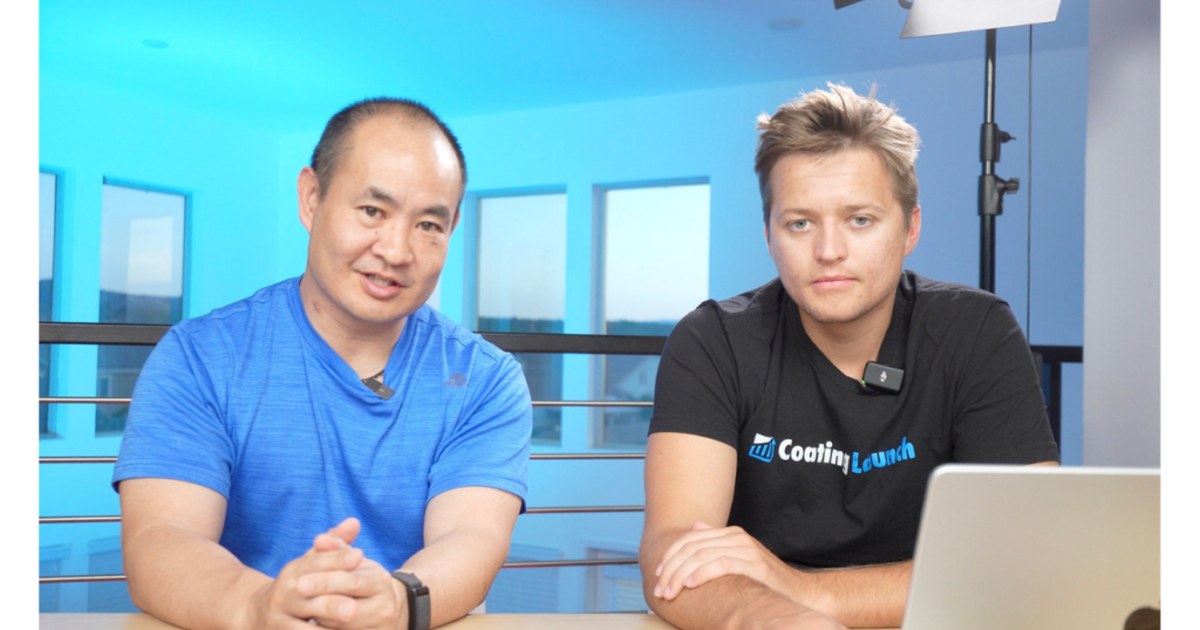
He published a book, runs marketing for 50+ concrete coating companies with a 95% client success rate, and took his agency from $50K in debt to $45K/month profit.
Brennan Agranoff
Founder of HoopSwagg
Six years ago, Brennan was making custom socks in his parents’ garage. He made his first million by age 16 and was featured on CNN.
Today he runs a seven-figure sock company with a production facility in Portland, plus a logistics company and a software company.
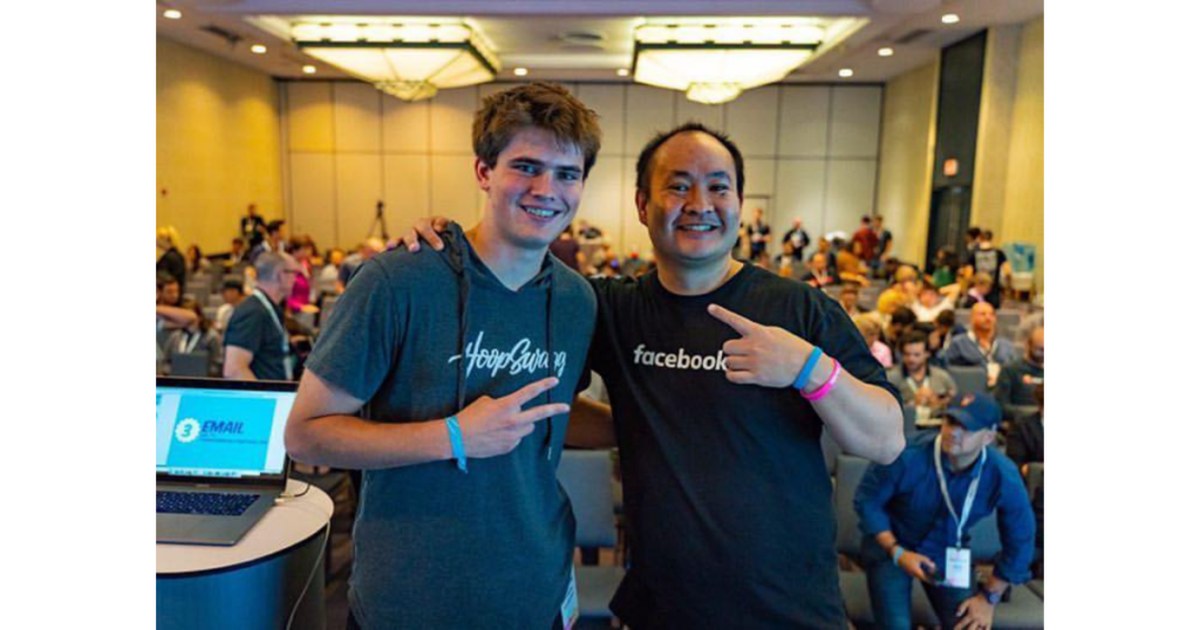
We put him on stages across the country where he taught the Content Factory process and the 9 Triangles framework.
George Paladichuk
CEO & Co-Founder of NaiL
George is still a college student. He built NaiL, an AI call center platform for home service companies, and took it from nothing to $70,000 a month, which is a million dollars of annual recurring revenue. He serves fence companies, roofing companies, and other home service businesses across 100+ locations. His AI call center recovered $400K in booked jobs in a single month for one fencing company alone.

When George joined, he expected a typical coaching program with a curriculum you log into and videos you watch. What surprised him was that on his very first weekly call, I sat down with him and said, “What’s your actual problem right now?” He told me. I told him his excuses were stupid and to go do it anyway. He did. That’s how he’s sitting here today.
Cam Hazzard
Pro Dunker · Founder of Vertly · AI Builder
Cam is a pro dunker selected by Shaq for the Dunkman League. He built a Claude agent that gathers positive mentions across YouTube, Facebook, LinkedIn, and Google without writing any code. His agent does in 15 minutes what takes a human 10 hours, and costs less than a dollar.
He built a full skill pack of agents that run on autopilot, scraping the internet weekly, updating websites, running ads, and building landing pages. At the AI Summit at DSDT College, a 34-year business owner said Cam inspired her to finally adopt AI.
Jack Allard
Founder, Roof Launch Marketing
Jack met me at Dunk Camp in Salt Lake City. After hearing Dylan and me speak, he knew he wanted to be part of what we were building.

Today he works with contractors, and most of them already know half of their marketing isn’t working. They just don’t know which half. Jack uses his AI agents to manage every account and help his clients grow their revenue.
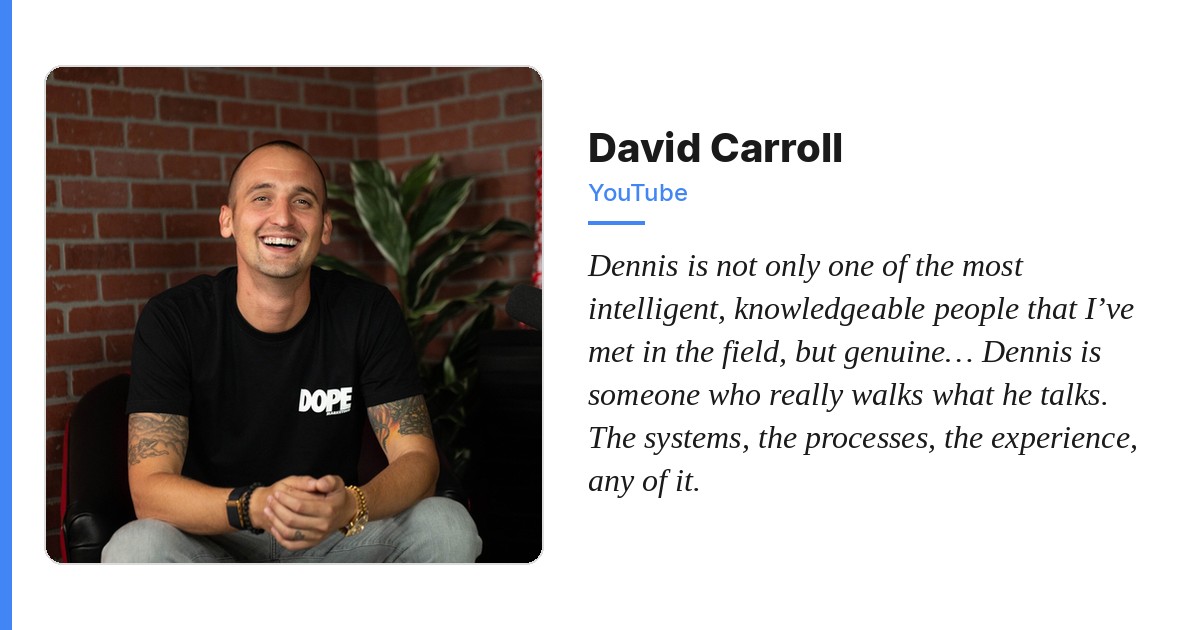
David Carroll
Founder & CEO of DOPE Marketing
I met David at a marketing convention in San Diego while David was growing from a cleaning-company operator into a data-driven marketer. David stayed coachable, built the systems, and turned that experience into DOPE Marketing.
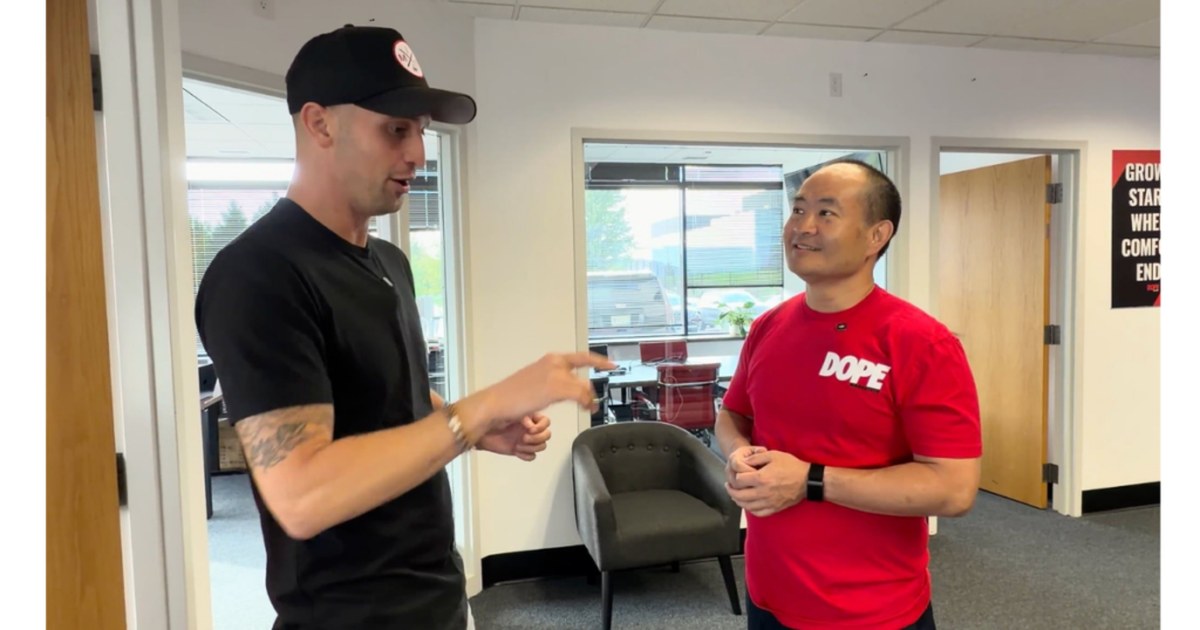
His first-person proof shows the program’s core loop: transfer knowledge, create opportunity, apply it to a real business, and repeat what works. “Dennis, over and over, just extended his time, his knowledge, created more opportunity for me than anyone that I’ve met.”
Caleb Guilliams
Founder of BetterWealth
Caleb founded BetterWealth, published The AND Asset, and has built a substantial podcast and speaking platform.
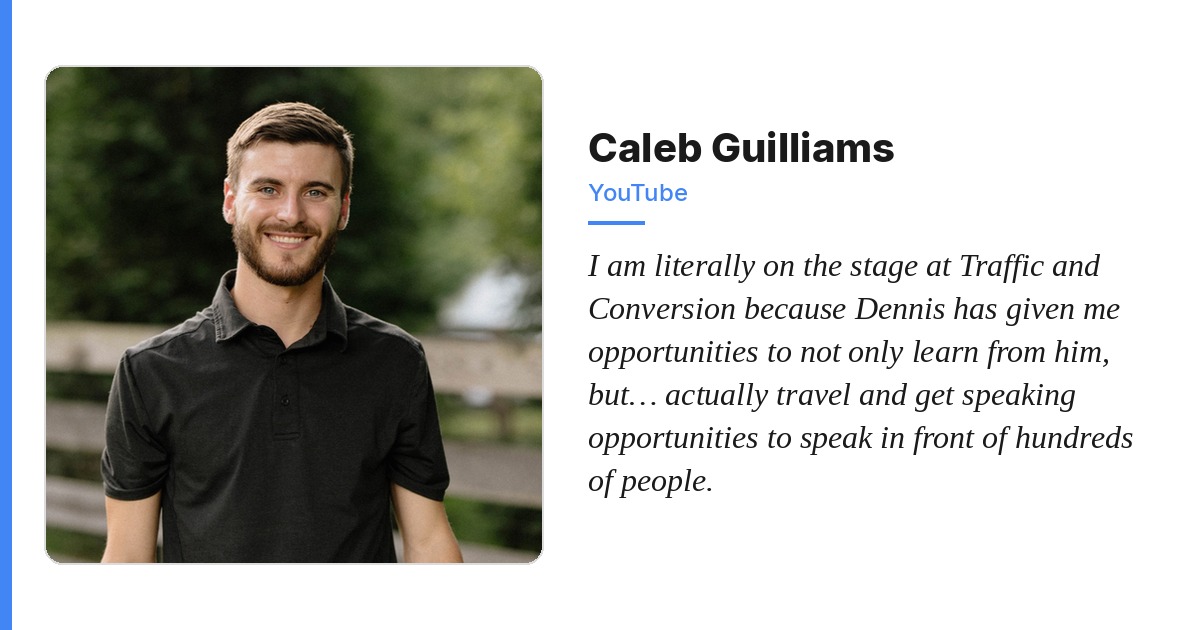
His first-person video below is especially valuable because it names the outcome: I helped him develop his message and opened doors to speak at Traffic & Conversion in front of hundreds of people.
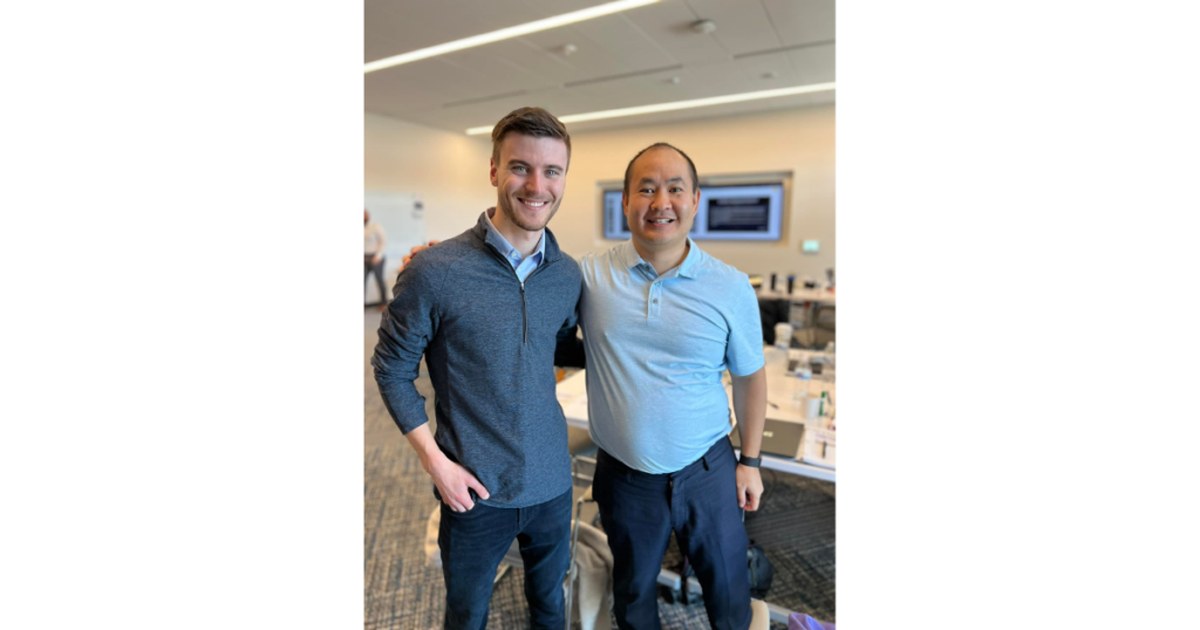
“Dennis has given me opportunities to… speak in front of hundreds of people.”
Ethan Van De Hey
Co-Founder & CEO of Roofing Launch
Ethan’s marketing agency added $30 million in revenue to a roofing company in a single year and helped grow Infinity Exteriors from $45 million to $65 million. He started as a college student doing digital marketing and now runs marketing for home service and legal businesses.
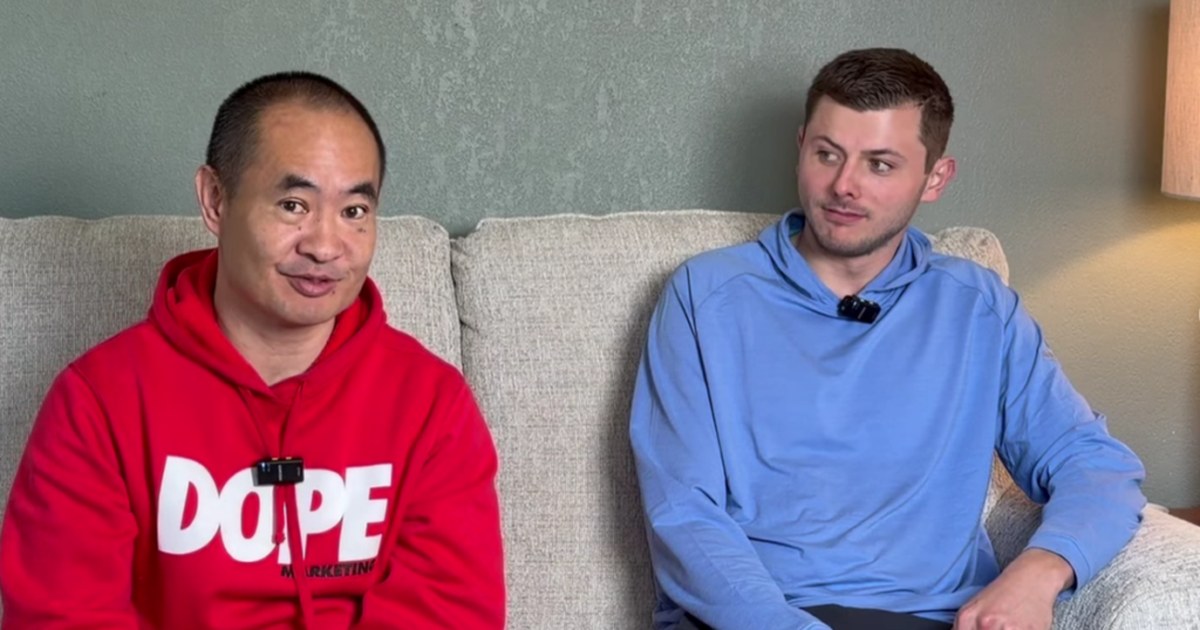
We call him the Mr. Beast of roofing. He’s 26 years old and proof that a young adult with the right system can outperform agencies ten times their size.
Why Young Adults Are the Future of AI in Business
Over the last few years, my team and I have taught AI to a lot of young adults who now use AI tools for clients, for their parents’ businesses, and more. Along the way I’ve seen what works, what doesn’t, and what goes badly wrong.

If you want to become an AI builder or bring AI into your company, but you don’t know where to start, who to trust, or how to keep up with how fast things change, the AI Builder Program is for you.
The generational advantage
I recently spoke at a conference with Dylan Haugen, one of the sharpest AI builders I know. He’s 18, so just about everyone in the room was older than him. We walked through what we think of as everyday work: using Claude and AI agents to repurpose content, run marketing, and automate routine tasks. Afterward, people kept coming up to us saying the same thing: “I don’t know what to do. I’m not sure where to start.”
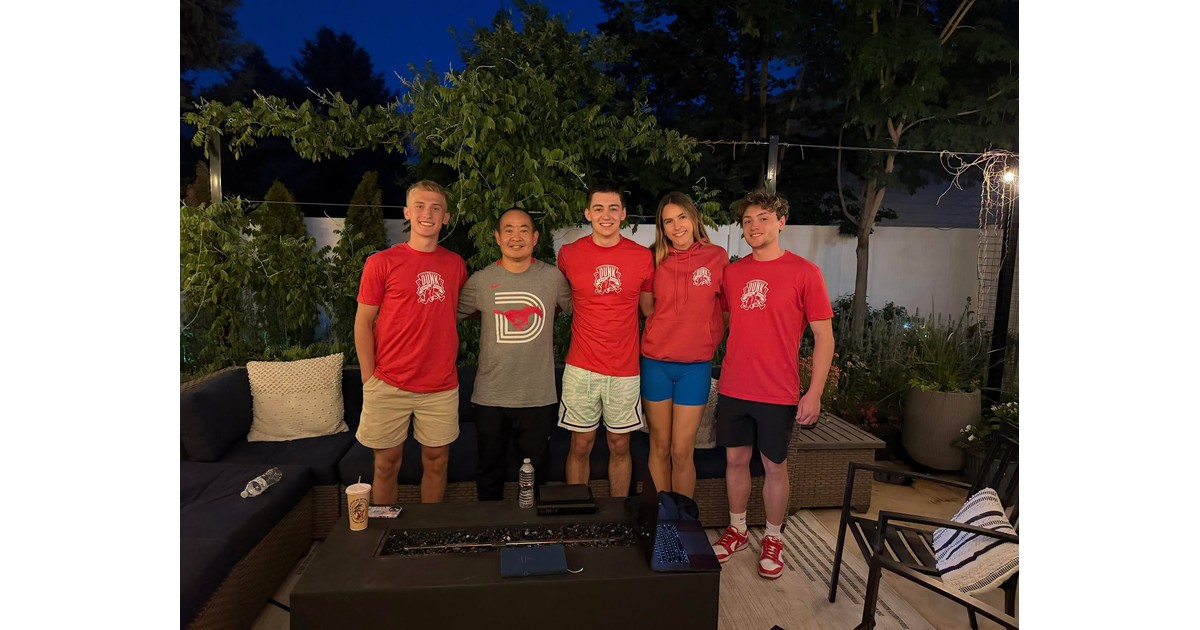
What I keep seeing is that the younger generation usually picks this up faster. As Dylan puts it, they grew up with a phone in their pocket and live on social media. That’s not always a good thing, but here it turns into an advantage. Many of them already use AI in some form, so learning to apply it to a business is a short step.
One attendee told us about an intern who joined a company with more than 5,000 employees. The intern got so much done, so quickly, that people at the top noticed. I see the same thing in small local service businesses. Young builders come in, take the tasks the business does by hand, turn them into AI skill files, and automate them.
From the family business to a full agency
Many of our builders start with one client, often a parent’s business. From there they grow it into an agency with five, six, or more clients and earn a full-time income. The skills involved aren’t hard to learn.
Ethan Murphy of Louisville, Kentucky started with his dad, a landscaper who also installs Christmas lights in the off-season. Ethan learned to use AI to run Facebook ads, optimize Google My Business, and manage Local Services Ads, working faster and better than doing it by hand. Within six months he was doing this for seven clients.
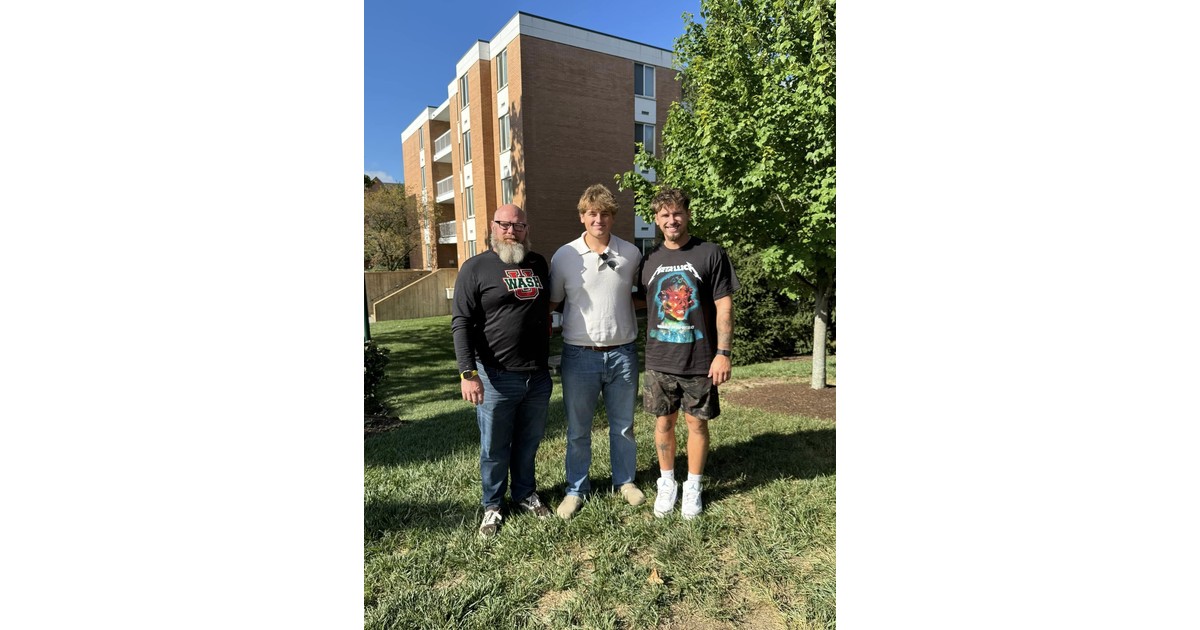
Ethan also wrote down everything he did. That let his AI agents learn from his work, let him repeat what worked, and gave me a clear record to review when coaching him.
George Paladichuk was already very sharp, but I noticed a few gaps that were holding his business back. Once he closed them, he grew to about 70 clients paying around $1,000 a month each. He then turned his agency into a software (SaaS) company. That’s the path I like to see, and we now own equity in his company and several others.
Marko Sipilä is on his third company with us. We helped him sell the first one. His second, CoatingLaunch, brings in a couple million dollars a year. His current SaaS company is arguably worth $10–12 million. Marko works all the time. A couple of days ago I texted him at 2 a.m. from Hong Kong about how private equity valuations affect his company and why I think ServiceTitan could be the one to acquire it. Their head of acquisitions had called me the week before asking to meet, so I’m making that introduction. That pace isn’t for everyone, though. If your goal is a comfortable life making $10,000 a month, that’s a great outcome too.
Why coaching still matters in the age of AI
You could just talk to ChatGPT or Claude all day. But you can also learn bicep curls from YouTube, and people still hire coaches. A coach who reviews your work can show you the things you don’t know you’re missing, and that’s where growth comes from.
Every builder in our program sends a weekly report we call metrics, analysis, action:
- Metrics: What are you working on, and what are the results?
- Analysis: What are you learning from those results?
- Action: What will you do next?
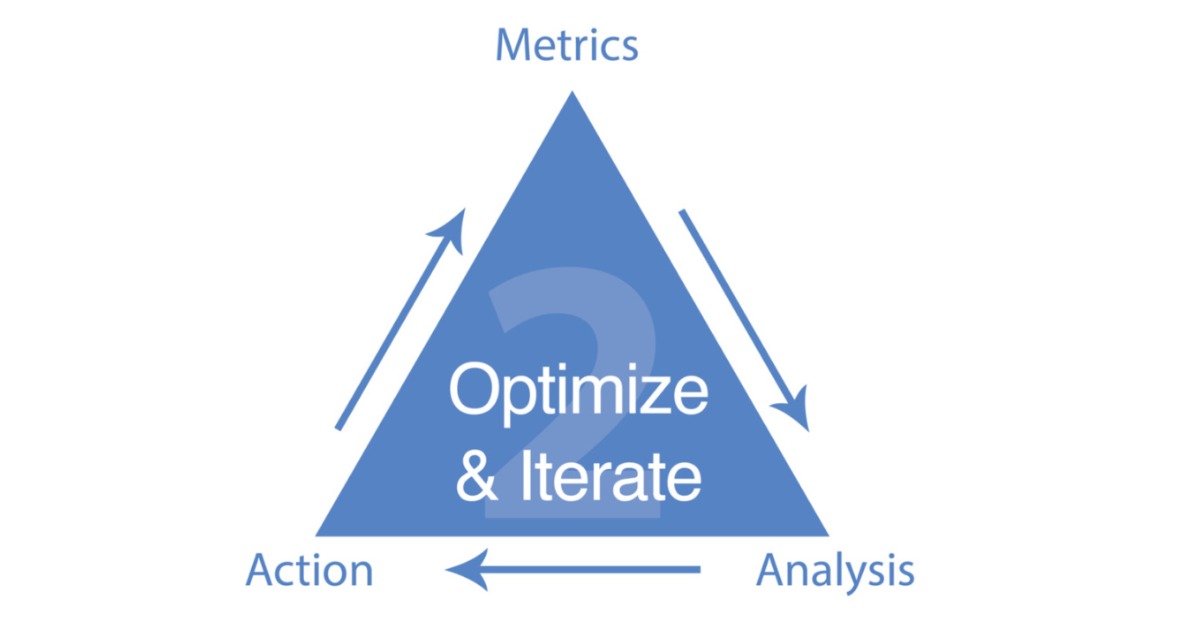
These reports let me find bottlenecks and give useful feedback without playing 20 questions.
Most of this work is figure-it-out-once. You do the hard thinking up front, and after that the system largely runs itself.
Who this is for, and who it isn’t
I won’t take your money just to take it. I want people to succeed. We’ve made mistakes by admitting people who turned out not to be motivated, and communication fell apart. The people who fully commit usually earn back the cost within a few weeks.
The program costs $7,500, one time. Some people call that expensive and some call it cheap. To me, it’s a small hurdle that shows whether you’re serious.
What we look for:
- Self-driven, self-motivated problem solvers.
- People who can describe their problems clearly in words, especially to an AI.
- Consistent communication and documentation.
- People who are comfortable with ambiguity and risk.
What we avoid:
- People who wait to be chased down.
- People who don’t communicate or document their work.
- Anyone who expects this to be a two-hour-a-day escape from a boss they hate.
I also only back bets with very strong odds. I don’t compete without an unfair advantage, and I won’t work with you unless you have one too. Would you board a plane with a 70% chance of not crashing? Business isn’t life or death, but this program isn’t meant to convince anyone to become an entrepreneur. It’s for people who already want to be one.
The simplest test: a one-minute video
You won’t face a 400-question test. The best predictor of success I’ve found is whether you can record a one-minute video about anything: a round of golf, a podcast you watched, an idea you had.
It isn’t about vanity or chasing followers. It shows that:
- You’ll do something simple with no excuses.
- You’ll put yourself in an uncomfortable spot.
- You can communicate clearly and think things through.
That matters because more and more of your “employees” are AI agents. Watch Dylan and me work and you’ll see us talking to Claude, ChatGPT, or Grok and giving instructions as if to another person. We work in plain English, not Python. If you can’t give clear directions, or you won’t interview clients and hold a thoughtful conversation, this program isn’t for you.
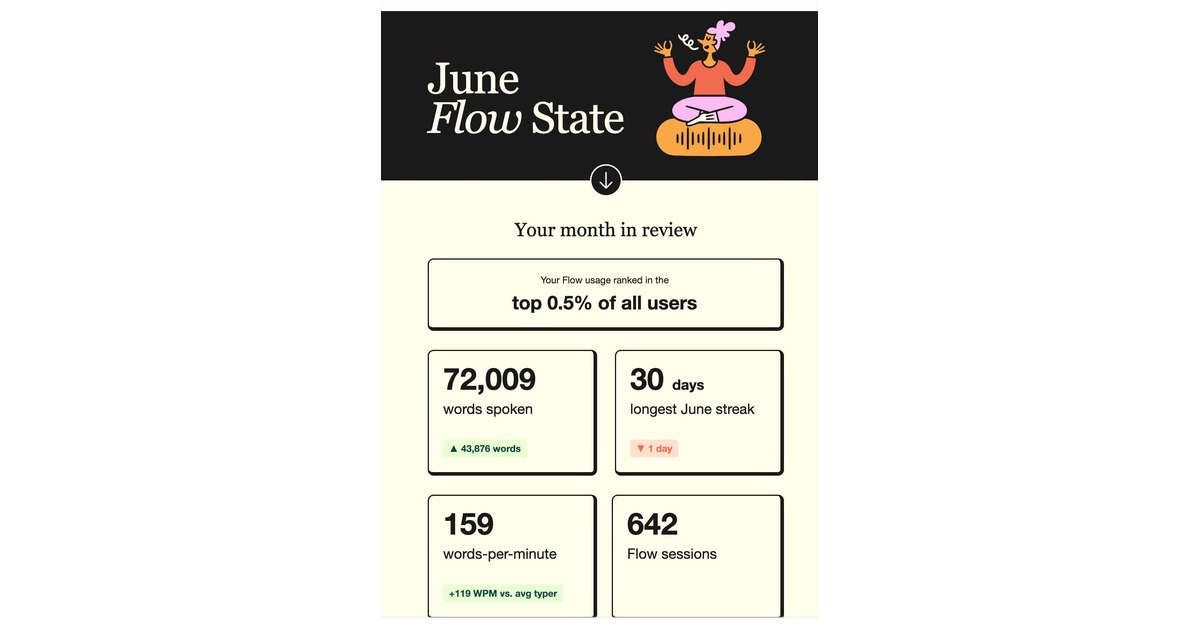
You don’t need to be outgoing, charismatic, or a native English speaker. English wasn’t my first language. I’m an introvert who used to be terrified of public speaking, and I never wanted to be on a podcast. I learned how to do this, which means you can too.
The opportunity
Most local service business owners are over 50 and don’t want to learn AI. I’ve tried to get them to do it. Often it’s not that they don’t want to; they’re afraid to try. They want a young adult to handle it. As far as I can tell, that’s where business is heading: young adults working as AI builders.
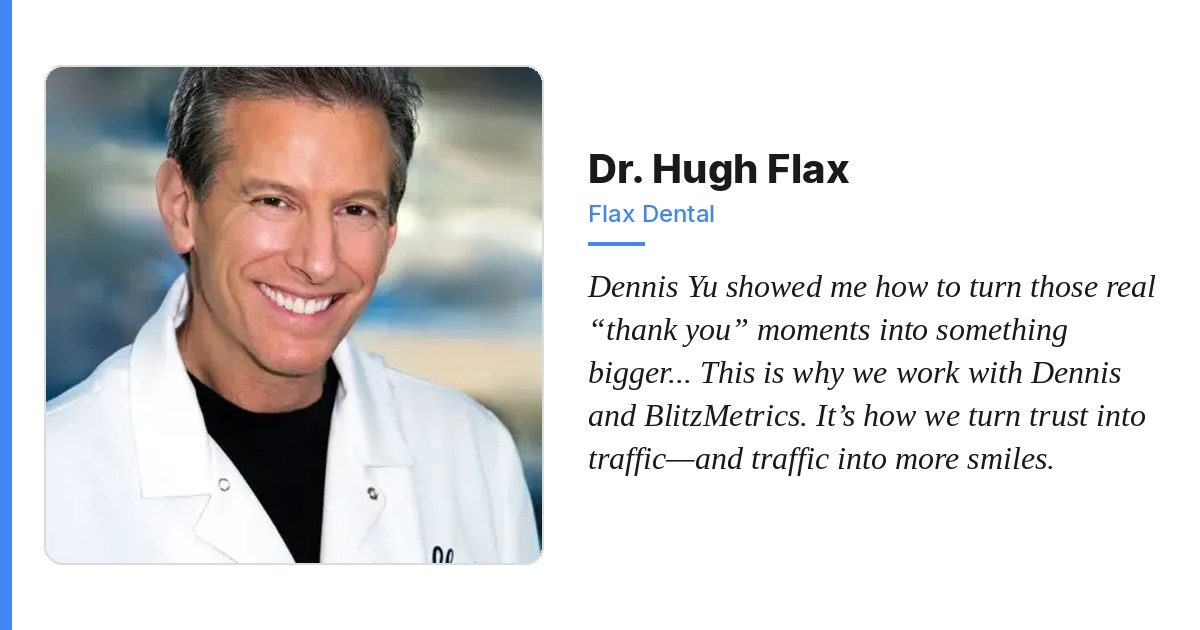
If you’re a business owner: be honest about whether you’ll actually do this yourself. If you will, start today. Talking to Claude isn’t hard. If you won’t, think about the young person in your life or business who already makes videos, is active on social media, or talks to ChatGPT on walks. Talk to them about it.
We work in HVAC, roofing, landscaping, and other verticals, and we have more work than people to do it. If it works out, this can become a full career: building agencies, growing them, selling them, with our coaching and connections along the way.
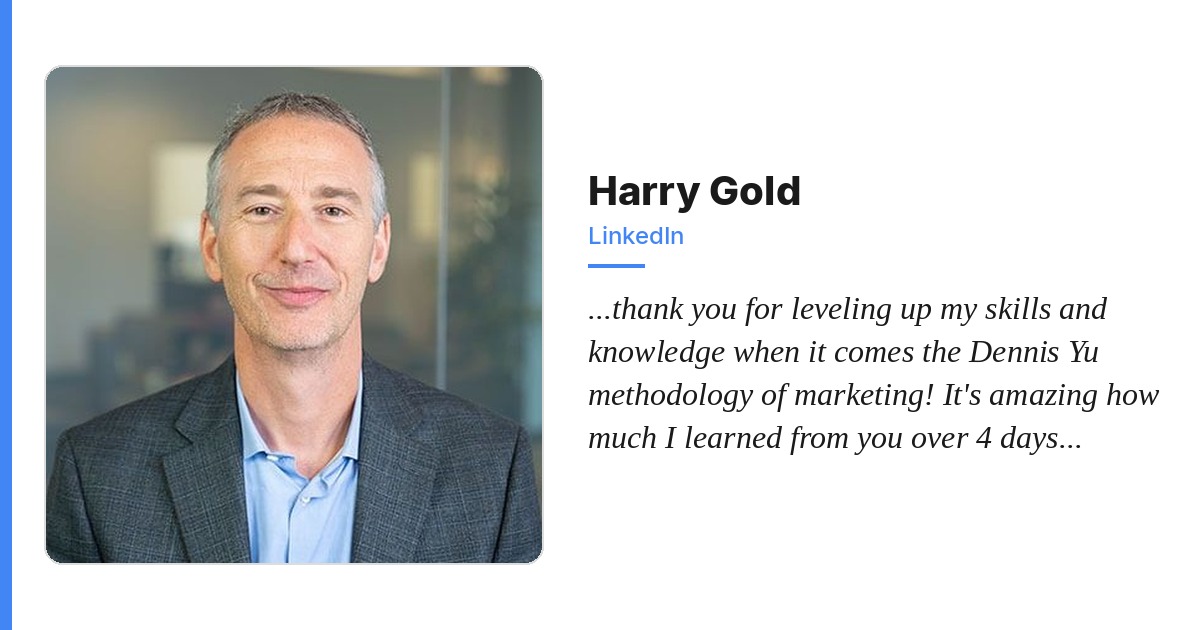
How to apply
- Watch our other videos and learn about the builders who’ve succeeded. Check whether their character and situation match yours. You can contact any of them directly.
- Don’t ask how long the program takes or whether you’re just paying for courses. Our courses are free. You’re paying for results and the human coaching needed to get them.
- If you’re serious, record a one-minute video and send it to operations@localservicespotlight.com. We’ll review it and get back to you.
If you’re not sure whether you want to be an AI builder, or you just want to try AI tools as a hobby, then this isn’t for you. If you’re serious, I want to work with you.