Authenticity in Action: How Connor Snyder Turns Video Into Real Social Media Results

Social media is a food market.

People walk past stall after stall without stopping. Not because the ingredients are bad but because nothing’s been prepared well enough to earn attention.

Your knowledge, experience, and ideas are the raw ingredients. The difference between being ignored and being remembered is how intentionally you package them.
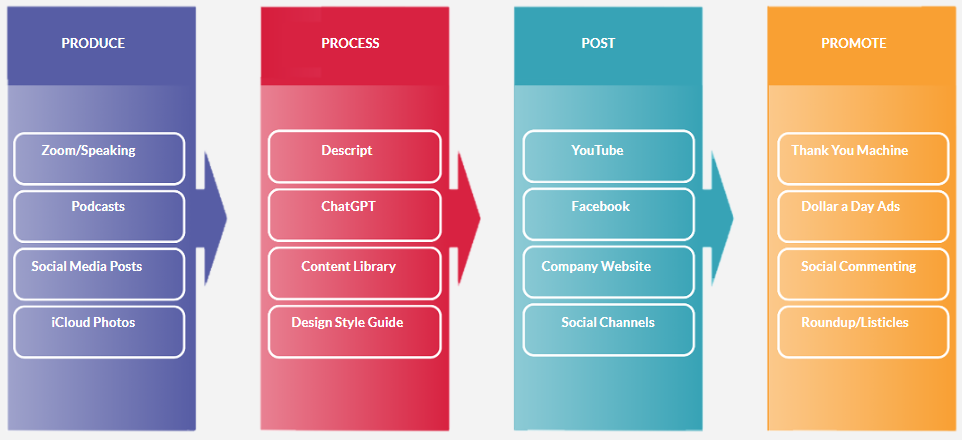
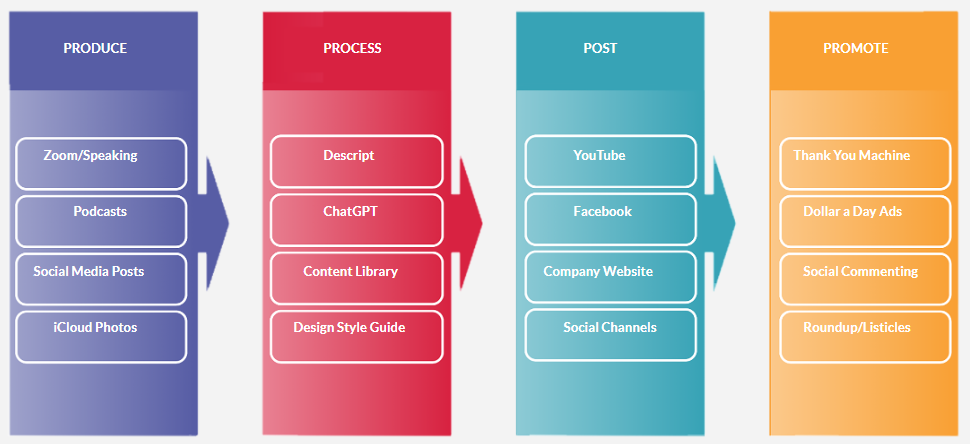
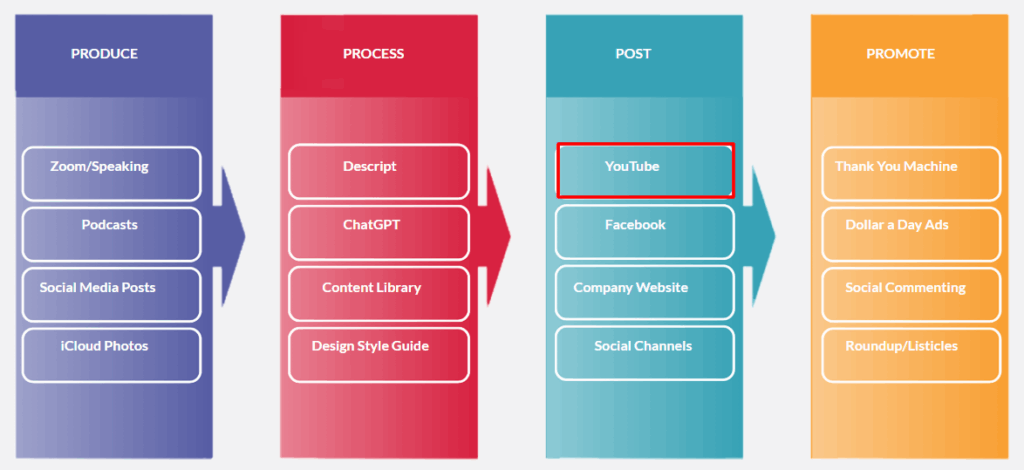
The Content Factory Process

This article breaks down how to become a better “content chef”, using the same video-first, multi-platform approach we teach and use at Storyy every day.

The Currency of Attention Is Finite

Attention is the only real currency online.

People don’t “owe” you views. They pay attention when the content is meaningful, relevant, and respectful of their time.
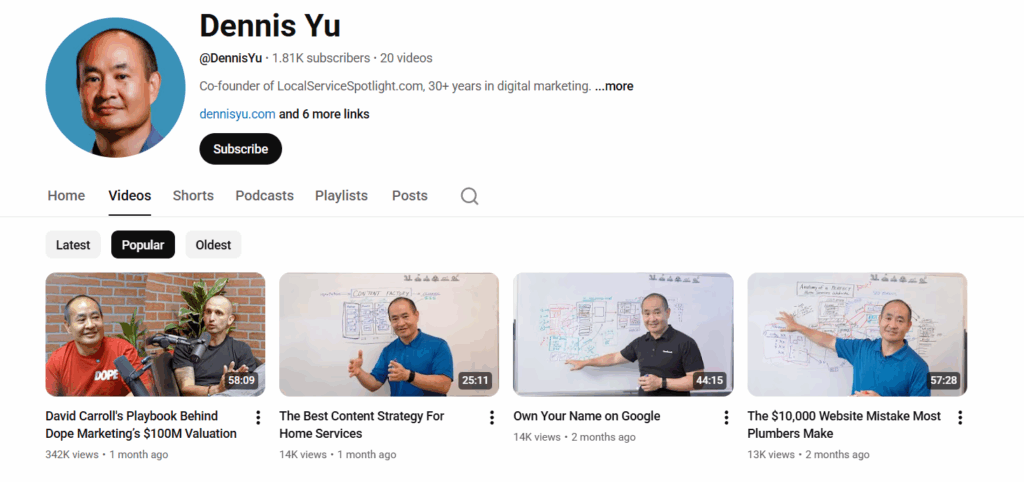
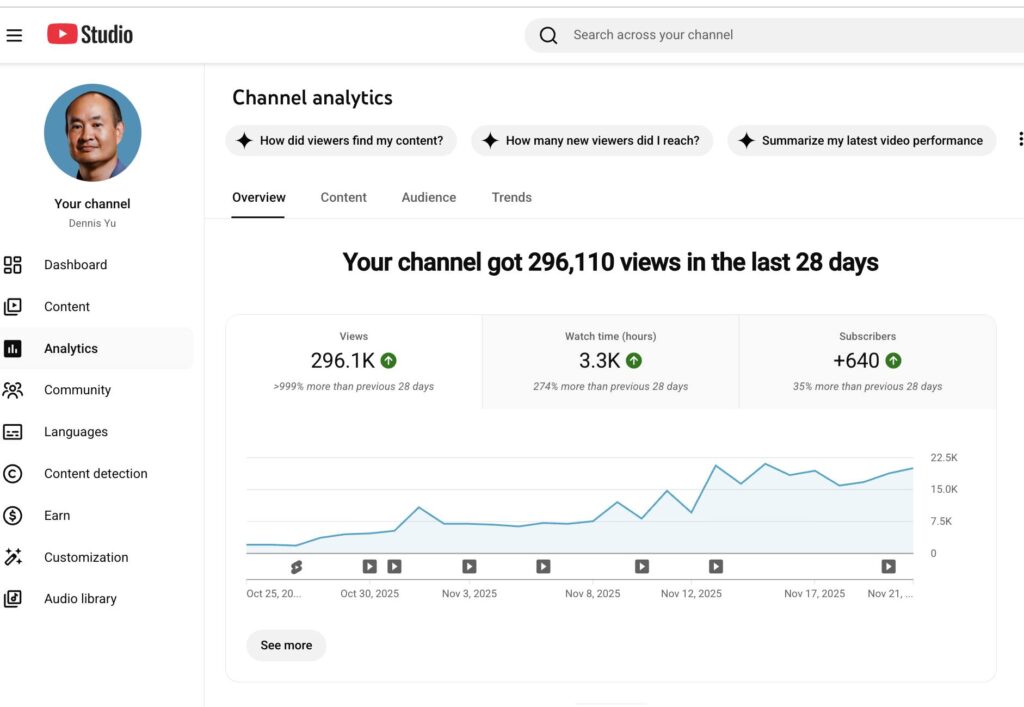
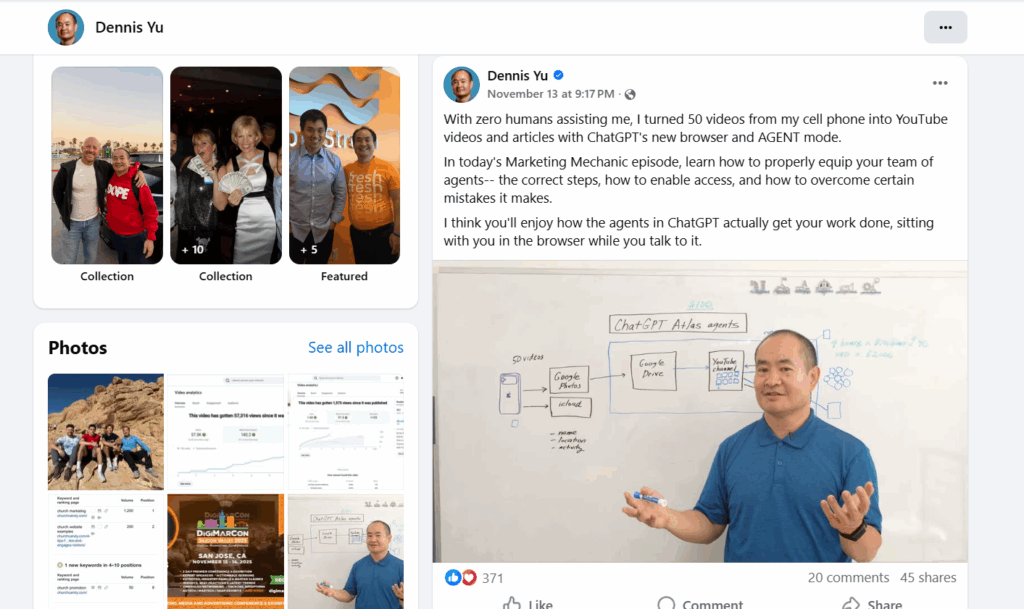
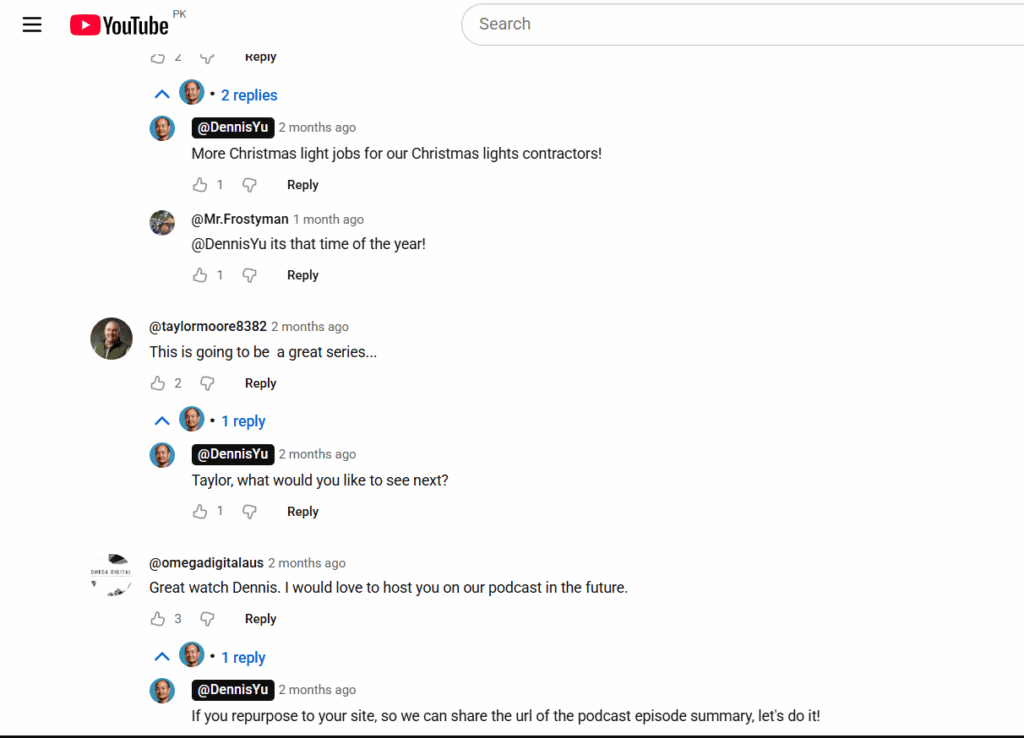
People engaging on Dennis Yu‘s YouTube channel as the content is relevant

A Real Example: Winning an Election With Content

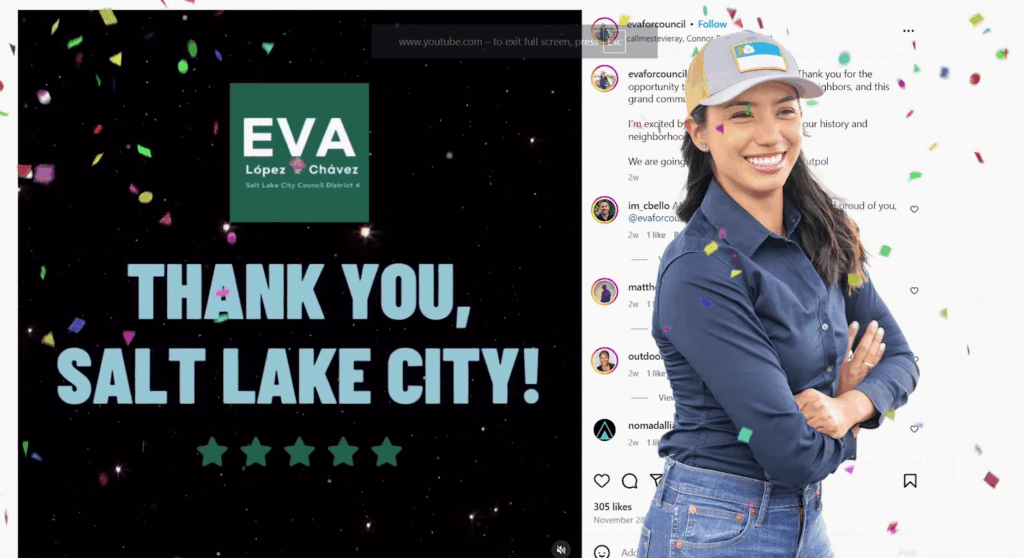
We worked with Eva Lopez, who ran for City Council in Salt Lake City against an incumbent. She didn’t rely on generic political ads or tired campaign tactics.

Instead, she:

  • Created short-form videos about issues voters actually cared about.
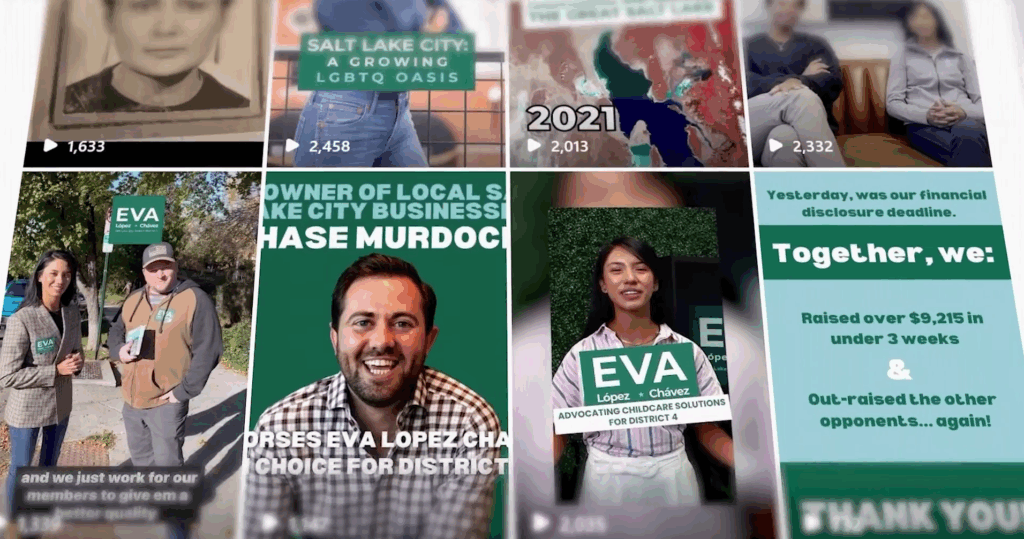
  • Spoke directly to community concerns.
  • Promoted those videos to the exact people who would be voting,

She beat the incumbent by six points.

Not because she looked polished but because she was useful.
That lesson applies to local businesses, founders, consultants, and operators just as much as it does to politicians.

Social Media Is Not an Ego Contest

One of the most common objections I hear from business owners is:

“I don’t want to seem full of myself.”

Good. You shouldn’t be.

Social media is about helping. If your content feels self-centered, it probably is. The fix isn’t to stop posting; it’s to shift the focus outward.

A great litmus test:

  • Are you trying to look impressive?
  • Or are you trying to make the audience smarter?

Even Big Brands Learn This the Hard Way

We saw this firsthand working with Cardone Ventures.

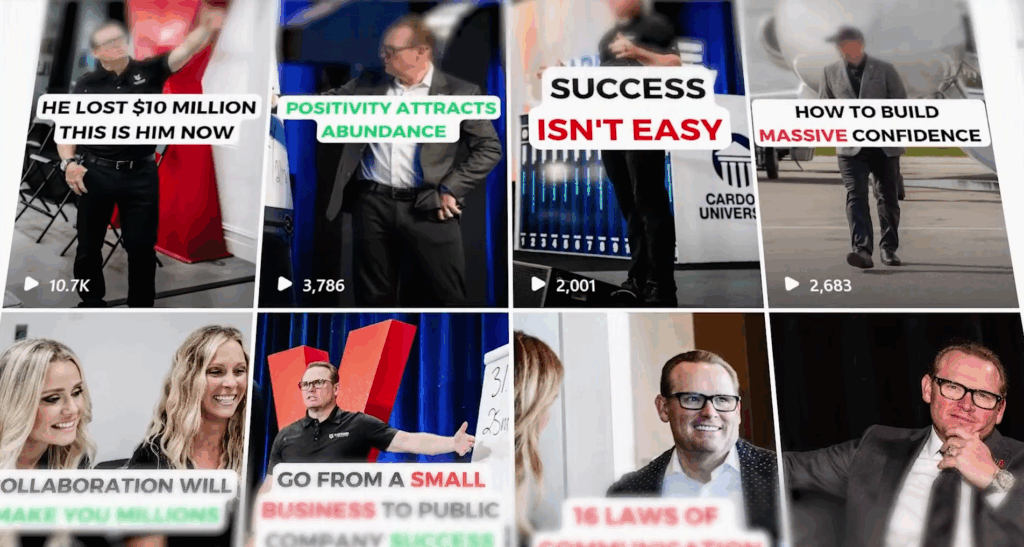
Early content leaned heavily into jets, cars, and wealth imagery. Eventually, engagement dropped.

When we pivoted toward educational, practical content (things people could actually use) growth returned.
Substance beats posturing. Every time.

What Facebook Actually Rewards

I had a direct conversation with Facebook’s team about what gets content recommended.

Two things matter most:

1. Consistency

2. Quality
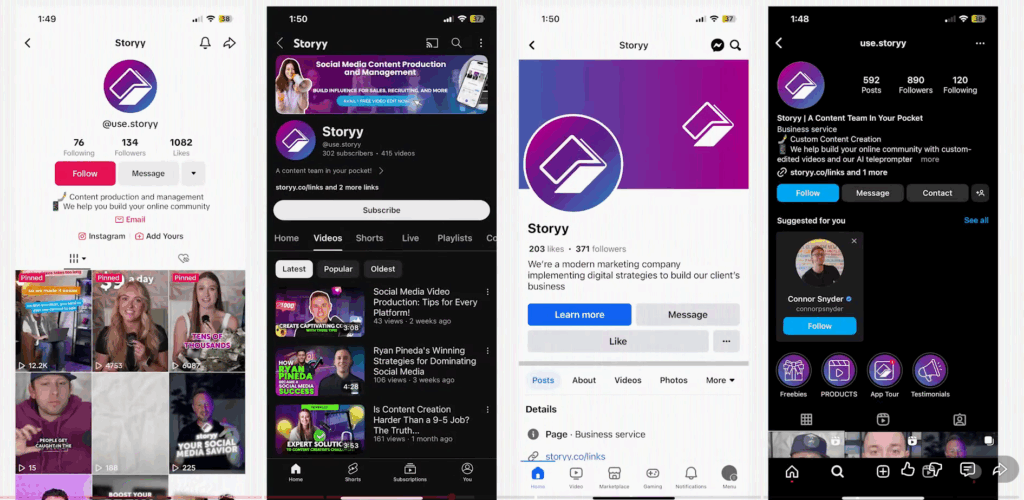
Consistency is how the algorithm is trained.

If you disappear for months and pop back up randomly, both people and platforms forget you exist.

We applied this exact approach with Sylvie di Giusto, a speaker and author. Within one month, her engagement increased by 1,128%. Later that year, she was invited to keynote the National Speakers Association conference.

That’s not luck. That’s systems.

Why a One-Platform Strategy Is a Risky Bet

Building your audience on one platform is like renting a storefront you don’t own.

Algorithms change. Reach disappears. Creators panic.

A multi-channel strategy reduces risk, and the smartest way to do that is to start with video.
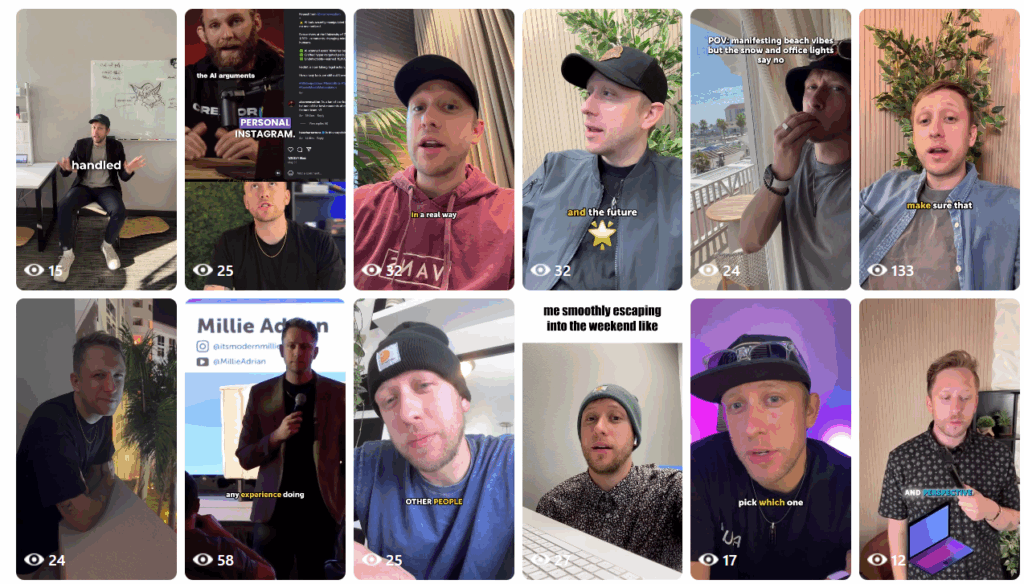
Why video?

  • It captures authenticity better than any other format.
  • It can be repurposed into clips, blogs, podcasts, emails, and posts.
  • Every major platform is prioritizing video consumption.

Case in Point: Millie Adrian

Millie built her audience almost entirely on Instagram.

When the algorithm shifted, burnout followed.
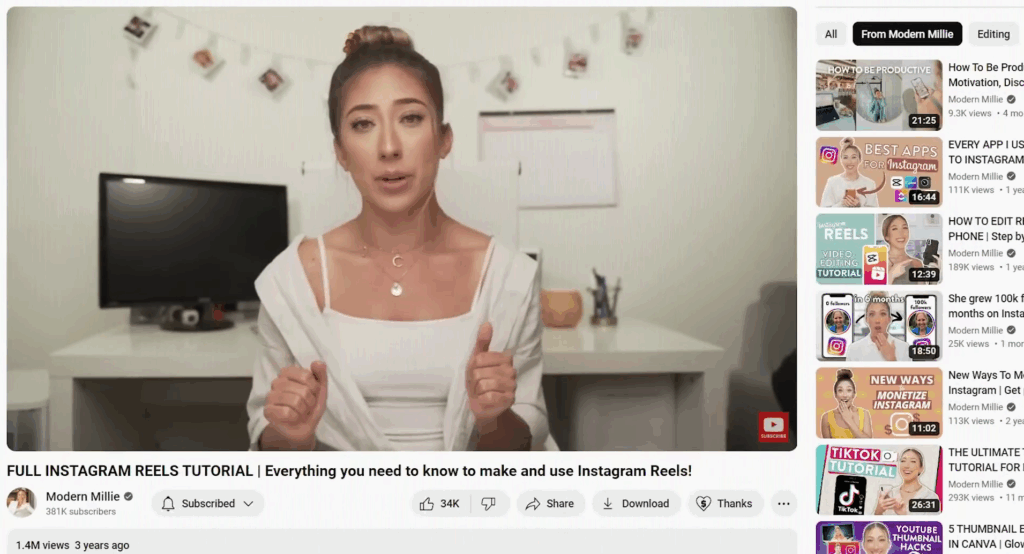
We helped her expand into YouTube using long-form video as the foundation.
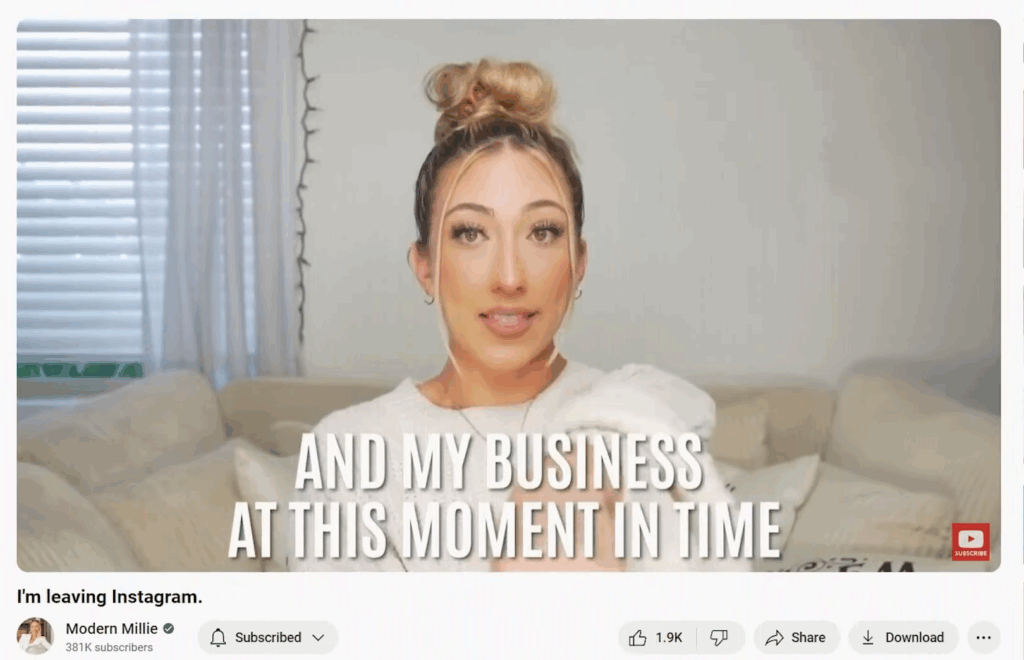
Over the past year, she added 100,000 subscribers and built a reusable library of content she now monetizes across platforms.
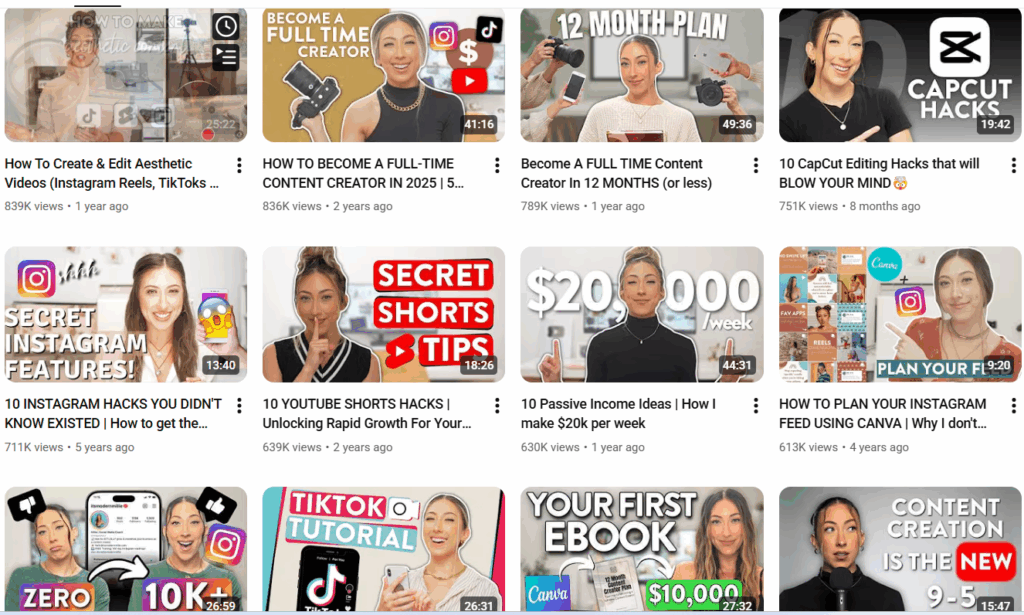
More reach. Less stress.

Virality Is a Mirage

Remember the cinnamon challenge?

Millions of views. Zero lasting value.

Virality feels good, but it doesn’t build relationships, and it rarely pays the bills.

I’ve worked with clients who get 300–400 views per video and still close deals consistently because the right people are watching.

One client told me:

“I’ve already closed enough business to pay for years of your service.”

That’s the goal.

One hundred views from the right audience beats 100,000 views from strangers who will never buy.

No One Sounds Like You and That’s the Point

Authenticity is an overused word, but here’s what it actually means in content:

  • You sound like yourself.
  • You don’t perform for the camera.
  • You don’t fake expertise you don’t have.

Video is a truth-telling medium. It reveals tone, confidence, clarity, and intent. You can’t outsource that entirely and you shouldn’t.
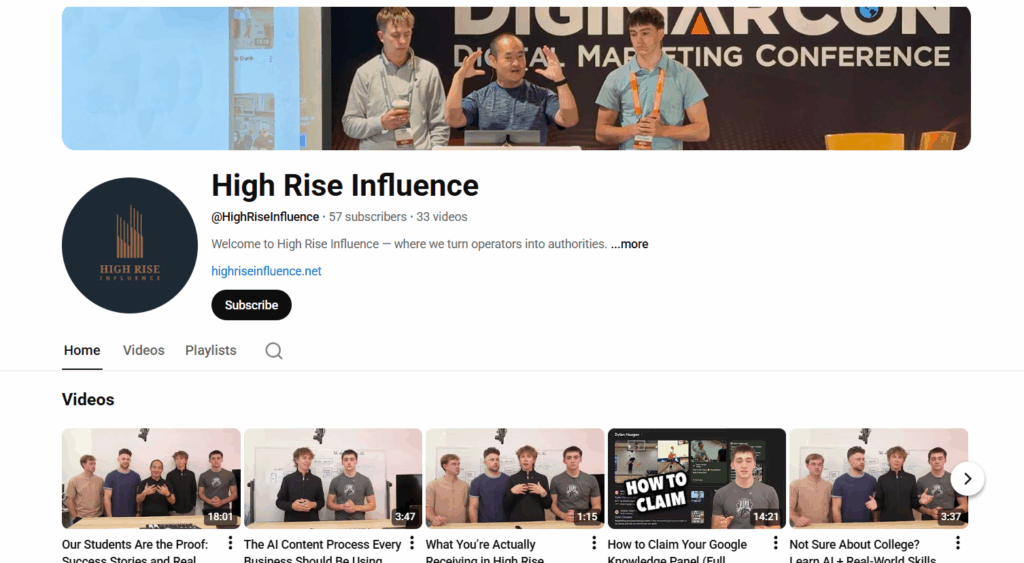
Students of the AI Apprentice Program recording content

You can delegate editing, publishing, and strategy. But there needs to be a face of expertise. People trust people, not logos.

Give Attention to Get Attention

Social media is networking at scale.

If you never engage, comment, respond, or acknowledge others, growth becomes an uphill battle. You don’t need to interact with everyone but you do need to be present.

Engagement teaches you:

  • What your audience cares about.
  • What questions they’re asking.
  • What content actually resonates.

Attention given comes back amplified.

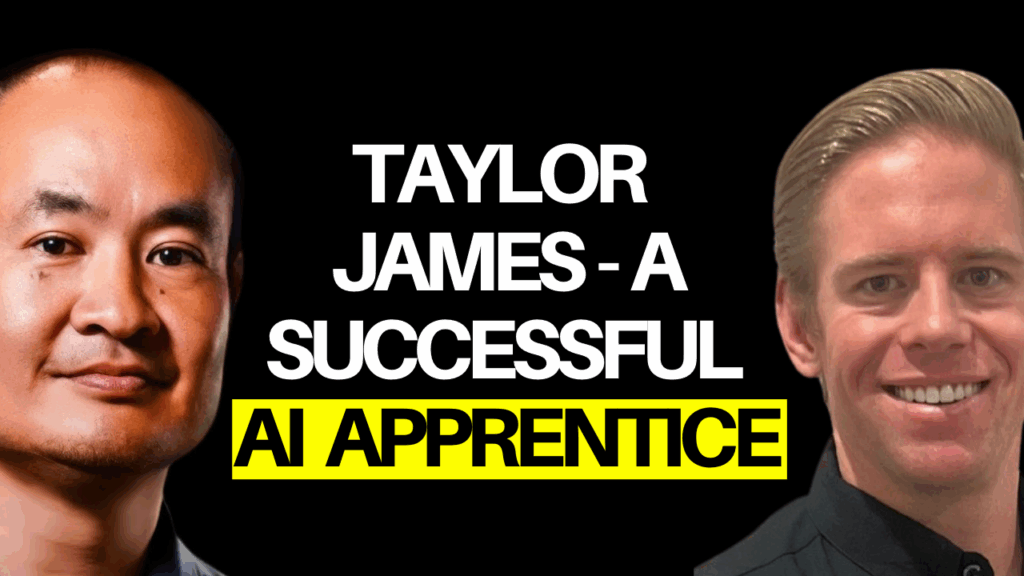
Taylor James: The AI Apprentice Who Took Charge and Stopped Getting Played by “SEO Experts”

There’s a moment in every entrepreneur’s life when the lightbulb flips on, and they realize, “Hold up, I’m paying for what, exactly?”
For Taylor James, owner of Dumpster Dogs in Austin, that moment hit like a 30-yard roll-off container landing on a driveway at 7 a.m.

For six months, Taylor had been dropping $750 a month on “SEO services” from the software company powering his website and CRM. They told him the same thing every shady agency tells every small business owner:

“Just give us six months. You’ll rank.”

Fast-forward six months:
Zero ranking. Zero results. Zero transparency.
But plenty of excuses.

Taylor didn’t get angry.
Taylor got educated.

And that, right there, is exactly what defines a successful AI Apprentice.

The Turning Point: When Data Replaces Hope

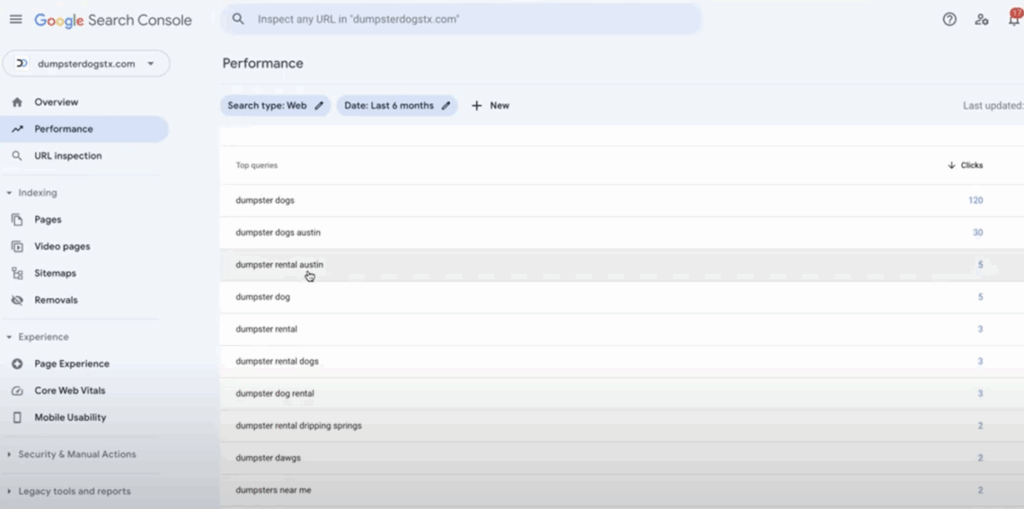
When Taylor hopped on a call and opened his actual analytics, the truth came out immediately:

  • All his organic traffic was coming from people searching his own brand name; meaning HE created the demand, not the SEO agency.
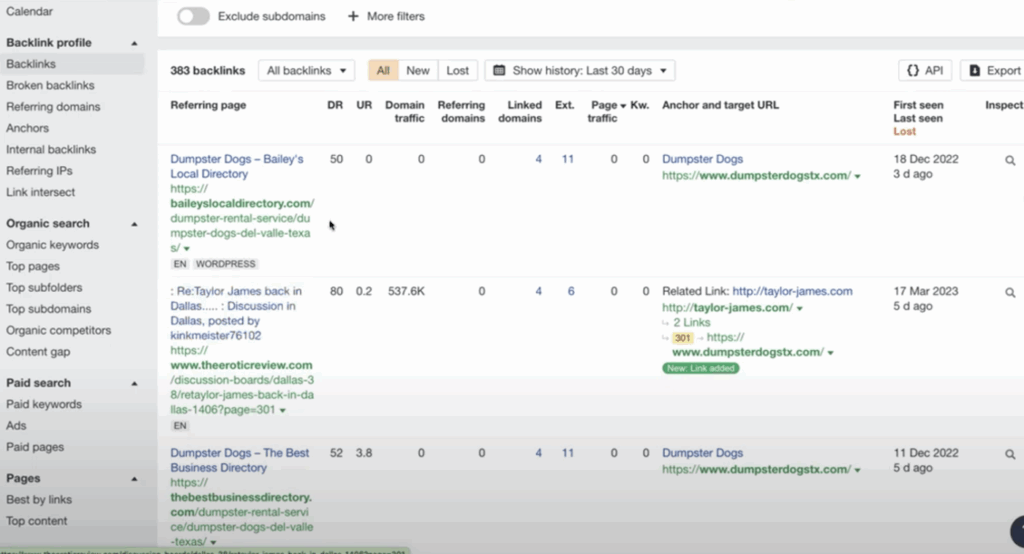
  • His backlink profile was stuffed with garbage: adult sites, spammy directories, fake citation networks, and Fiverr-level nonsense that Google ignores (or penalizes).
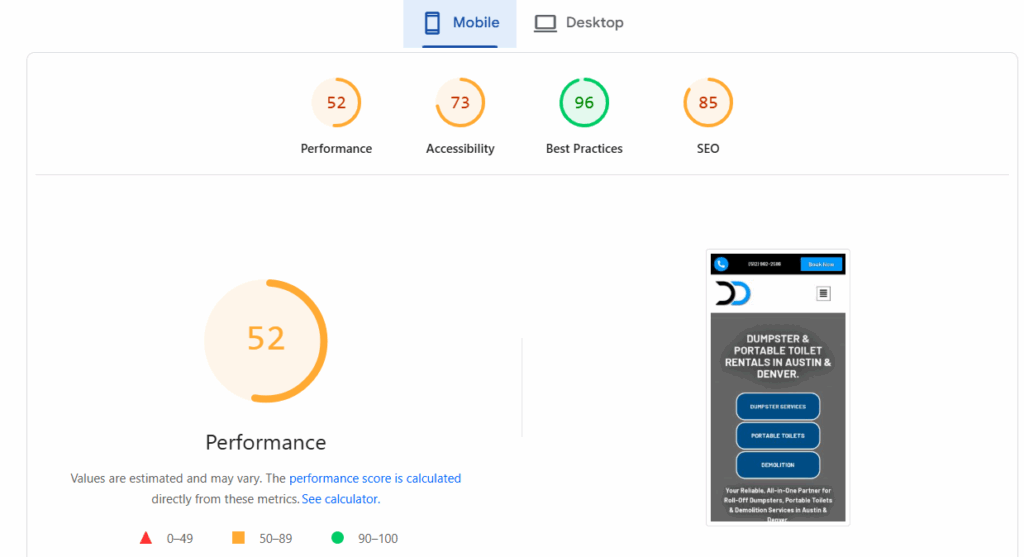
  • His website was slow on mobile (a 52 score, yikes).
  • His site structure was thin, duplicated, and clearly auto-generated.
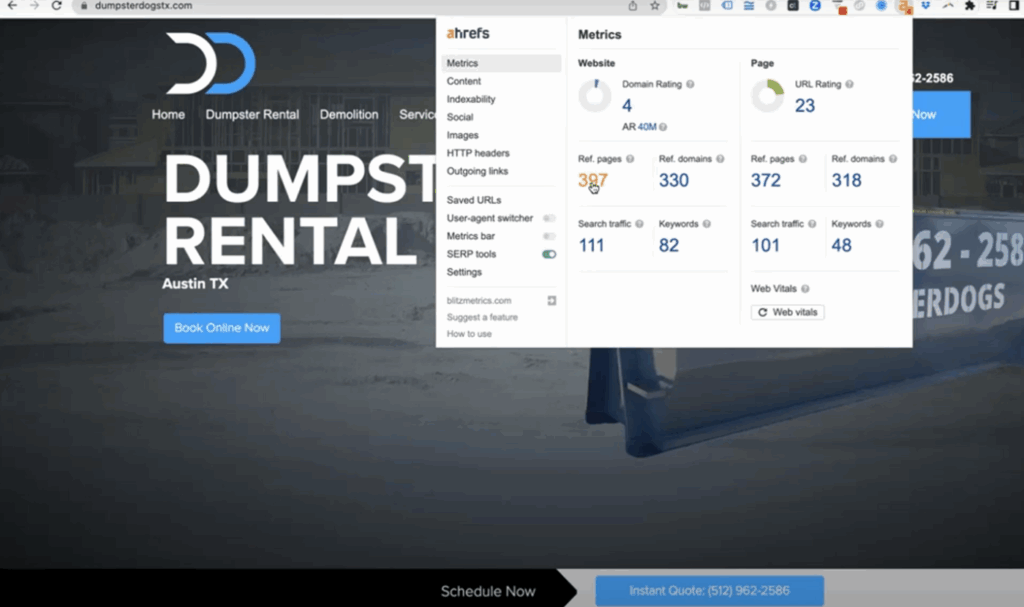
  • And his domain rating was 4.
    That’s “garage sale” level SEO juice.

Taylor realized quickly:
He wasn’t lazy.
He wasn’t stupid.
He was simply uninformed and 99% of business owners would’ve fallen for the same pitch.

But here’s where Taylor separates himself from the pack.

He didn’t shrug it off.
He didn’t keep paying for false hope.
He didn’t kick the can down the road.

He stepped fully into the AI Apprentice mindset:

Learn the system. Leverage the tools. Take control.

What Makes Taylor a Successful AI Apprentice

Most people dabble with AI.
Taylor embraced it.

1. He Looked at the True Data

AI Apprentices don’t rely on vendor dashboards designed to make things look good.
They go straight into:

  • Google Analytics.
  • Google Search Console.
  • PageSpeed Insights.
  • Real backlink audits.

Taylor learned exactly what mattered and what didn’t. And he saw the scam clearly when the numbers didn’t lie.

2. He Learned How SEO Actually Works

He simply needed the truth:

  • 90% of SEO is backlinks.
  • Backlinks come from relationships, not robots.
  • Every ranking page is built on trust, not templates.
  • Google wants helpful content, not keyword-stuffed spam.
  • One-minute videos answering real questions beat a thousand auto-generated pages.

Once Taylor saw the blueprint, he understood exactly why he wasn’t ranking and exactly how to fix it.

3. He Learned How to Use AI the Right Way

Most people treat AI like a vending machine.
Taylor treats it like an assistant.

He learned to combine:

  • His iPhone videos.
  • His real-world experience.
  • AI-written structure.
  • AI-polished blog posts.
  • YouTube-first distribution.

Suddenly, content creation wasn’t a chore; it was became part of the Content Factory system.

And AI wasn’t replacing him.
It was amplifying him.

4. He Took Action

When Taylor realized the agency did nothing, he didn’t mope.
He didn’t blame.
He got solutions in motion:

  • Requested a refund.
  • Gathered proof.
  • Rebuilt his strategy.
  • Started recording.
  • Planned his Youtube and blog stacking
  • Understood his local Austin ecosystem.
  • Built real connections with real businesses.

An AI Apprentice doesn’t wait for miracles.
They build momentum.

Taylor did exactly that.

The Part Most Business Owners Miss

SEO isn’t magic.
AI isn’t magic.
Marketing isn’t magic.

It’s relationships + relevance + proof.

Taylor now understands this deeply:

You can’t outsource what you don’t understand.
You can’t rank where you don’t exist.
You can’t win without being present.

The moment he took ownership of his content and used AI as a superpower instead of a shortcut, he went from “victim of a bad SEO contract” to a rising authority in his market.

That’s what an AI Apprentice is.

Why Taylor’s Story Matters

Taylor is now doing what actually moves the needle:

  • One-minute educational videos.
  • Local content with real Austin partners.
  • YouTube-first posting.
  • Blog posts that answer actual questions.
  • Improved site structure.
  • Faster mobile performance.
  • Real backlinks from real relationships.
  • Authentic stories.
  • Consistency.
  • Ownership.

And here’s the punchline:

It costs way less than paying a sketchy SEO company.

Taylor is building an asset that compounds for years.

Taylor James: Proof That Any Small Business Owner Can Win With AI

No fancy degree required.
No coding.
No technical background.

Just a willingness to:

  • Learn.
  • Try.
  • Ask questions.
  • Use tools.
  • Take action.
  • Tell stories.
  • Build relationships.
  • Stay consistent.

That’s what makes Taylor a successful AI Apprentice.

He represents the new era of business owners: the ones who don’t get bullied by agencies, don’t get tricked by jargon, and don’t hand over their marketing future to strangers.

He took control of his brand, his content, his SEO, and his growth.

And this is just the beginning.

Ordering Face Socks

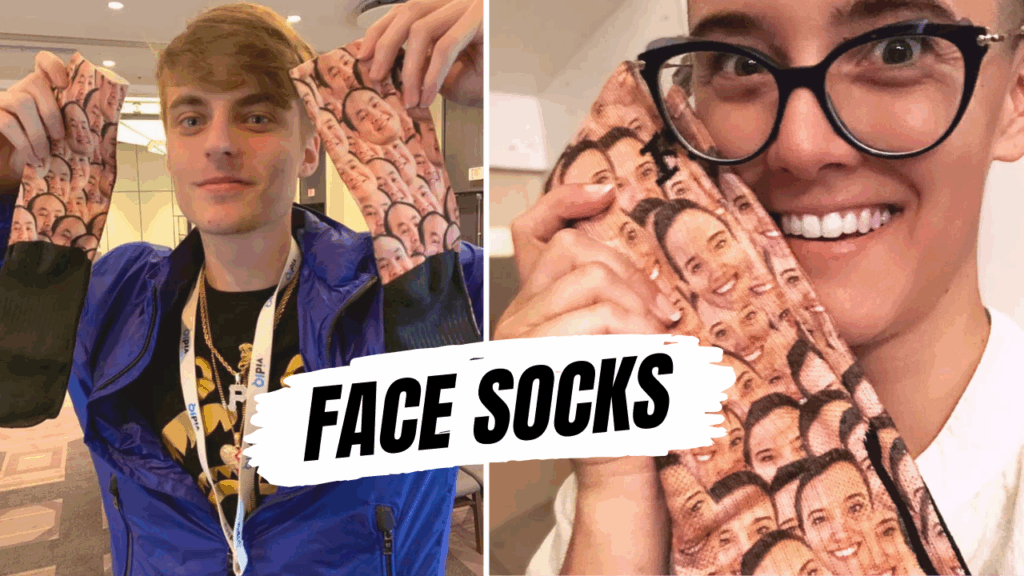
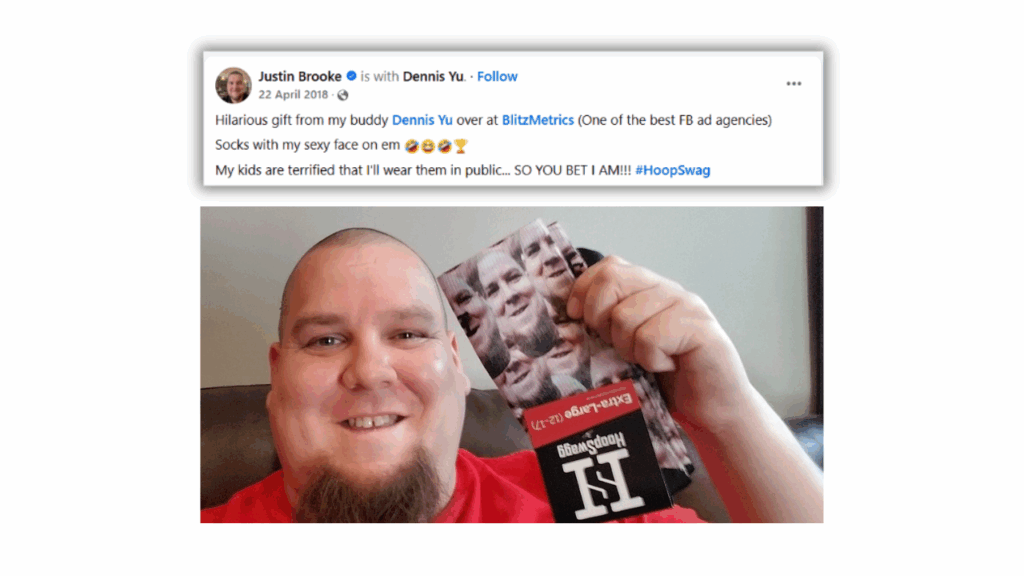
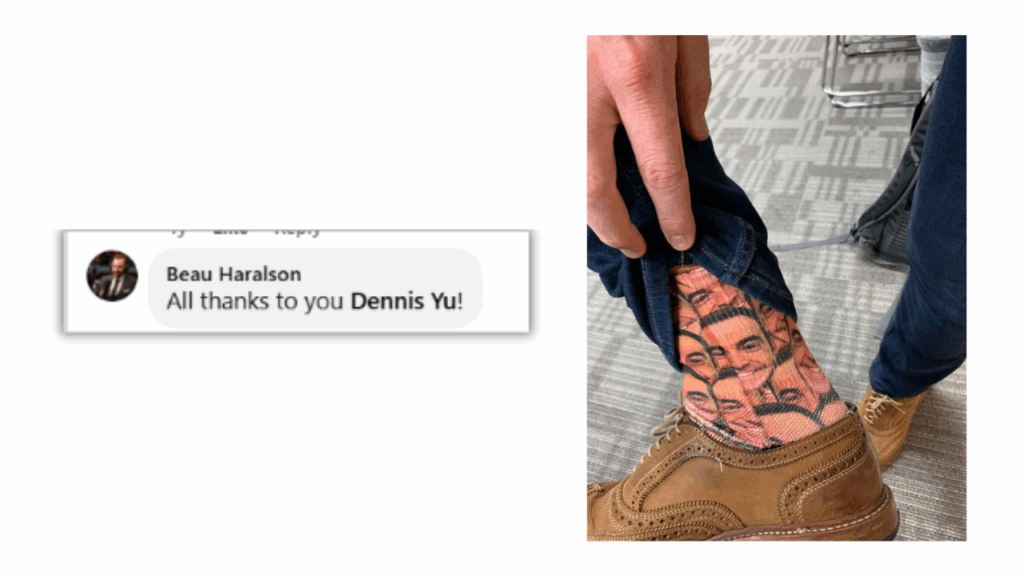
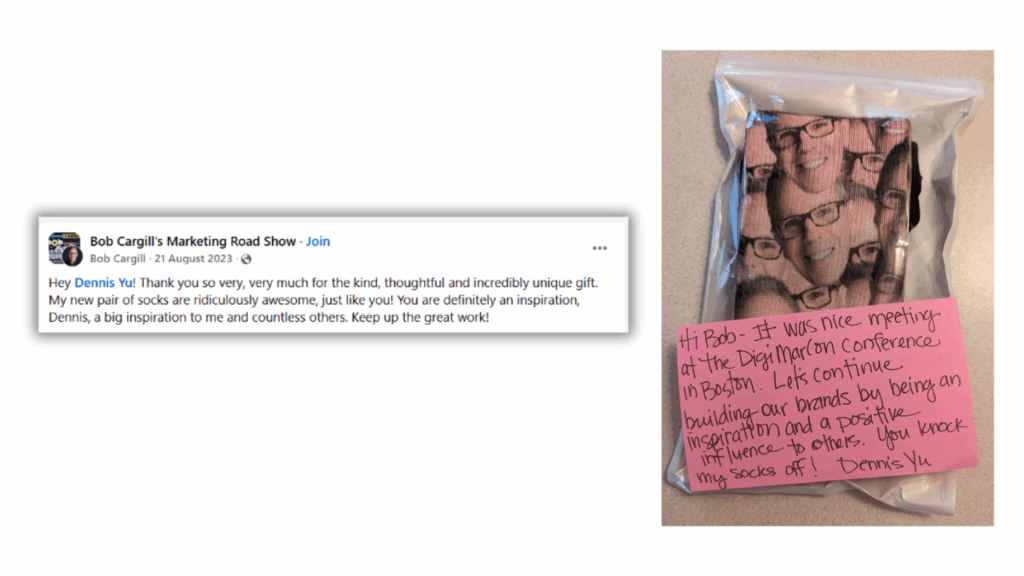
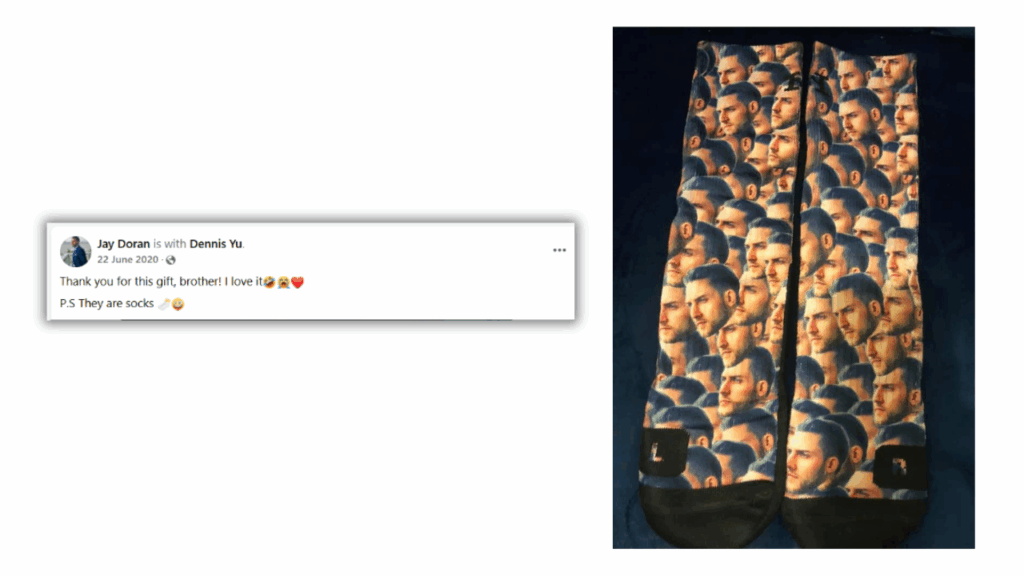
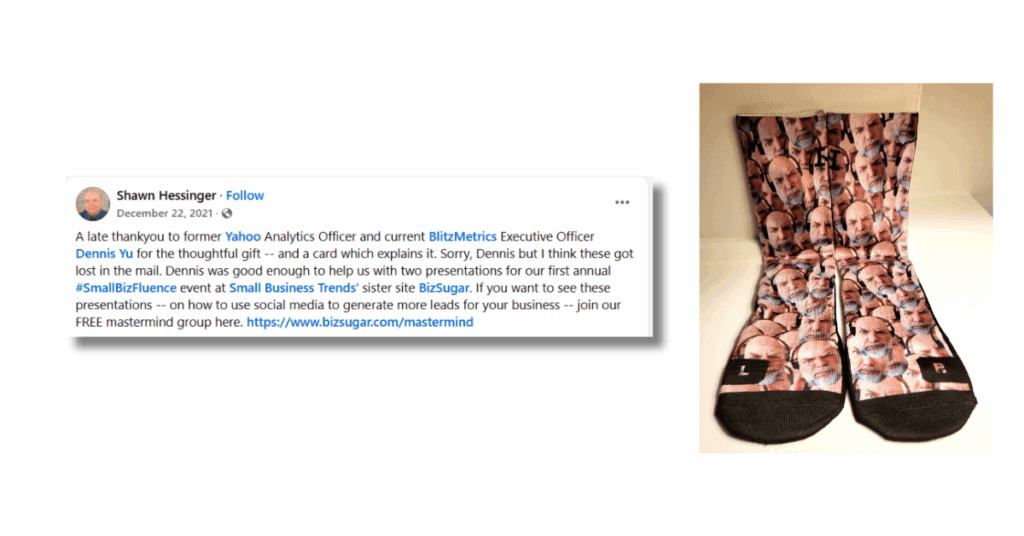
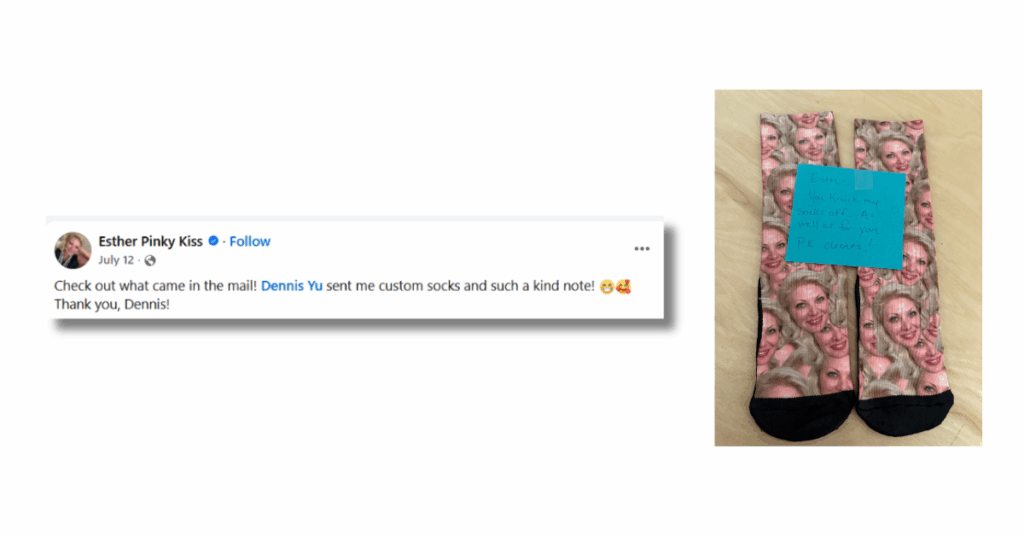
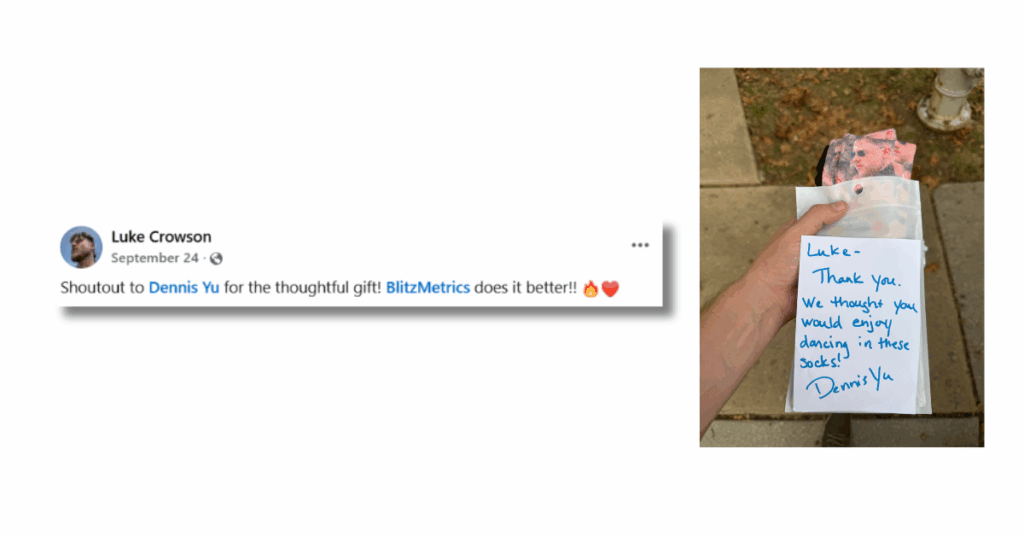
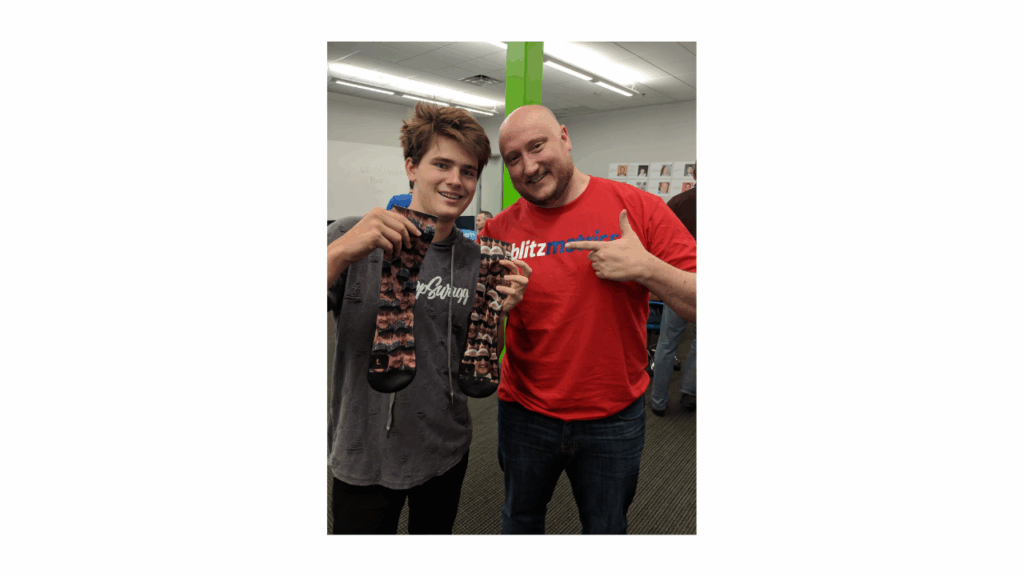
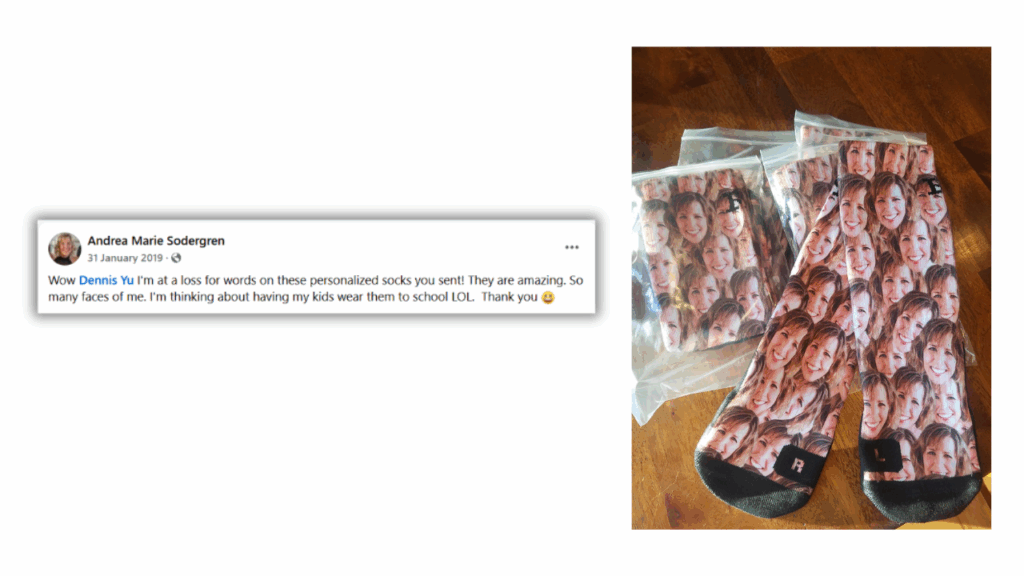
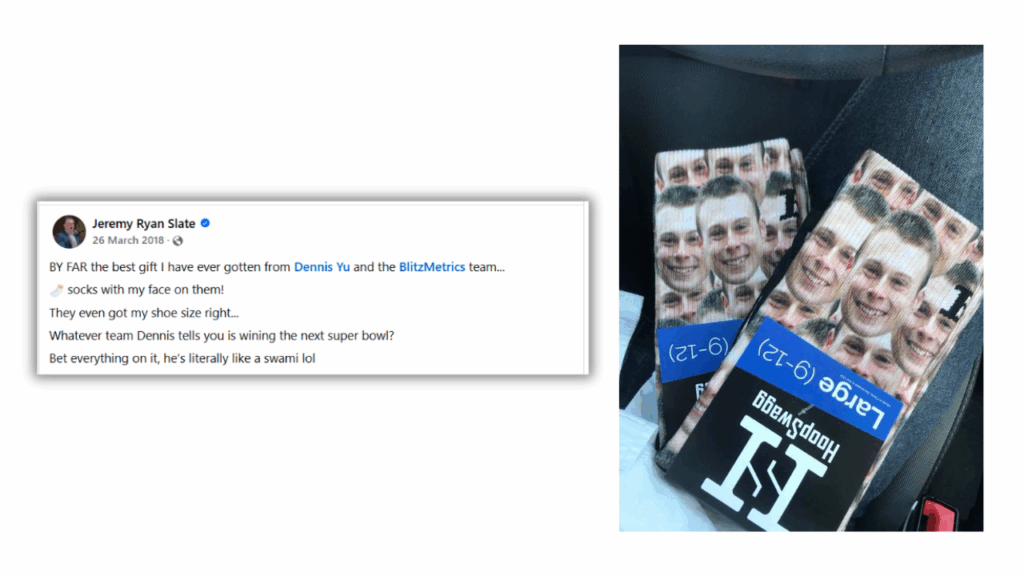
We love our friends and show it often. One of the ways we express gratitude is through personalized face socks; literally putting someone’s face on a pair of socks. It’s a playful, personal gift that fits into our Thank You Machine, which itself is a key part of the Content Factory process.

It’s about honoring others at the heart of what we do.

Imagine someone opening a package and finding their face printed on a pair of socks, along with a handwritten note that says something funny or thoughtful. They laugh, they post about it on social media, and they feel seen and appreciated.

That’s the same principle that powers podcasts, content repurposing, and client relationships, turning small acts of thoughtfulness into lasting impact.

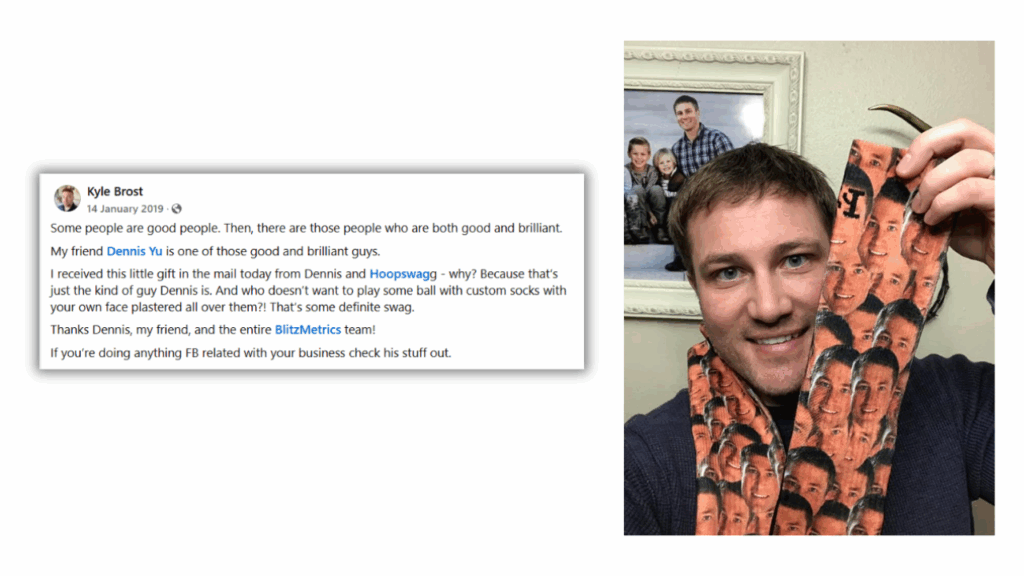
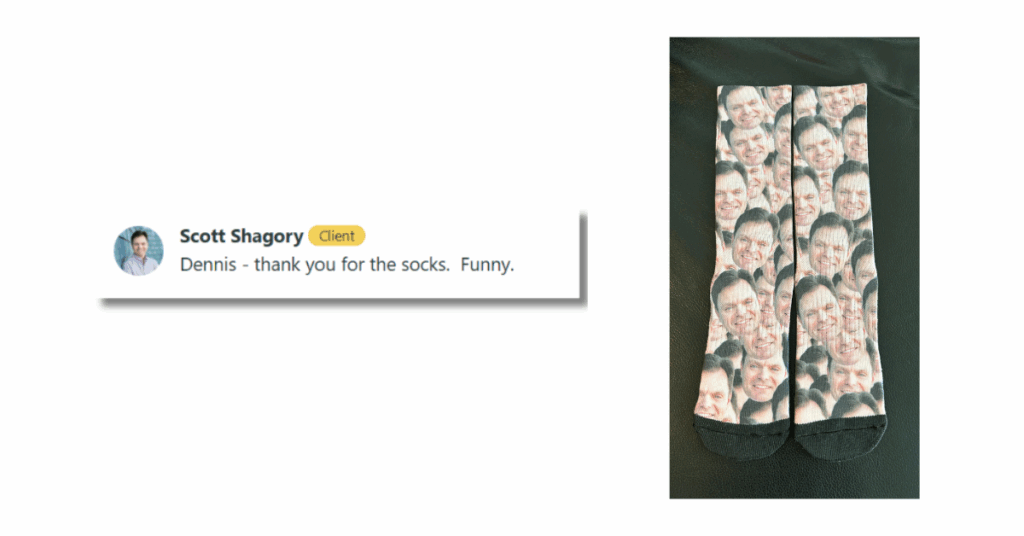
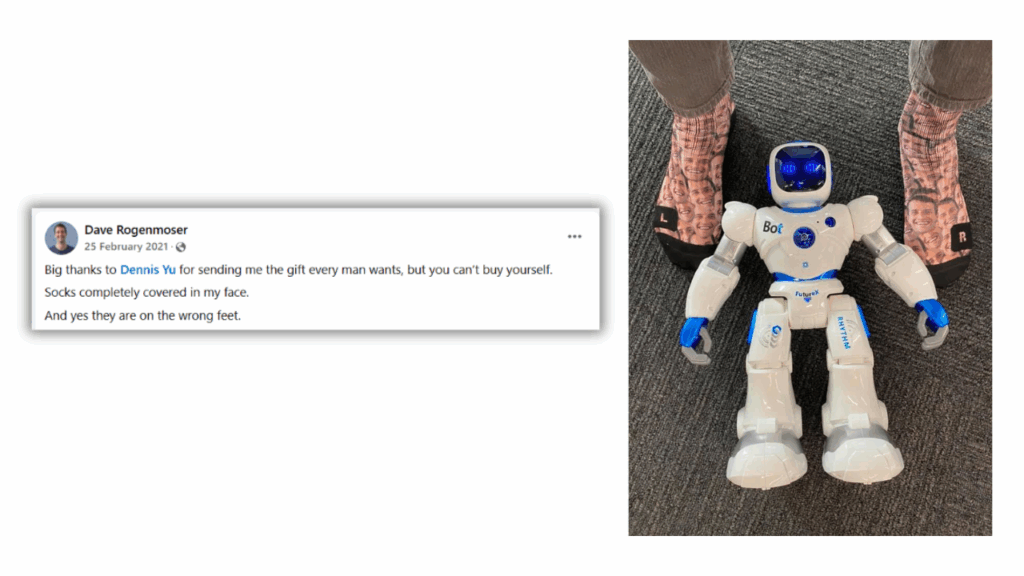
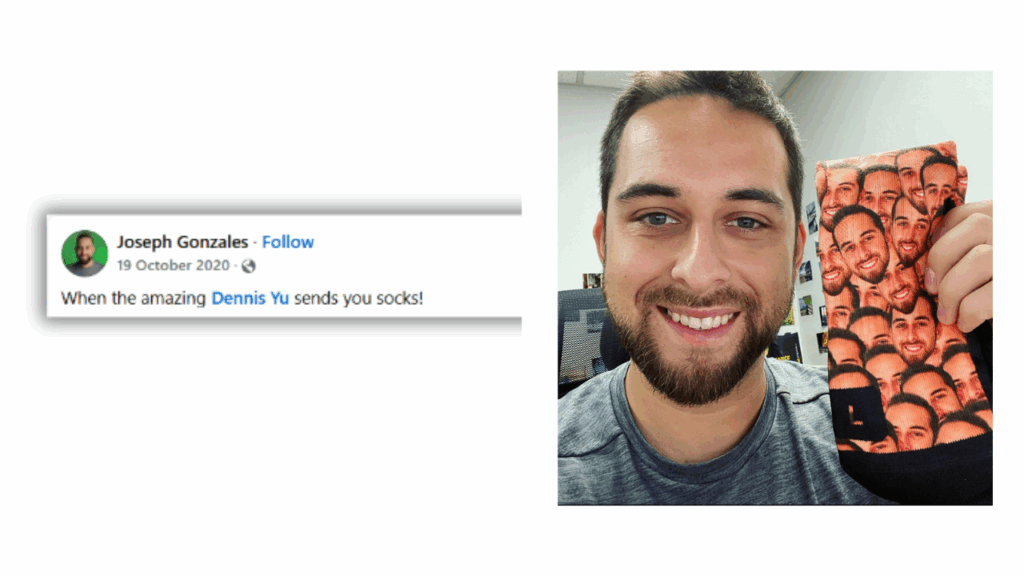
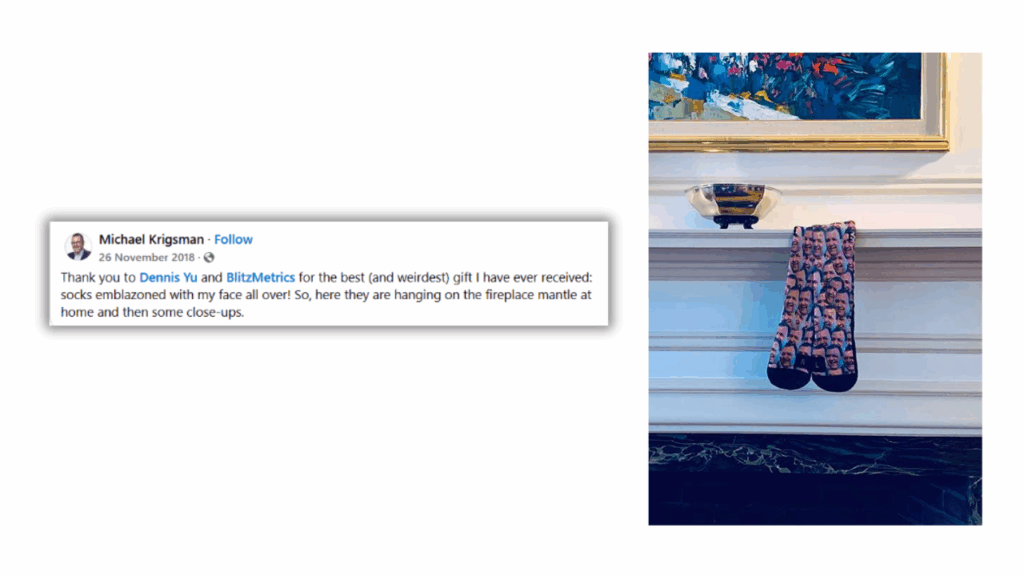
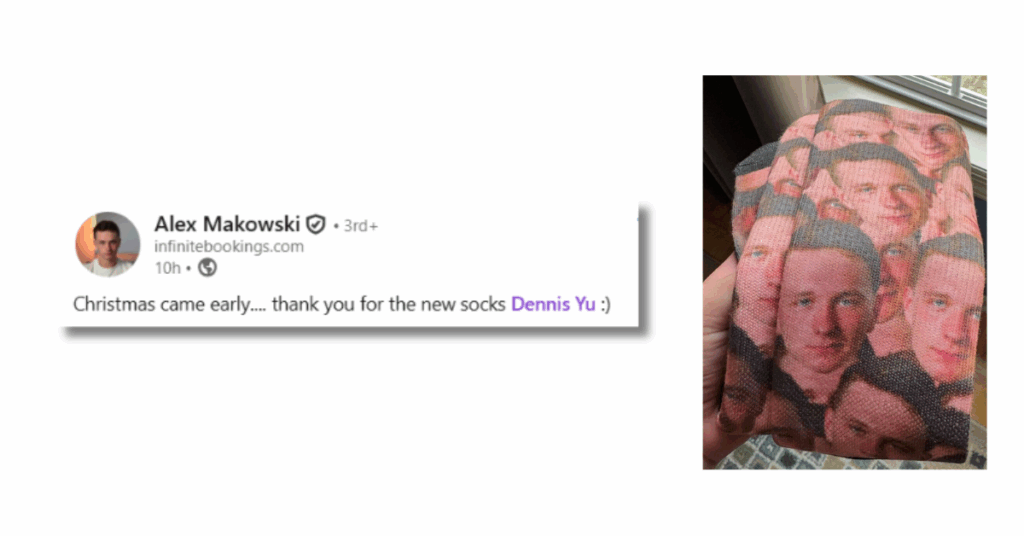
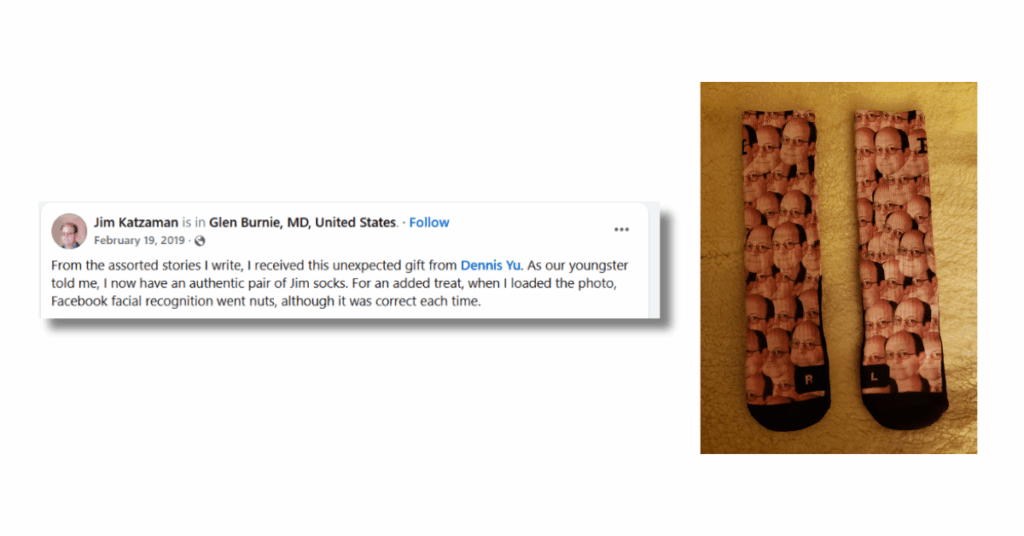
We’ve collected hundreds of social posts where people proudly share their socks. They’re showing off the relationship.

Why socks?

Face socks are our metaphor for strategy. Just like with podcasts or digital content, it’s never about us, it’s about them.

The recipient feels celebrated, which naturally builds relationships, as a gift breaks the ice and leaves a lasting impression.

A simple gesture can also amplify beyond the moment, rippling across social media, communities, and partnerships.

Ordering socks is easy enough, but the real value lies in why we do it: to honor others, strengthen trust, and set the stage for meaningful collaboration.

Before you order

If you’re asked to order socks, gather a few essentials:

  • Who it’s for. Double-check the name.
  • Where it’s going. Verify the mailing address.
  • Which picture to use. LinkedIn or social media usually works.
  • A handwritten note. This is where you can shine; make it funny, thoughtful, or meaningful.

Order price and availability

Orders are available only for shipping within the United States.

The total price is $27.99 ($24.99 for the socks + $3 for the handwritten note).

Team members should use our internal coupon code when checking out to ensure the discounted rate is applied. If you don’t have the code, request it from operations@blitzmetrics.com.

How to order

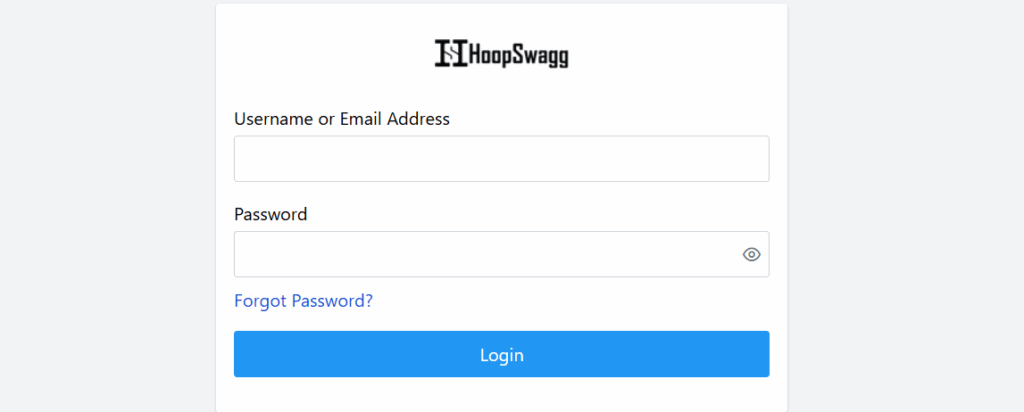
1. Go to https://clients.hoopswagg.com/ and login.

2. Add a handwritten note first.

Every gift is sent on behalf of all three LSS founders, not just one of us. Whether the recipient is a new client, a partner, or a LIGHTHOUSE, it’s important that they feel recognized by the whole team behind LSS.

3. Pick Face Socks (Large for male, Medium for female).

4. Choose Face Collage as the background.

5. Upload the picture.

6. Add both socks + note to the cart.

7. Enter shipping details.

8. Place the order.

9. Record it in the GiftTracker.

See how people are excited after receiving our gifts

Lars Silberbauer – CMO HMD & Nokia Phones

Kyle Brost – Research & Creative Officer at Be Journaling

Pete Kane – Co-Founder/Producer at Atlanta Wellness Ecosystem

Scott Shagory – Purple Finch Group

Dionne Malush – Realty ONE Group Gold Standard Pittsburgh

Toby Surber – Ad Astra Softwash

Jim Olson – Western Trading Post

Dave Rogenmoser – CEO & Co-founder at Jasper

Paul Halme – Combat Business Common Sense Coaching

Justin Brooke

Beau Haralson

Bob Cargill – Adjunct Professor

Dylan Collins

Jay Doran – Founder at Culture Matters

Joseph Gonzales – Owner/Partner at Extreme Spray Foam

Karen Sutherland – Lecturer at University of the Sunshine Coast

Paula Ruffin – Owner/Chiropractor at New Hudson Chiropractic Wellness Center

Amanda Holmes – CEO at Chet Holmes International

Andrea Marie Sodergren – Founder/Producer at Moms Unhinged

Jeremy Ryan Slate – Co-Founder Command Your Brand

Michael Krigsman – Publisher of @CXOTalk

Brett Belknap

Jason Raitz – Founder at Speak with People

Julian Hofmann – Litsey Heating and Air

Jim Katzaman

Shawn Hessinger

Esther Pinky Kiss

Luke Crowson

None of this would be possible without Brennan Agranoff, the founder of Hoopswagg. Brennan started by printing designs on socks, then grew the business into a national brand, and eventually spun off a logistics software company, Warehance, to handle the scale.

Over the years, Brennan has shared how he applied strategies like Dollar a Day ads, hiring virtual assistants, and systematizing his processes.

Brennan Agranoff – Founder & CEO at Hoopswagg

What happens after the socks arrive

The fun doesn’t end when the package lands.

Ten days after delivery, we send a personal email to the recipient, including a short video from Dennis explaining the story behind the socks and why we send them as part of our Thank You Machine.

This touchpoint keeps the moment alive, turns a simple gift into a deeper story, and often sparks new conversations.

We’ve even automated this process inside Keap so that every recipient gets a thoughtful follow-up at just the right time without us ever dropping the ball.

Scaling the Thank You Machine

This is usually done by VAs for agency clients, conference organizers, podcast guests, and partners. But anyone can order socks for anyone. The point is to create a memorable experience that fuels relationships and content.

If you’re serious about building your Thank You Machine, you can hire virtual assistants to handle details like this while you focus on relationships.

Face socks are part of a system: we honor others first. That’s the strategy. Everything else, whether podcasts, ads, or socks, is just the execution.

How to Publish a YouTube Video and Maximize Your Reach

Publishing a YouTube video isn’t simply uploading a file.

The way the video is titled, packaged, structured, and positioned determines whether it gets traction or disappears into the void.

If your thumbnail is weak, your chapters are generic, or your description lacks EEAT context, the algorithm has no reason to promote your content.

And if you skip these steps entirely, you fall into the #1 VA mistake: posting videos that produce zero measurable value and end up hurting ROI.

This guide shows you the exact process we use inside the Content Factory after a video is fully processed and QA’d.

Follow this checklist and your video will be positioned to get higher click-through rates, stronger retention, deeper engagement, and better long-term discoverability.

Step 1: QA the processed video

Before uploading, verify the video is 100% ready:

  • Ensure all names, titles, and proper nouns are spelled correctly.
  • Make sure the background music is balanced and not overpowering.
  • Confirm branding elements (lower thirds, banners, colors) are consistent.
  • Check that the final title reflects the message and contains the right keywords.

If the video isn’t perfect before uploading, it won’t magically fix itself afterward.

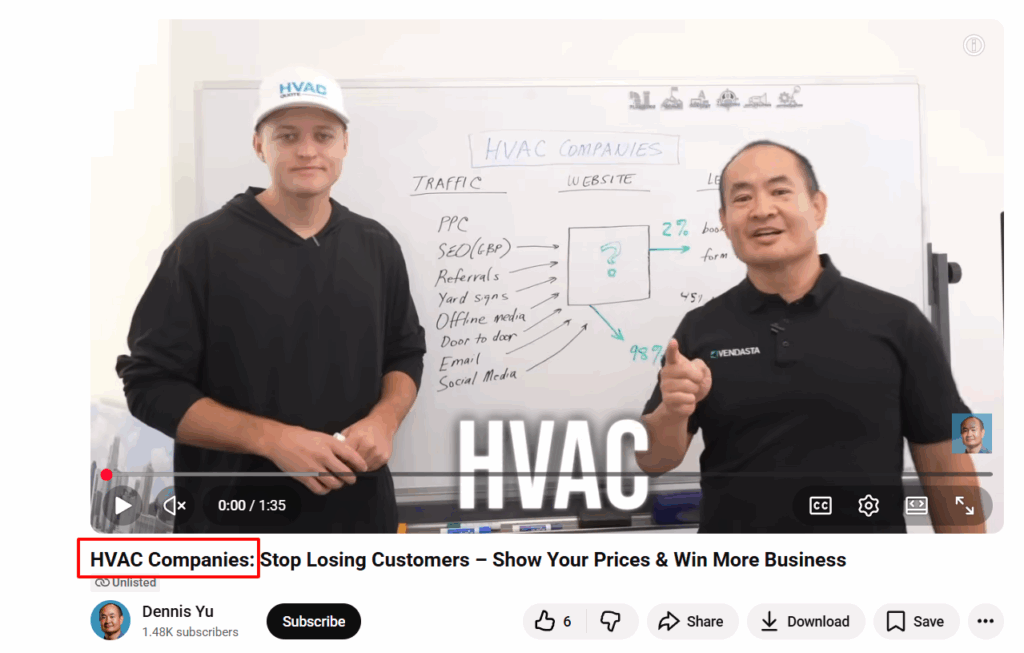
Dennis’ video that got 99K views in 9 days

Step 2: Thumbnails — the most important element

The thumbnail determines whether anyone even gives your video a chance.

Requirements for a good thumbnail:

  • Clean, high-quality image.
  • Big, bold text (3–5 words max).
  • Brand colors used sparingly but effectively.
  • Visual clarity even when tiny on mobile.
  • Clear emotion or visual hook.
  • No clutter, no tiny fonts, no “mystery screenshots.”

Small changes make a big difference, bright colors, sharp contrast, and a clear subject often double click-through rates.

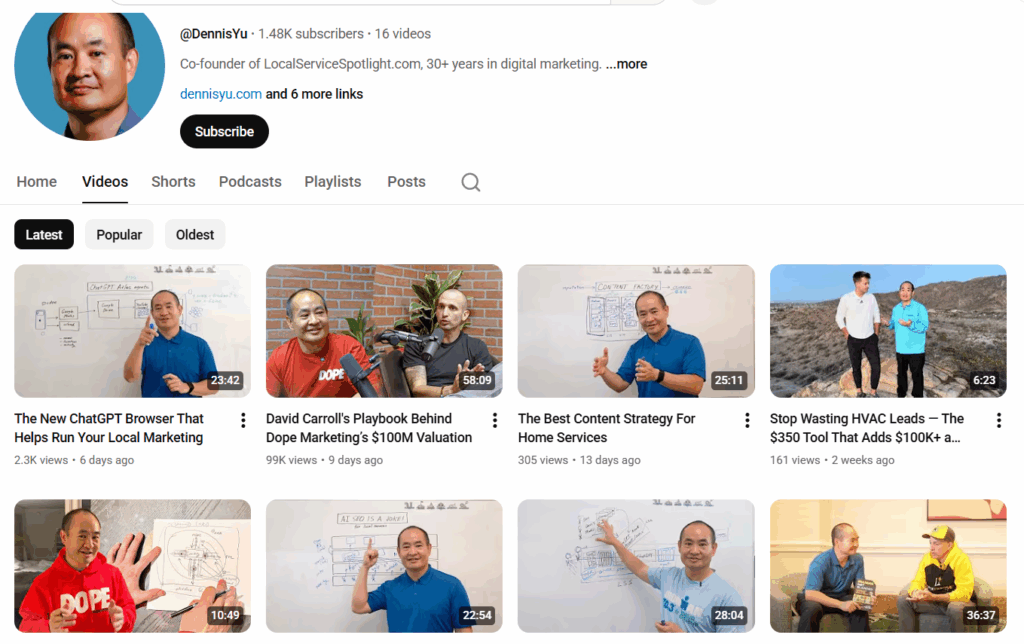
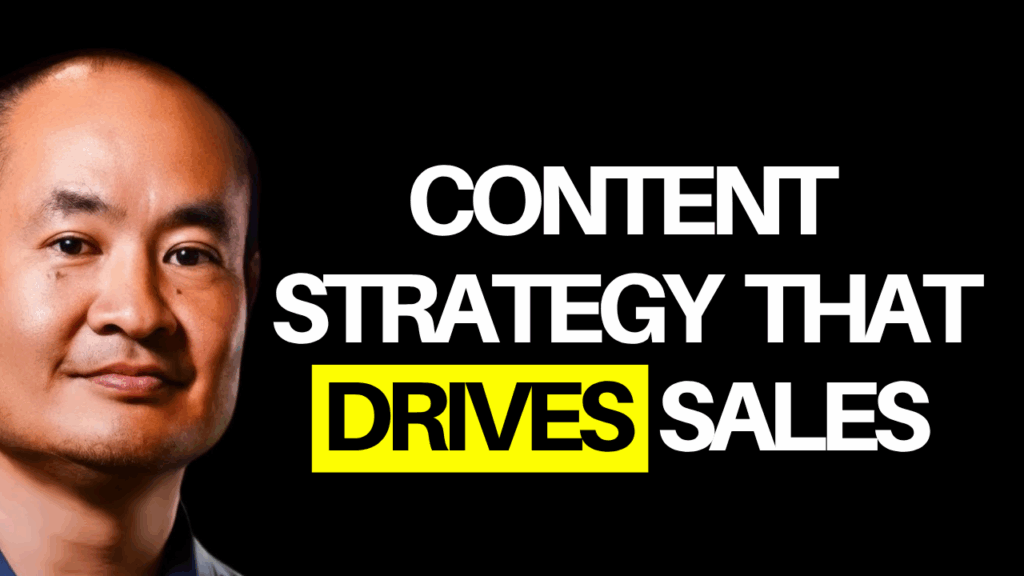
Thumbnails of Dennis’ YouTube channel

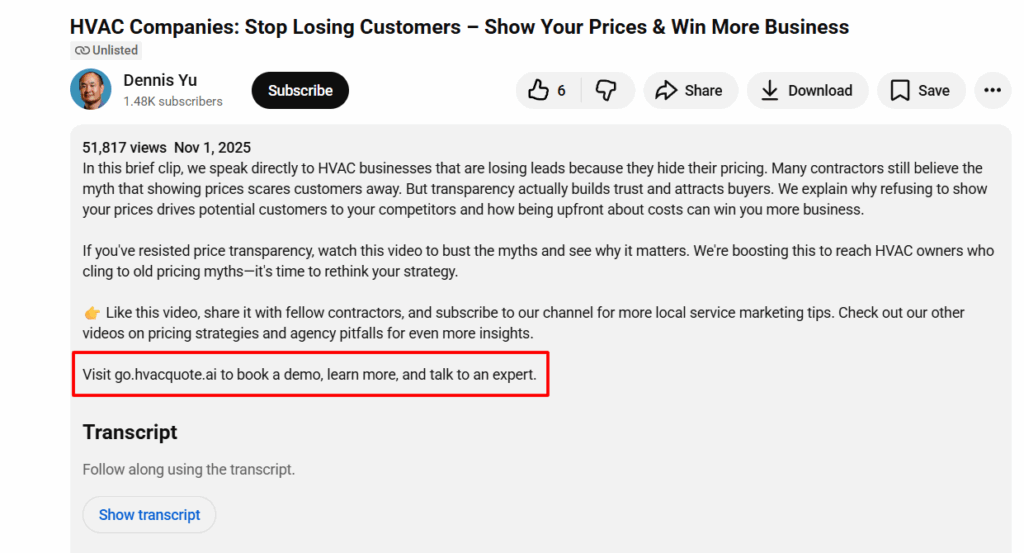
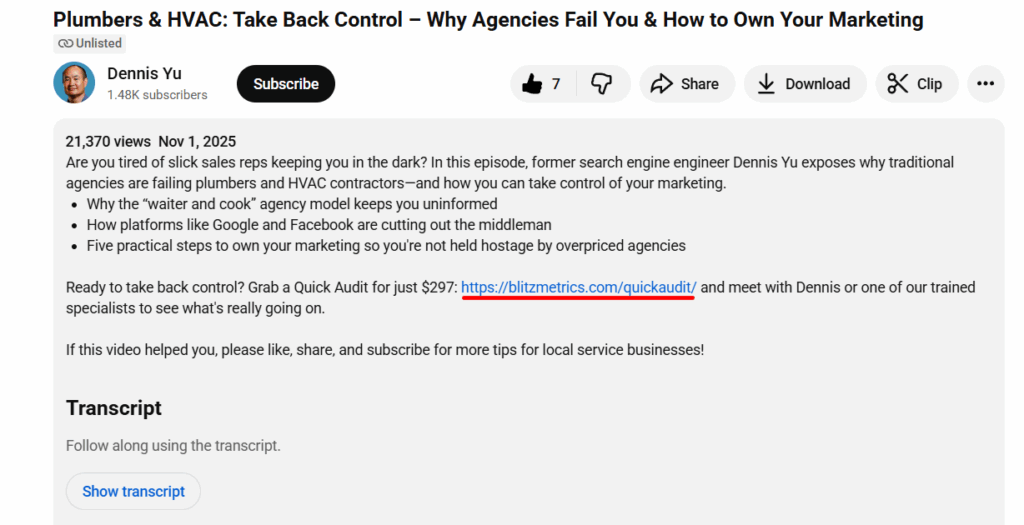
Step 3: Write a strong description with EEAT

A good description helps viewers understand the video and helps YouTube understand whom to recommend it to.

Include:

  • Business name and location.
  • Services or expertise shown in the video.
  • A concise summary of what the video covers.
  • A clear CTA (book a call, learn more, visit website).
  • Links to relevant videos or articles.

A description is free SEO.

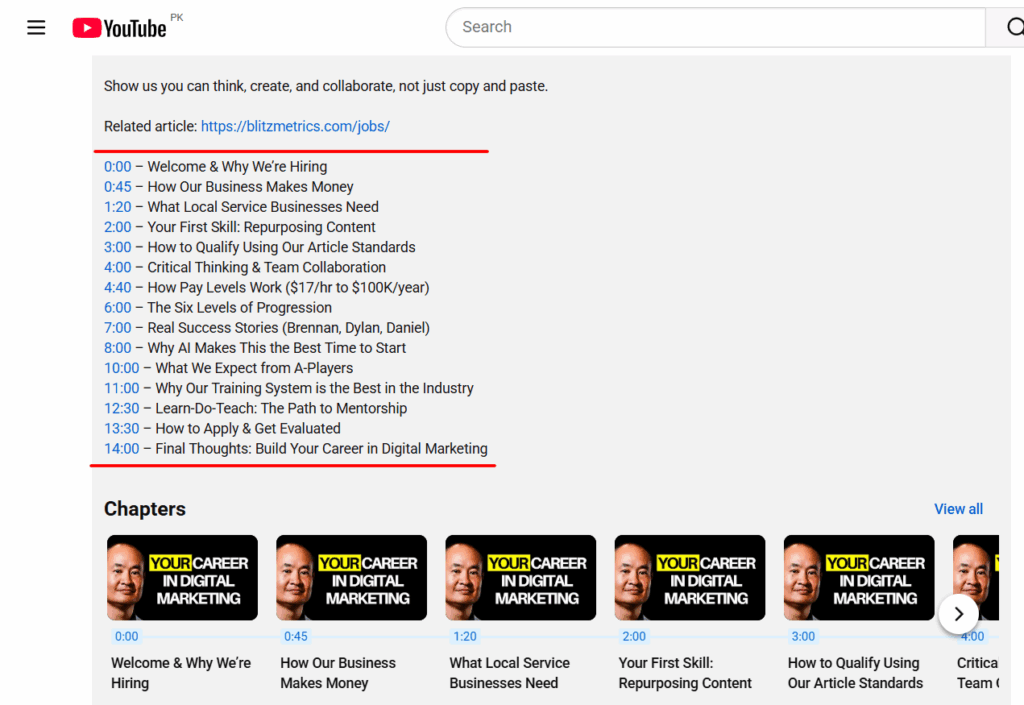
Step 4: Use smart chapters

Chapters make the video more skimmable, add context, and improve watch time.

Guidelines:

  • Use timestamps that reflect real topic shifts.
  • 6–12 chapters for an hour-long video is common, but not mandatory.
  • Avoid flooding the video with micro-chapters.
  • For podcasts: break by topic or guest.
  • For training videos: break by lesson or module.

Smart chapters make the content easier to consume and easier to rank.

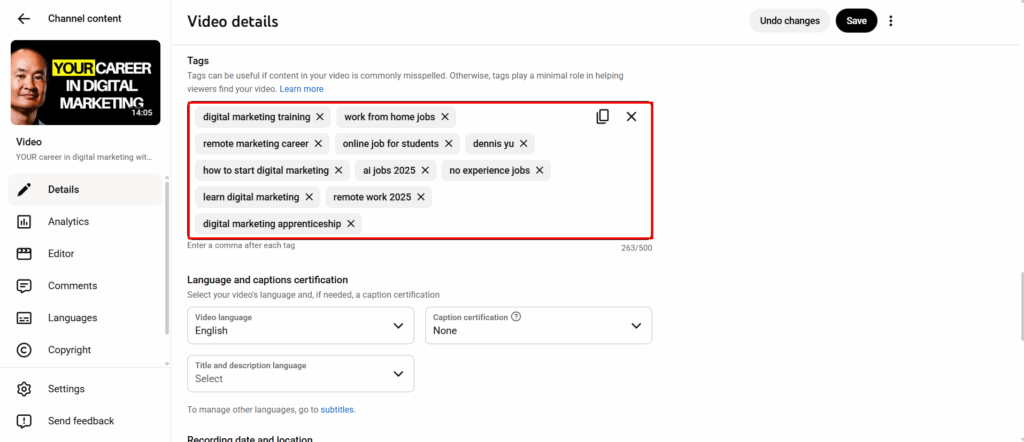
Step 5: Add tags that reinforce discoverability

Tags are not the main ranking factor, but they help with variations, misspellings, and context.

Include:

  • Service keywords.
  • City + service (“Dallas roof repair”).
  • Brand names or tools mentioned.

  • The business name (if available on Google Maps).
  • Collaborator channels or guest names.

Tags shouldn’t be random; they should support the video’s core topic.

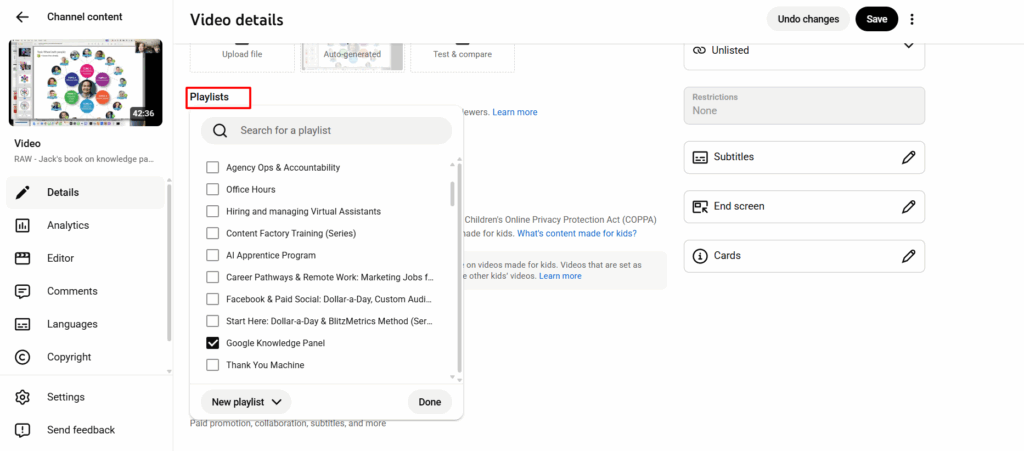
Step 6: Add the video to the correct playlists

Playlists help YouTube understand the topic cluster your video belongs to.

Tips:

  • Add the video to an existing playlist that matches the topic.
  • Use “smart playlists” to group binge-able content together.
  • Don’t leave videos floating on their own, it weakens discoverability.

The more organized your channel is, the easier YouTube can recommend your videos.

Step 7: Monitor for copyright issues or removed content

After publishing:

  • Check YouTube Studio for copyright claims or strikes.
  • If content is removed, review the reason → fix → reupload.
  • Ensure every video has required licensing, disclaimers, and metadata.
Prevention here saves hours of cleanup later.

After uploading: promote and analyze

Once the video is published:

  • Share across social media.
  • Respond to viewer comments to build engagement.
  • Monitor key metrics:
    • Click-through rate.
    • Watch time.
    • Audience retention.
    • Suggested/recommended traffic.
  • Apply insights to improve your next videos.

This is a loop: publish, measure, improve, repeat.

Verification checklist

  • Video is fully processed and QA’d.
  • Thumbnail is high quality and click-worthy.
  • Description includes EEAT details and links.
  • Chapters are clear and helpful.
  • Tags and playlists are correctly assigned.
  • YouTube sheet is updated without breaking previous links.
  • Copyright/licenses checked.
  • Performance tracking initiated.

Common Mistakes People Make in Content Processing

AI SEO is a joke for local businesses—and not because AI is bad, but because people misunderstand how it actually works, especially when it comes to content processing.

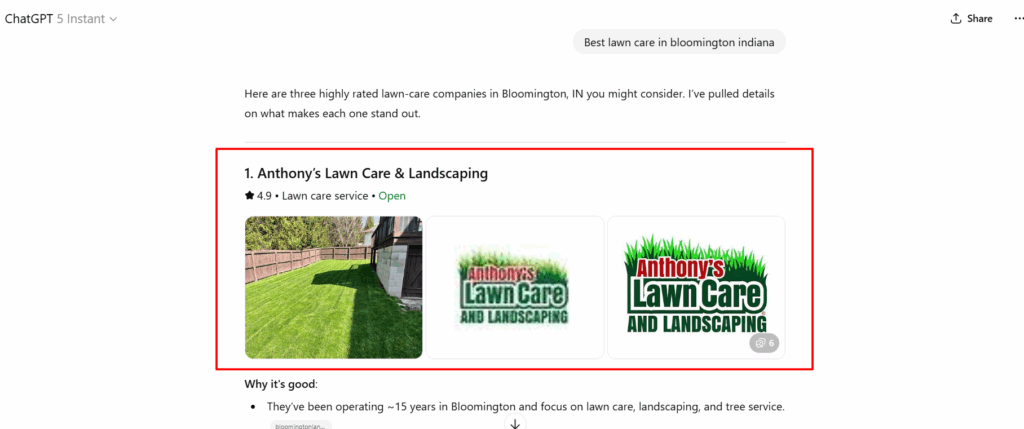
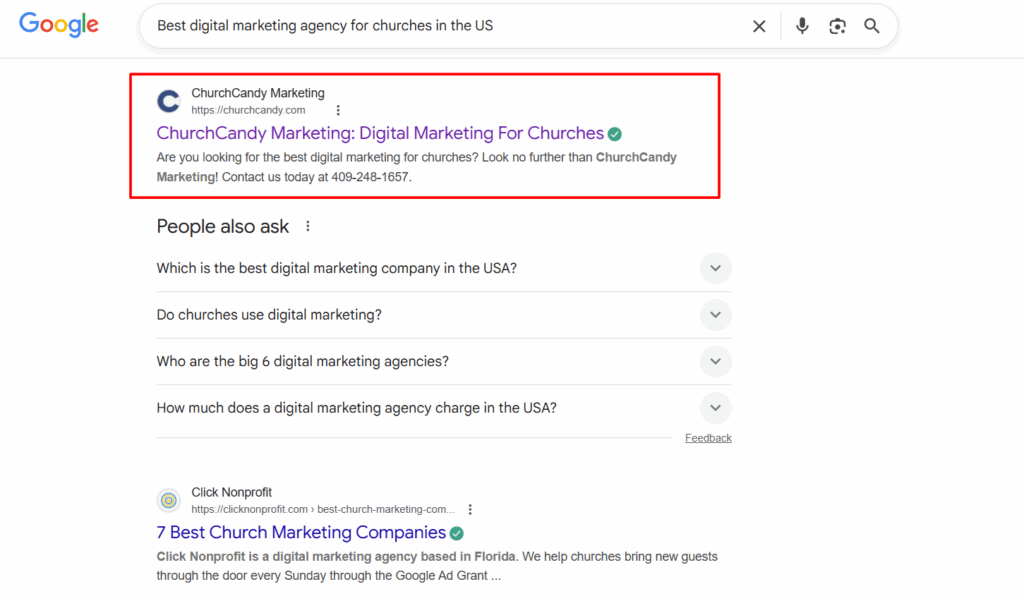
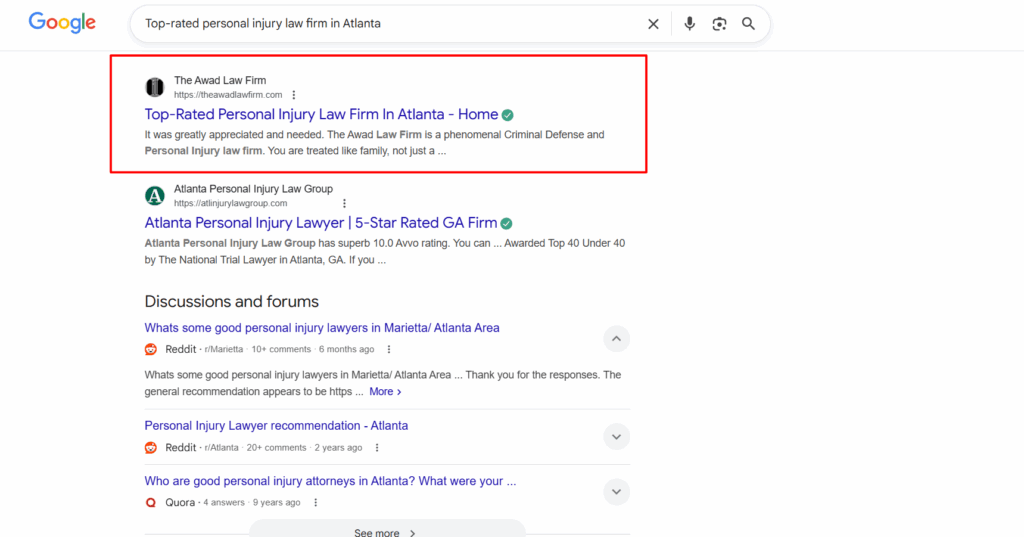
If you’re a plumber, roofer, or landscaper, no one’s finding you by asking ChatGPT who the “best local business” is. ChatGPT just regurgitates what’s already visible online: your Google listings, your reviews, your social proof, and how well your content processing surfaces that.

AI recommending Anthony’s Lawn Care and Landscaping as the best lawn care in Bloomington, IN

Google recommending Church Candy as the best digital marketing agency for churches in the US

ChatGPT recommending Ad Astra Softwash as the best exterior cleaning service in Overland Park

Google recommending The Awad Law Firm as the top-rated personal injury law firm in Atlanta

Here’s the truth: AI doesn’t make bad content good. It amplifies what’s already there.
Garbage in, garbage out.

Most content fails before it ever hits publish, not because of weak gear or sloppy captions, but because the person behind the screen doesn’t know why the content exists. They just start cutting clips, slapping on captions, and praying for a viral miracle.

That’s the #1 VA mistake:
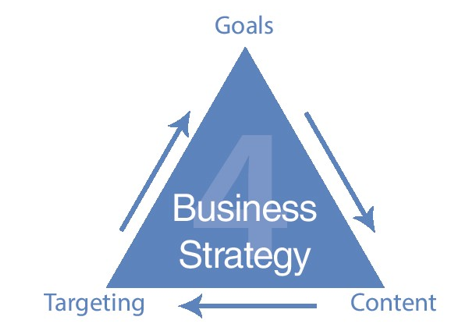
Working on content without understanding the brand’s GCT: Goals, Content, and Targeting.

When you don’t know why a video matters, what it’s meant to communicate, or who it’s for, you’re not editing, you’re vandalizing it with good intentions.

This guide is your safety manual: the seven biggest mistakes we see in content processing and how to fix them. Miss one, and you’ll keep polishing videos that look great but do nothing. Nail them, and you’ll start producing content that actually drives calls, leads, and sales.

The 7 Most Common Mistakes in Content Processing

1. Ignoring the Core Message

Jumping into edits before understanding the point creates pretty, meaningless videos.
Fix: Write down the one-sentence message before editing. If you can’t explain it clearly, don’t hit play. Every piece of content should serve a measurable goal tied to GCT.

2. Weak or Missing Hook

The first 5-15 seconds decide whether people stay or scroll.
Fix: Start with the moment that makes you stop scrolling. No intro fluff. No “Hey guys.” The hook is your handshake, make it strong.

3. Generic Targeting

If your content is for everyone, it’s for no one.
Fix: Match tone, captions, and pacing to your real audience.
A contractor podcast should sound blue-collar, not corporate. Talk to real people in their language, not to an algorithm.

4. Sloppy Visual Standards

Mismatched fonts, awkward crops, and cluttered graphics scream “lazy.”
Fix: Follow your brand style guide like a pilot follows a pre-flight checklist. Every visual builds or erodes trust. Consistency equals credibility.

5. Overpowering Background Music

When your beat drowns out the voice, you’ve sabotaged yourself.
Fix: Keep background music subtle (around -25 dB).
Voice around -6 dB, with light sidechain compression. The message always wins over the music.

6. Typos and Caption Errors

Misspelled names or wrong titles destroy credibility instantly.
Fix: Run captions through GPT proofreading, then manually check all names and quotes.
Machines fix grammar, humans protect reputation.

7. Skipping the QA Checklist

Every recurring mistake traces back to someone skipping the process.
Fix: Use the Content Factory QA checklist every time. It exists because we’ve already paid the price for not doing it.

Why Most VAs Struggle (and What to Do Instead)

Most VAs think technical skill equals value.
You can be the best editor on earth, but if you don’t understand GCT, you’ll never produce results.

Let’s break it down:

  • Goals: What is this content supposed to achieve? (Leads? Awareness? Authority?)
  • Content: What story or message communicates that goal?
  • Targeting: Who is this for, and what tone and platform fit them best?

Without these, your edits are random, disconnected from the mission.
Editing without GCT is like walking into Apple HQ and asking, “What’s an iPhone?”

Here’s what separates pros from amateurs:

— They build topic wheels, not calendars.
Each piece of content ties back to key topics and relationships, reinforcing authority.

— They test before scaling.
Using the Dollar a Day strategy, they amplify what already performs, not what “feels good.”

— They measure outcomes, not likes.
Through digital plumbing, they connect impressions to leads and revenue.

— They repurpose with precision.
Evergreen content becomes shorts, articles, snippets, multiplying results without multiplying effort.

You don’t need more content.
You need content that deserves to live forever.

Required Checklists

One-Minute Videos

  • Names spelled correctly.
  • 1080×1080 or 1080×1920 format.
  • Captions ≤ 3 lines, centered, filler words trimmed.
  • No intro bumper.
  • Lower thirds (5s duration, bottom corner).
  • Copyright-free music, subtle volume.

Long-Form Podcasts

  • Hook first (≤15s), then bumper.
  • Color-grade and normalize audio.
  • Remove filler chatter.
  • Lower thirds for guests.
  • Reset attention every 10s with b-roll or overlays.
  • Natural CTA.
  • SEO title, description, thumbnail.

YouTube or Landing Page Videos

  • Format: 1920×1080.
  • Hook → OBB → Main content.
  • Strict brand colors and typography.
  • Proofread captions.
  • Clean transitions.
  • CTA at the end.