For Young Adults Wanting to Fix the Digital Marketing for Their Parents Businesses | Jack and Dennis

In this video, Jack and Dennis discuss how young adults can help fix the digital marketing for their parents’ businesses. They share practical insights into advertising, content creation, and SEO fundamentals.

If you’re a young adult looking to build real marketing skills and serve local businesses, check out the High Rise Academy program to get hands-on training and mentorship.

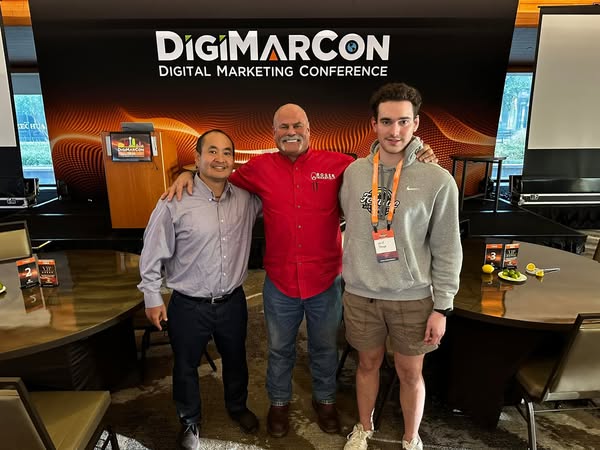
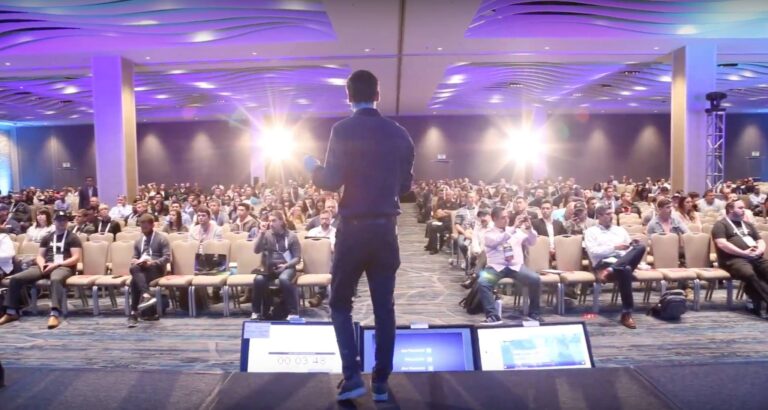
Claiming Your Google Knowledge Panel & Scaling Your Agency: Dennis Yu x Jack Wendt at DigiMarCon NYC

If you’re tired of vague “consulting” promises and want a repeatable blueprint for building a service agency that actually scales, this candid conversation is for you.

Dennis Yu and Jack Wendt pull no punches as they share how High‑Rise Influence helps 7‑ and 8‑figure founders earn a Google Knowledge Panel — the digital stamp of legitimacy most gurus can’t deliver. They reveal why clarity and proof matter more than hype, why you must draw a line on who you serve, and how to create an operations playbook that lets you hire and train without reinventing the wheel each time.

Highlights include:

  • Why “customizable” beats “custom” — and how to productize services without becoming a cookie cutter.
  • The hard truth about clients who think they’re the exception: you can’t make a beef Wellington out of baloney.
  • Real numbers: thousands of AI bots (from Claude, ChatGPT, and others) hitting their content, turning free education into actual leads.
  • How to leverage AI, social snippets and small ad spends to attract the right people — and repel the wrong ones.
  • Lessons from plumbing and HVAC agencies: focus on one niche, own your proof, and watch referrals snowball.

If you’re ready to stop selling air and start delivering results that even Google recognizes, hit play. Then let us know in the comments: what’s the one thing holding your agency back from scaling?

Don’t Tag Me in Basecamp — Here’s Why

Every time someone tags me in Basecamp, I get two emails for the same message: one for the post, and one for the mention.

Multiply that by dozens of projects, and you’ve just doubled the noise in an inbox that already gets over a thousand emails a day.

I manage 1,000 emails a day. Every unnecessary ping pulls me away from the high-value work that keeps everything moving: strategy, client relationships, training, and developing the next generation of digital leaders.

Tagging me in Basecamp might seem like a quick way to get my attention, but it actually creates friction.

It breaks the system we built to keep communication smooth, focused, and accountable.

A team member tagged me in the Basecamp project of Cardinal Treatment Center

If I’m subscribed to a Basecamp thread, I already get the message.

Practice RACI

Basecamp is where we document work.

We always practice RACI:

  • R = Responsible (the person doing the work).
  • A = Accountable (the person ensuring it gets done).
  • C = Consulted (people giving input).
  • I = Informed (people who just need to know).

When you tag someone just to make sure they “saw it,” you’re bypassing that structure.

It’s like cutting across traffic because you don’t feel like waiting for the light; it might save a second, but it causes chaos.

We Built Systems for a Reason

We created the Level 1 Guide to make this process easy for new folks and anyone who hasn’t worked in a high-functioning team before. It’s all spelled out, who does what, where updates go, and how to communicate clearly without creating extra noise.

Following these systems is about protecting focus.
Every time you skip the system, you create work for someone else and that ripple effect slows everyone down.

The Bottom Line

Don’t tag me in Basecamp.
If I need to be looped in, assign the task to the right person and let the process work.
If it’s truly urgent, use the proper channels.

We win by running clean systems, not by shouting louder in the digital hallway.

How to Keep Clients Happy Before Problems Start

Congratulations, you’ve got your first client!
That’s a huge milestone. But here’s the thing: the easiest time to keep a client happy is before they’re upset. Once things spin out of control, you’re in damage-control mode and that’s exhausting.

When you care early, communicate often, and follow the right process, you won’t have to “save” accounts. You’ll grow them.

Why Clients Stay: Results + Communication

Our clients don’t stay because of contracts.
They stay because we drive real results, and they feel cared for.

Retention happens when you:

  1. Deliver results consistently through the MAA process — Metrics → Analysis → Action.
  2. Communicate clearly every week, no matter what.

We don’t hide behind a one-year lock-in. Clients stay with us because they want to, not because they have to.

The MAA Process (Metrics → Analysis → Action)

This isn’t just another framework or template; it’s a mindset.
Every week, you’ll move through these three steps:

  1. Metrics: Gather the numbers. What happened?
  2. Analysis: What do the numbers mean?
  3. Action: What will we do next?

It doesn’t matter whether you’re running Google Ads, Facebook, SEO, or content. The same process applies everywhere.
Your goal? Drive more qualified phone calls that lead to real customers for your client.

The Power of the Friday Report

Every Friday (or Thursday if you’re ahead), send your optimization report.
Even if you don’t have big changes to announce, your consistency shows you care.

Weekly MAA for Plumbing Pros PA

Clients should never wonder, “What’s happening?”
The moment they stop hearing from you, they assume you’ve stopped caring. And that’s the #1 reason clients leave, not bad performance, but lack of perceived care.

If you’re sick, traveling, or have weak Wi-Fi, still message them. Even a quick “Hey, I’ll send the update tomorrow, just want you to know I’m on it” goes a long way.

Handling the Unexpected

Stuff breaks, websites crash, ads stop running, Google updates happen.
That’s life in digital marketing.

When things go sideways:

  • Don’t panic.
  • Triage. Figure out what matters most.
  • Communicate. Tell the client what’s happening and what you’re doing.

Most clients are understanding, especially compared to their last three agencies that ghosted them or sent useless, automated reports.
When you care, analyze, and take action, you stand out instantly.

Learn Before You Lead

You’re part of a team now, and eventually, you’ll lead one.
But before you manage others, master the process yourself.

Do the work first. Learn the system.
Then, when your teammates get stuck, you’ll know how to guide them.

That’s how we grow.

Why Feedback is Gold

Weekly reports aren’t just for clients; they’re feedback loops for you.

Sometimes clients will say:

“This looks awesome, great job!”

Or even:

“Turn the marketing down, we’re booked out for two weeks!”

Other times, they’ll raise concerns. That’s fine too. It keeps communication alive and helps you improve faster than any course ever could.

Keep Optimizing

No one ever becomes “done learning.”
Even the most experienced marketers keep refining how they use data and tools.

Treat every week like another rep in the gym, small, steady improvements that add up over time.

Remember: you don’t win by sprinting. You win by showing up consistently.

Final Thought

Client success isn’t about being a “guru.” It’s about being reliable, thoughtful, and proactive.
Do what you say you’ll do, communicate clearly, and improve week after week.

That’s how you build a career. That’s how you make clients stay.
And that’s how you win, one Friday report at a time.

Meet the Coaches Behind High Rise Academy

Meet the Coaches

High Rise Academy is led by three practitioners who train students on real business projects using documented processes and live feedback.

Jack Wendt — Founder & CEO, High Rise Influence

Jack started young — at 12–13 he was buying and reselling watches, learning how to negotiate, reinvest profits, and build relationships. That early hustle turned into a passion for entrepreneurship and mentorship. He built High Rise Academy so motivated teens don’t have to guess their way forward or build businesses alone.

“When I was 13, I had to figure it out myself. Now we can give young people a system — and help real businesses along the way.” —Jack Wendt

How Jack mentors

  • Assigns live business tasks: editing vertical videos, writing platform-native captions, basic ad setups.
  • Shows students how to publish once, then distribute across channels without duplicating work, following our cross-posting guide.
  • Models client communication and simple reporting (before/after assets, notes, and next actions).
  • Helps students channel their entrepreneurial energy into real businesses — generating calls, creating content, and directly contributing to client revenue.

Dennis Yu — Former Search Engine Engineer & Co-Creator of the Content Factory

Dennis designs the systems our teams use to execute reliably at scale — checklists, SOPs, and feedback loops rooted in the Content Factory framework. Students don’t watch theory; they ship assets and get reviewed. He also emphasizes E-E-A-T — real people, real places, real work — to make content credible and reusable.

“There’s no age too early to start building a brand or learning how to learn.” —Dennis Yu

How Dennis coaches

  • Weekly reviews with concrete acceptance criteria (naming, thumbnails, captions, repost rules).
  • Layering proof — names, locations, client artifacts — to establish trust via E-E-A-T.
  • Avoiding common VA pitfalls by tying every task to a clear goal, content asset, and target.
  • Works with students from age 17 to 60, proving that the Academy’s structure supports all levels of experience — from teenagers just starting out to adults seeking to sharpen their skills.

Dylan Haugen — Professional Dunker & Creator

Dylan is a professional dunker who performs in contests and live shows while documenting his journey online. His creative background gives him a unique perspective on content and storytelling. After connecting with Dennis and Jack in late December, he discovered how to use the Academy’s structure to transform his passion into professional growth.

“After joining the program, I learned more in a few weeks than I had in years on my own.” —Dylan Haugen

How Dylan teaches

  • Short-form storytelling on real client pages (clear hook, proof, next step).
  • Batch capture and workflow hygiene (shot lists, b-roll banks, caption templates).
  • Practical feedback on pacing, framing, and retention.
  • Works with business owners — from local gyms to personal brands — showing them how consistent storytelling drives measurable results online.

What You’ll See in Practice

  • Live weekly coaching with screen-share reviews and action items.
  • Documented SOPs with examples for each step.
  • Real distribution on business accounts, followed by sensible republishing.
  • Proof built in — faces, places, and outcomes attached to the work.
  • Range of participants from teens to age 60; quality is driven by checklists, not age.
  • Students are paid as they demonstrate competency on production tasks.

Why High Rise Academy Matters

Students learn marketing by doing: edit videos, post on business accounts, and follow checklists until their work meets spec. Parents see consistent habits and professional communication develop over time. Business owners get useful assets instead of vague ideas.

For parents who want to see their teens develop real-world skills, build meaningful relationships, and gain confidence through hands-on experience, High Rise Academy provides a clear path — while also contributing real work for the businesses they support.

If you’d like to learn from mentors like Dennis, Jack, and Dylan, or know a young adult who would thrive in this environment, explore how to get involved with High Rise Academy. It’s a place where curiosity turns into capability, and learning turns into real results.

Welcome to the AI Apprentice Program

Congrats, you’ve joined the program.

Now that you’re officially inside, here’s the exact roadmap so you don’t feel lost staring at 140+ courses, 27 tools, and a pile of skills you think you “don’t have yet.” Let’s cut through the noise.

Join the Office Hours Facebook group

By now, you should have an email inviting you to our Office Hours Facebook Group.
If it didn’t arrive, give it a few minutes; it’s on the way.

This group is where everything happens:

  • Weekly Office Hours: Thursdays at 2 PM PST / 5 PM EST.
    We record all sessions, so if you miss one, no meltdown necessary.
  • Ask your questions here (not in the big public group).

We use Facebook because local service business owners live on Facebook.
If you want clients, you should too.

Join all required platforms

To get fully connected, knock these out immediately:

— Accept your Basecamp invite. Projects, training, assignments, and your Weekly MAA reports live here.

— Join the ChatGPT business account. Full access to our shared tools and workspace.

— Join the private Office Hours Facebook group. This is your real support channel.

— Subscribe to the Dennis Yu YouTube channel.
Every Thursday at 11 AM EST, I drop the Marketing Mechanic episode.

Welcome to the AI Apprentice Program

Submit your weekly MAA report

Every Friday, by 5 PM Eastern, you’ll submit your MAA report in Basecamp.

It takes 5 minutes.
And here’s the raw truth:

People who submit consistently in the first 3–4 weeks succeed.
People who don’t, never do.

Even if you were sick, traveling, busy, or didn’t get access to a client account, you can always report something:

  • Ran a Local Falcon scan.
  • Watched a training.
  • Improved your LinkedIn.
  • Posted a video.
  • Learned one new skill.
  • Implemented a tool.

Two minutes of effort is enough.
It’s about building the habit.

Connect with other apprentices

This isn’t a solo sport.

Inside the Office Hours group, you’ll find people:

  • In your same city.
  • Working in the same niche (roofing, HVAC, dental, etc.).
  • Developing the same skills you want.
  • At the same stage of learning.

Reach out. Build relationships.
Many of our best agencies started from connections made here.

Use the tools & training we give you

You get access to tools that the public doesn’t:

  • Link Whisper (premium).
  • RankMath Pro.
  • WordPress resources.
  • Internal SOPs.
  • Meeting templates.
  • Project management training.
  • Agency operations training.

When we teach something publicly, you get the implementation version.
That’s a massive advantage; use it.

Manage email like a professional

If you’re a young adult, you probably live on your phone.
Nothing wrong with that, but handle client email on a laptop, not your thumbs.

Install Boomerang for Gmail (free is fine).
It helps you:

  • Track follow-ups.
  • Handle scheduling.
  • Keep your inbox from becoming a crime scene.

Email is where real business happens.
You need to treat it seriously.

Master meeting basics

We have training on:

  • What to do before a meeting.
  • What to do during a meeting.
  • What to do after a meeting.

Including:

  • Always send an agenda upstream.
  • Always record Zoom meetings.
  • Always share action items after.
  • Always update Basecamp with who’s doing what.

If you do this well for your parents’ business or first client, you will get more.
And when you’re reliably executing, we’ll promote you and send an opportunity your way.
(Not because you bought the program, but because you earned it.)

Where not to ask for help

There’s a giant free Facebook group called Digital Marketing with Dennis Yu (44k+ members).

That’s not your support channel.

Your help and team support are inside Office Hours, the private group.

Stay there.

If you’re ever truly stuck

  1. Message Stephanie (stephanie@blitzmetrics.com).
  2. If it’s something only I can solve (rare), you can email me.
  3. You can text me too. Just make sure it’s worth waking me up over.

Your first real assignment: Make a 1-minute video

Record a simple cell-phone introduction and post it in the Office Hours group.

No scripts.
No fancy camera.
No “I need to get ready first.”

Just you, talking for 60 seconds:

  • Who you are.
  • Where you’re from.
  • What you’re working on.
  • What you want to learn.

If we were sitting around a dinner table at a mastermind, you’d introduce yourself.
This is the same thing.

Do it now. Don’t overthink it.

Who the High Rise Academy Is NOT For — And What It Takes to Succeed

The Short Answer

High Rise Academy is designed for people who take action. Success comes from following the Metrics → Analysis → Action (MAA) process every week. Apprentices who do the work, communicate clearly, and follow through on assignments build measurable results and real skills.

Dennis Yu emphasized during the conversation that the Academy only works for those willing to “do the thing.” As he explained, people who collect metrics but never implement improvements are “getting paid to do nothing.”

The Foundation: Taking Consistent Action

Many projects fail because people spend too much time reporting and not enough time executing. Every week should include progress—new videos published, ads launched, or landing pages improved.

Our process relies on three steps:

  • Metrics: Track specific numbers tied to your work, such as video performance metrics or ad performance.
  • Analysis: Identify what changed and why.
  • Action: Implement the next improvement before the next report.

Jack Wendt mentioned how some participants kept producing the same weekly reports without changing a thing. He shared that those projects “looked busy on paper but delivered no new client results.” This reinforced the Academy’s focus on action, not appearance.

Dylan Haugen added that every weekly status report feeds the coaching process. “The more action they take,” he said, “the more feedback we can provide.” When students actually produce videos, launch ads, or adjust campaigns, coaches have data to work with and can give sharper guidance.

Communicating Effectively

Remote work depends on timely, organized communication. Team members are encouraged to apply the Do / Delegate / Delete framework:

  • Do the next task from your checklist.
  • Delegate when you hit a roadblock and need support.
  • Delete low-value items that don’t advance the goal.

Jack recalled several examples where simple communication lapses caused unnecessary delays—someone waited days to ask a question instead of flagging it early. “If they’d just said something, we could’ve solved it in five minutes,” he said. Clear updates keep everyone aligned and prevent small issues from slowing progress.

Skills that Support Success

Participants who think clearly, express ideas in writing, and approach problems logically tend to perform well. The program rewards those who take ownership of their work, stay organized, and use available tools to keep improving.

Dennis highlighted that being able to reason through tasks with AI tools or team members is key to growth. “Young adults who can talk through a problem and provide context always do well,” he said. This ability to explain intent and process mirrors how top performers handle real client projects.

Follow-Through Makes the Difference

Age and credentials matter less than reliability. Students as young as fourteen have produced outstanding results through consistent follow-through.

Dennis shared one story about a 14-year-old student who completed every assignment on time, produced content weekly, and analyzed results without prompting. That consistency led to measurable growth and personal confidence. In contrast, he mentioned older participants who “have to ask a question every single time” or constantly make excuses—and they rarely advance.

To stay on track:

  • Dedicate at least one hour per day to assignments.
  • Complete and submit a weekly status report summarizing what you shipped, what you learned, and what comes next.
  • Plan around vacations or other priorities so deadlines are met.

The goal is steady progress, not perfection.

What Success Looks Like Week to Week

Each week, successful participants:

  • Publish new work such as a video, ad, or content update.
  • Record clear performance metrics and note what improved.
  • Decide on the next concrete action to take.
  • Review targeted feedback from mentors and apply it immediately.

Dylan described one student who launched a short-form video campaign and then tracked its performance in the weekly report. “They took the feedback, adjusted the titles and tags, and doubled their watch time in a week,” he said. That’s the type of learning loop the program aims to build.

This cycle—action, reflection, improvement—builds measurable skill and momentum.

How to Prepare and Self-Assess

  1. Identify specific actions you can take this week.
  2. Choose one checklist and complete the first task today.
  3. Start your weekly status report document now and update it as you complete work.
  4. Set up a simple metric tracking sheet for your projects.
  5. Reserve your hour-a-day block on your calendar for the next two weeks.

These steps help you form the habits that lead to success inside the program.

Final thoughts

High Rise Academy rewards people who act consistently, communicate clearly, and keep improving. Those habits matter more than background or prior experience. The more you build, measure, and refine, the more meaningful results you’ll achieve.

Dennis concluded the discussion by reminding parents and students that this program requires genuine interest. “We’re not here to babysit,” he said. “If they have that drive—whether it’s basketball, content creation, or entrepreneurship—they’ll thrive. If they don’t, they’ll struggle.”

From Apprentice to Entrepreneur: Colby Joseph Davis’s Journey from the Trades to a Multi-Brand Empire

Colby Joseph Davis’s journey in the trades began when he was still a teenager. Working alongside his father in the plumbing business and later in pool renovation, roofing and painting, he learned the value of craftsmanship, customer service and honesty early on. Those hands‑on experiences across multiple trades would shape his entrepreneurial vision.

In 2013 he founded Davis Painting, and under his leadership the company has become one of Pennsylvania and New Jersey’s fastest‑growing residential and commercial painting firms. Davis Painting is known for its spotless trucks, coordinated uniforms and meticulous job‑site preparation—details Colby insists on because, as he says, “People notice the little things”. By hiring for character as much as skill and instilling pride in every team member, he’s built a brand that stands for excellence in every brushstroke.

Seeing a fragmented home‑services industry ripe for consolidation, Colby launched Indy Capital and its operating arm, Indy Brands. Through Indy Brands, his team acquires, scales and sells top‑performing home‑service companies—including Davis Painting, SUDS Power Washing, Light Your Night and Honest Roofing. He admits he never expected to start his own private‑equity firm, but after spotting a need for honesty, integrity and high‑quality service in the sector he knew it was time.

From apprentice to entrepreneur, Colby Joseph Davis shows what’s possible when vision, craftsmanship and care for people come together.

If you’d like to learn more about Colby Joseph Davis’s approach to leadership, check out our post on his leadership philosophy here: https://dennisyu.com/earning-respect-the-leadership-philosophy-of-colby-joseph-davis/

For more on how he built his painting empire, read this article: https://jackwendt.com/from-paintbrush-to-portfolio-how-colby-joseph-davis-built-a-multi-state-painting-empire-and-beyond/

Discover the launch of Indy Capital and Indy Brands in our previous post: https://highriseinfluence.net/launching-indy-capital-a-new-chapter-for-home-services/

Launching Indy Capital: A New Chapter for Home Services

In 2024, Colby Joseph Davis formally launched Indy Capital, turning his vision for a consolidated home‑services powerhouse into reality. Indy Capital isn’t just another private‑equity firm; it is structured as a public markets investment and real‑estate holding company with a home‑services division, Indy Brands. The goal is to build, acquire and sell best‑in‑class home‑service companies under one roof.

What sets Indy Capital apart is its focus on marketing and operational excellence. Its growth will be fueled by Marketing Now, the in‑house marketing agency led by CMO Brandon Roman Cruz, who brings 15 years of digital media experience to the table. This central marketing engine ensures each portfolio brand—whether painting, power washing or roofing—gains maximum exposure and lead flow.

Davis’s passion for home services was ignited at a young age working with his father, and he has carried that appreciation for tradespeople into Indy Capital’s mission. “I never thought I would launch my own PE firm with the main focus on home services,” he recently remarked, “but after seeing the void in the space and the need for honesty, integrity and high‑quality companies, I knew it was time to do this.” By establishing clear core values and investing heavily in training and career growth, Indy Capital aims to set a new standard in an industry often associated with high turnover.

Key takeaways for home‑service entrepreneurs:

  • Think beyond a single trade. Davis used his success in painting to branch into power washing, lighting and roofing, proving that complementary services can strengthen a brand portfolio.
  • Invest in marketing. Indy Capital’s in‑house marketing agency allows each subsidiary to tap into sophisticated lead‑generation strategies normally reserved for much larger companies.
  • Put people first. Whether at Davis Painting or within Indy Brands, Davis focuses on building long‑term careers. This not only reduces turnover but also fosters loyalty and expertise across the portfolio.

Knowledge Panel Claim: What to Prepare Before Our Call

We’re looking forward to our call and to helping you claim your Google Knowledge Panel and get verified on Google! This one‑pager outlines exactly what we need from you so our meeting runs quickly and smoothly and we can get your panel claimed on the first attempt. Please read carefully and have everything ready for the call.

For anyone who hasn’t been sent this article, here’s a quick overview: we work with individuals and brands whose online presence has been recognized by Google as credible enough to receive an official entity within the Knowledge Graph — the data source behind Google Knowledge Panels. Our team hosts guided calls to help these clients verify their identity and successfully claim their panel.

If you’d prefer to have this handled for you from start to finish, you can also explore our Done-For-You Knowledge Panel package.

Goal: make the claim/verification call quick and successful. Please gather the items below before we meet.

Time estimate: If you come prepared with all the required materials, the call should take about 10–20 minutes; without them, it may extend to 30–45 minutes, which is why we ask that you carefully review this list and have everything ready before we meet.

Who Should Be on the Call

The person whose Knowledge Panel we’re claiming should ideally be present on the call. This is because Google requires identity verification through personal documentation, and the individual must be logged into their own Gmail account during the process.

However, if a representative joins on their behalf, that person must:

  • Have all materials listed in this document (ID selfie, profile screenshots, supporting links, etc.)
  • Be logged into the Gmail account of the individual whose Knowledge Panel is being claimed

1) Identity & ID Photo (Required)

What to bring:

  • One selfie of you holding your government photo ID.
  • File types: .jpg / .jpeg / .png / .pdf

Must be true

  • Your face and the ID are fully visible and in focus.
  • Name on the ID matches the legal name you provide.
  • Text on the ID is readable (good lighting; avoid glare; don’t mirror/flip the image).
  • You may black out sensitive details (national ID number, home address, date of birth) as long as your name, photo, and document type are visible.

Google states it deletes the document within ~30 days after verification. 

2) Ownership Proof: Signed-in Screenshots (Required)

For each profile you want linked in your panel (we suggest 5 social media accounts or sites), provide (a) the URL and (b) a screenshot proving you control it. Make it obvious that you’re logged in and have edit/admin access.

Examples of acceptable screenshots

  • Website: WordPress (or other CMS) dashboard with site name visible.
Example for personal site
  • LinkedIn: Your profile while logged in (show the Edit controls or “Me” menu).
  • YouTube: YouTube Studio dashboard.
Example for YouTube – within Studio
  • Instagram: Your profile while logged in showing Edit Profile.
Example for Instagram (similar for other social profiles)
  • X/Twitter: Account settings or profile while logged in.
  • TikTok: Profile while logged in (edit controls visible).
  • Facebook Page: Page Professional Dashboard or Page settings.

Screenshot tips

  • Capture the full browser window with the URL bar in view.
  • Include your user avatar/initial and any “Edit”/“Admin” indicators.
  • Don’t crop away the elements that prove access.

Suggestion:
You’ll want to prioritize your strongest assets, but no matter what, aim to bring 5.

3) Claim Statement (We’ll polish this together)

Our team will generally provide the claim statement, which answers the question: “Tell us why you’re claiming this Knowledge Panel.” However, we can always adjust it if something doesn’t make sense or if you’d like to add additional context before submitting.

Template Example:

I am [Full Name], a [profession/field], best known as [primary title or project]. I’ve [achievement or milestone #1], and my work has been featured by [press or media name]. I collaborate with brands such as [brand list], and am part of [organization or group], contributing to [area of impact]. Having a verified Google Knowledge Panel supports my credibility, sponsorships, and visibility within [your industry/community].

This statement should reflect the areas where you have strong Experience, Expertise, Authority, Trust (EEAT):

  • Press mentions or interviews (news features, podcasts, articles)
  • Competition results or event listings
  • Brand partnership announcements or sponsor features
  • Bylined content or published materials
  • Coaching, organizational, or leadership roles
  • Media appearances or coverage

4) What We’ll Do on the Call

During our session, we’ll use our Knowledge Graph Explorer tool to locate the correct entity that best represents you — the one most filled with your content, media appearances, and other verified references across the web.

Once we’ve confirmed that entity, we’ll walk through all the claiming steps together, ensuring each field and submission detail aligns with Google’s verification standards.

After submitting your claim, Google typically responds within 24–48 hours, though they officially note it may take up to 72 hours to complete verification.

Common Reasons Claims Fail (avoid these)

  • Blurry or mirrored ID selfie; name mismatch with the form.
  • Missing signed-in screenshots (no proof of ownership).
  • Broken links or private profiles.
  • Claim statement is generic or makes unsupported claims.

Questions?

We’re very excited to help you get your Knowledge Panel claimed and verified. Having these items ready before our call will make the process much smoother and drastically speed things up.

Once again, please ensure you’ve gathered or prepared everything listed above so we can make the most of our time together. If anything is difficult to provide, just let us know before the call and we’ll suggest suitable alternatives.