How I Strengthened a Video Using High Authority Clips

When I opened Dennis Yu’s speaker reel, my first reaction was straightforward: this was already a strong video. The pacing worked, the arc was clear, and the production quality felt polished. It didn’t need a rebuild.

What it did need was a small credibility lift — a few proof-driven moments that made Dennis’s authority clearer. Instead of rebuilding anything, I focused on replacing weaker visuals with real footage that supported the message already in place.

The Editing Approach I Used

As I watched, I looked for places where real proof could replace weaker visuals so the expertise in the reel becomes more visible.

I wasn’t chasing extra b-roll just to fill space. The goal was lightweight, context-matching authority inserts.

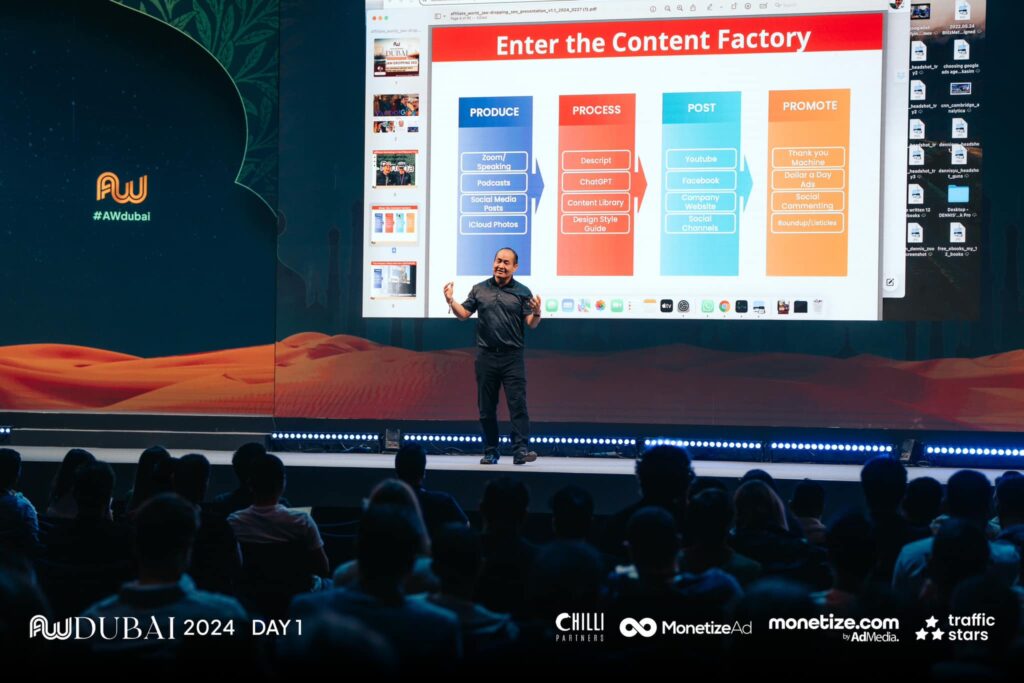
Doing this meant going back into Descript and editing the reel directly, which is exactly the kind of hands-on refinement that’s part of our Content Factory workflow. In this case, the video required small, context-matching authority inserts rather than big structural edits.

How I Selected the Clips (Blitzmetrics 30-Point Authority Rubric)

To make sure every insert increased credibility (not just visual variety), I graded each clip using the Blitzmetrics 30-point authority rubric:

  • Who is saying it (10 points): Is Dennis clearly positioned as the expert?
  • Where is it being said (10 points): Is the platform or venue high-trust (major media, respected institution, credible event)?
  • What is being said (10 points): Is the message expertise-forward and specific (not generic hype)?

Only clips that scored strong across all three categories made the cut.

So I followed two simple placement rules:

Fill Low-Variety Sections With Real Proof

Where the visuals stayed the same for too long, I added short clips that brought both energy and credibility. That way, the reel stays engaging and the viewer keeps seeing Dennis in real authority contexts.

Replace Stock Moments When It Clearly Raised Authority

Where stock visuals were doing the job of “filler,” I replaced select moments with real footage that carried more credibility.

The High-Authority Clips I Added

1. Speaking at Loyola University Chicago (School of Communication)

  • What the Clip Shows: Dennis speaking on a Chicago business/digital webinar hosted through Loyola University Chicago’s School of Communication, seated on a panel alongside other professionals, with a live student audience present.
  • Why It Adds Authority: University setting + professional panel context adds institutional credibility, and the message is expertise-forward (urging students to help small businesses learn online promotional methods and tools).

2. On The Day (DW News) Covering Zuckerberg’s Congressional Hearings

  • What the Clip Shows: Dennis appearing on The Day (DW News) as a Facebook expert, commenting on Mark Zuckerberg’s congressional hearings.
  • Why It Adds Authority: National-level news coverage + expert framing + Facebook-specific analysis creates immediate third-party validation.

3. On CNN Discussing Facebook Trust Challenges
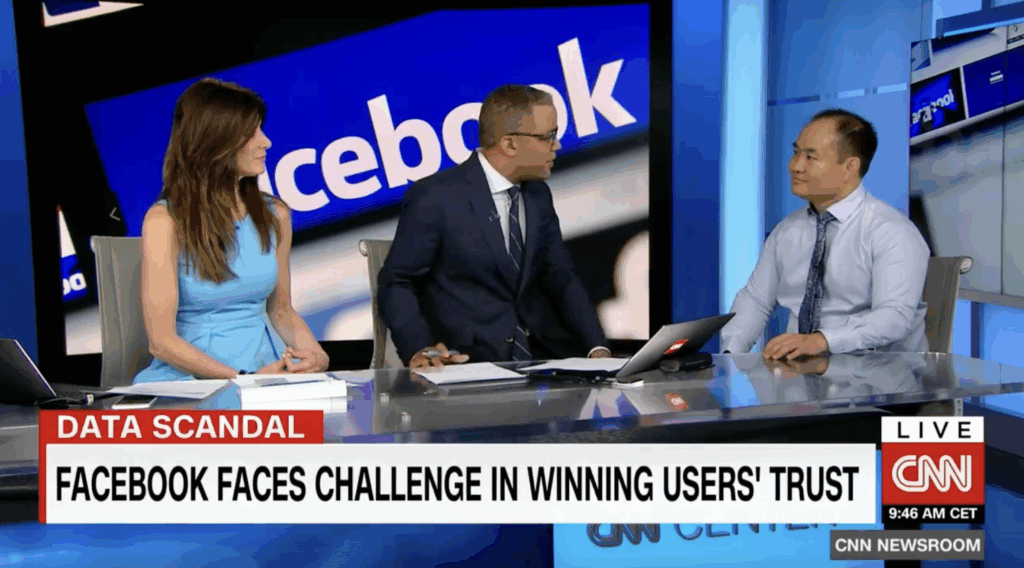
  • What the Clip Shows: Dennis on CNN discussing how Facebook faces a challenge in winning users’ trust.
  • Why It Adds Authority: Another top-tier news outlet reinforces that he’s sought out to explain Facebook and content-related issues at a professional level.

4. Speaking at Social Media Day in Jacksonville
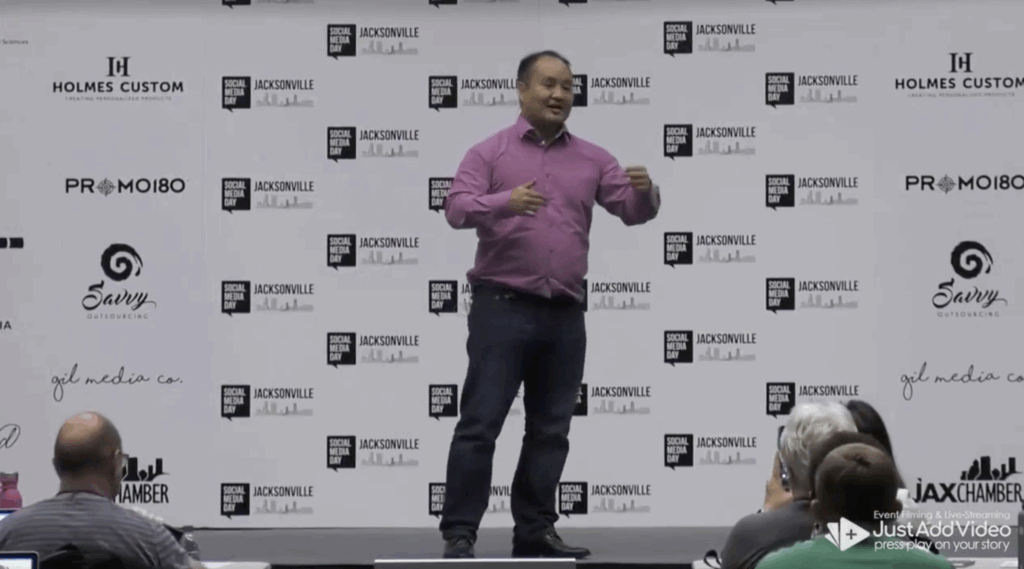
  • What the Clip Shows: Dennis speaking at Social Media Day in Jacksonville in front of a large audience about digital marketing.
  • Why It Adds Authority: Stage authority + crowd size + event credibility signal he’s trusted to teach at scale because he’s an expert in the field.

5. Creating a Video with Jake Paul

  • What the Clip Shows: Dennis and Jake Paul speaking directly to the camera for a video.
  • Why It Adds Authority: Jake Paul’s high public visibility signals that Dennis operates within prominent creator and media circles, reinforcing his credibility in high-visibility digital environments.

6. With Dan Antonelli (Home Service Branding Conversation)
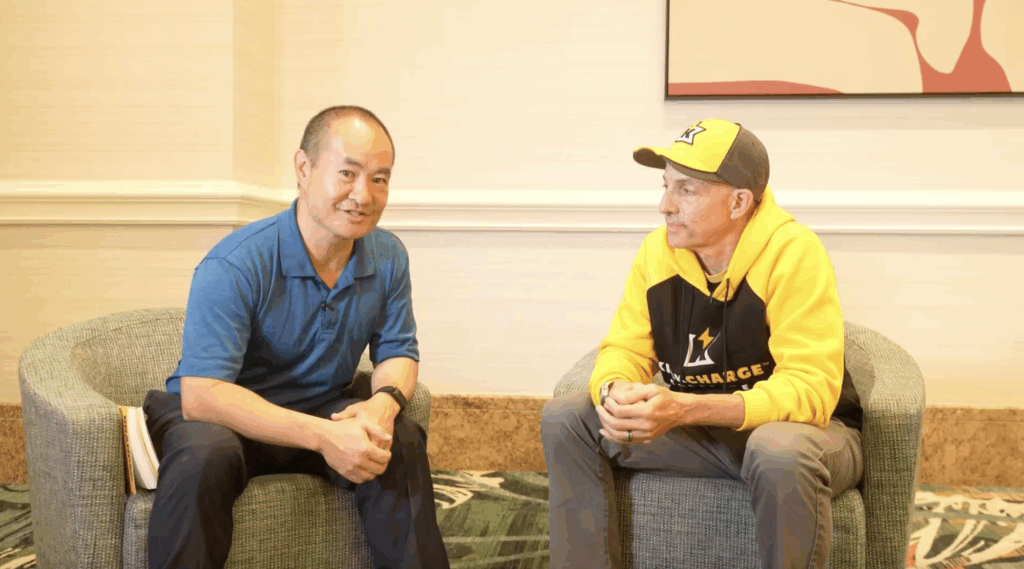
  • What the Clip Shows: Dennis sitting down with Dan Antonelli for a recorded conversation (YouTube/interview style).
  • Why It Adds Authority: Dan Antonelli is the founder and creative director of KickCharge Creative, a leading branding agency in the home services industry, and is widely recognized for helping contractors build strong, differentiated brands. Being positioned in a peer-level conversation with one of the most established names in home service branding reinforces Dennis’s authority as someone operating at the same professional tier.

7. Mentoring Jack Wendt (Mentorship / Coaching)

  • What the Clip Shows: Dennis coaching/mentoring Jack Wendt in a working session context.
  • Why It Adds Authority: Mentorship footage is “authority in action” — it positions Dennis as the teacher/operator guiding other builders. Jack Wendt is a successful AI Apprentice, and a founder of High Rise Influence, reinforcing that Dennis is training real operators, not hypothetical students.

8. Speaking with Marko Sipilä (HVACQuote.ai / CoatingLaunch)

  • What the Clip Shows: Dennis speaking with Marko Sipilä on video, explaining concepts and sharing insights.
  • Why It Adds Authority: Marko is a successful AI Apprentice mentored by Dennis, founder of HVACQuote.ai (helping home service contractors convert leads with instant quotes) and previously scaled CoatingLaunch into a powerhouse in the concrete coatings industry. Training a proven operator reinforces Dennis’s authority as someone successful entrepreneurs learn from.

9. With Dr. Glenn Vo at His Dental Practice
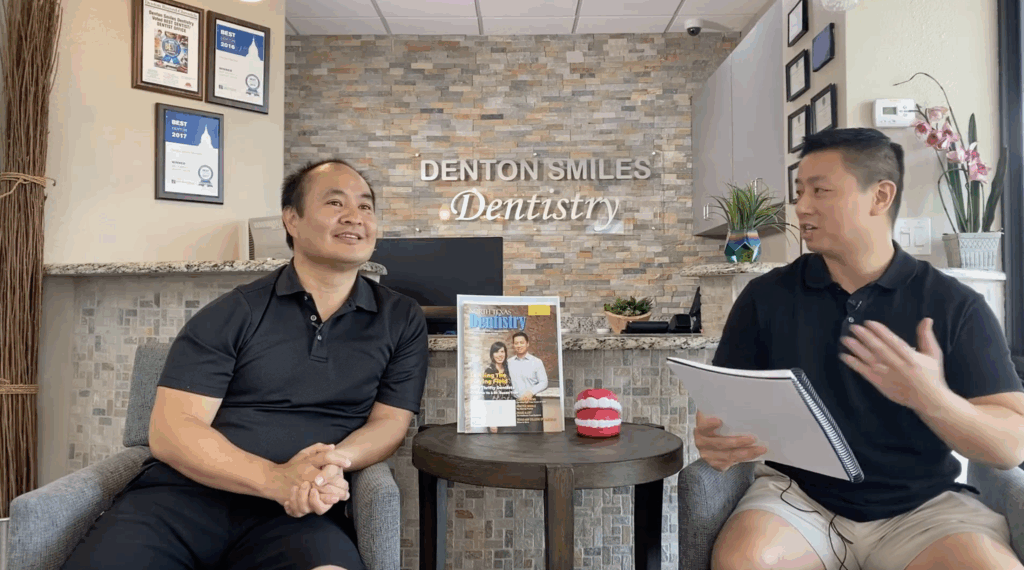
  • What the Clip Shows: Dennis on-site with Dr. Glenn Vo inside Denton Smiles Dentistry, speaking in a real business environment.
  • Why It Adds Authority: This is industry-proof — Dennis is working with a recognized dentistry leader and practice owner, reinforcing “trusted by professionals with real businesses.”

10. With Michael Stelzner (Industry Conversation)
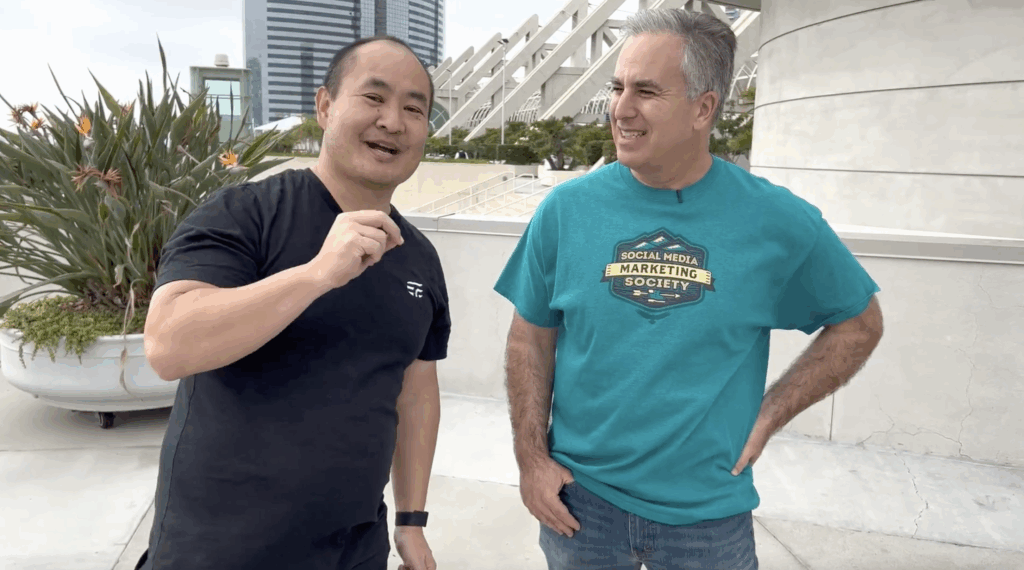
  • What the Clip Shows: Dennis in conversation with Michael Stelzner.
  • Why It Adds Authority: Michael Stelzner is the founder of Social Media Examiner, so this adds strong peer/industry credibility and signals Dennis is connected to respected leaders in the social marketing space.

Why These Small Inserts Matter

Edits like these are small individually, but they raise the authority signal of the entire asset. These edits don’t change the story — they reinforce it with clearer visual proof. When the strongest moments are easier to see, every future reuse of the asset performs better.

The original reel already communicated Dennis’s message well. My edits didn’t change the story — they strengthened the evidence behind it.

By adding real-world authority footage in the right places, the reel gains:

  • Higher credibility density
  • Better pacing (fewer flat stretches)
  • Less “generic” feel where stock visuals used to carry the load

The structure stays the same; the evidence on screen is stronger.

What This Demonstrates

Small, precise upgrades like these make an already strong reel feel more grounded and more representative of Dennis’s real-world authority. The structure stays the same, but the presence feels sharper and more credible.

It’s a small edit, but it makes the final piece line up more clearly with how Dennis actually works and shows up in real life.

I Love to EEAT

Over 80% of the internet is spam and your website is guilty until proven innocent.

Google decides who’s innocent using EEAT—experience, expertise, authority, and trust.

As a search engine engineer at Yahoo! 25 years ago, my job was to protect the algorithm from spam sites or info that wasn’t relevant from appearing on your results page.

25 years later Google still implements roughly the same guidelines.

Google’s guidelines for sorting what websites were relevant for a long time was EAT, which stands for expertise, authority, and trust.

In layman’s terms, if you want your site to benefit from SEO you have to demonstrate you’re an expert in your field, you’re authoritative on the subject your website is about, and show that enough people trust you.

The benefits for doing this was an increase in your site’s rankings, allowing you to rank higher on the search terms you care about and to give your site more “SEO Juice”. If your website is guilty until proven innocent, implementing EAT was your proof of innocence.

A few months ago Google changed EAT to EEAT, adding an extra E for experience.

Now – Google wants to see more stories of who you’ve helped and videos of how you’ve helped them. It wants to give priority to businesses who overwhelmingly prove they do what they say they do, in the area they say they do it in.

Many “SEO Experts” will claim that they have some secret black hat formula for increasing site rankings. But real search engineers like myself know that implementing proper EEAT is the most important “SEO trick” you can do for your website to grow your SEO.

Whether it’s to get more calls for your local service business, get more sales for your book, or get your name out there so you can get a Google Knowledge Panel, this is how you do it.

Here’s how to implement EEAT with examples, so you can do it too.

Expertise

When you’re sick, why do you visit a doctor’s office instead of self-diagnosing?

It’s because they know more about health and the human body than you do.

The reason why anyone trust anyone else is because they’ve done or seen something before, know what it is, and know how to fix it.

The reason I speak at over 50 conferences a year is because of that level of expertise which has taken decades to generate in the field of digital marketing.

If you visit my website, DennisYu.com, you can see that expertise in the articles I write and the problems I’ve helped solve. Many local service business do this in the form of FAQ’s.

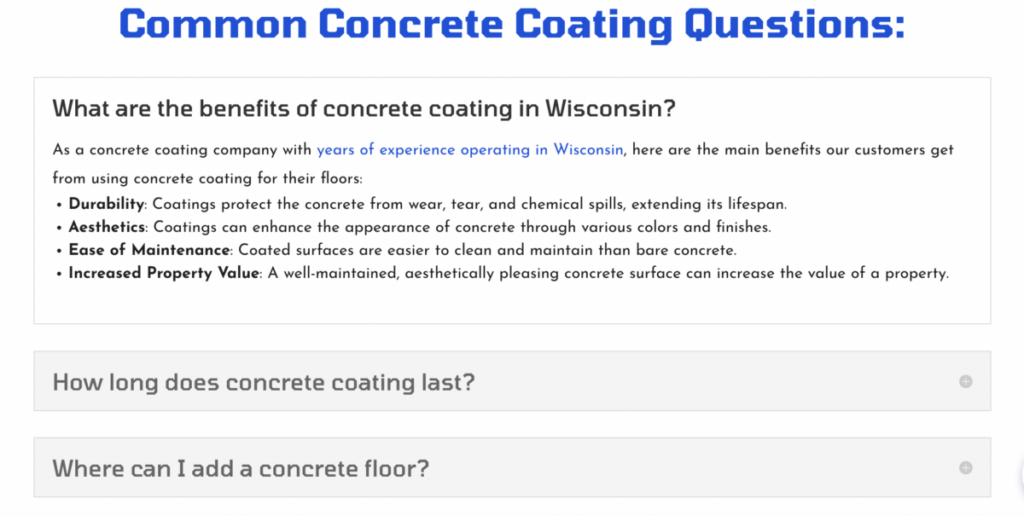
Take for example my friend Greg Beebe, who runs Excel Concrete Coatings. What he’s done is take PAA (people also ask) questions on google related to concrete coatings and answered them directly on his website.

Excel Concrete Coatings answering Google PAA questions

This is just one of the many ways you can demonstrate expertise to Google and to your customers.

What’s something that you document on your website that few others know in your field? What makes you an expert in your line of work?

PAA questions are a great way of demonstrating expertise, but truly think about what questions you can answer on your website that show you’re an expert.

Experience

Using the doctor analogy, would you trust a surgeon to give you heart surgery who’s never done the operation before? Probably not.

So why then, would you pay an agency or local service business who has no proof they’ve done anything successful before?

Google (and the people who you want to buy your offer) want you to show overwhelming experience that you do a good job at what you say you do, in the area you say you do it in. The best way to demonstrate experience for Google and your clients is with stories.

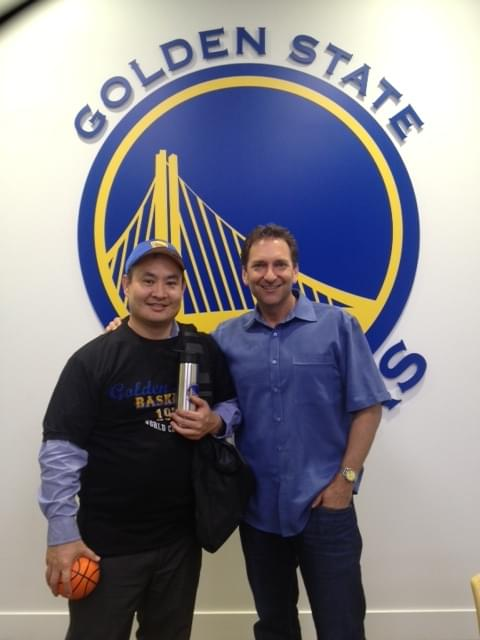
For example, if you Google “Dennis Yu” you can find stories about how I’ve ran ads for the Golden State Warriors, how I’ve spent $1 Billion on Facebook Ads, and how I’m training up young adults to be successful agency owners.

Dennis Yu at Golden State Warriors Headquarters

One way you can do this as a local service business is to talk about other customers and document your work.

Take our friend at Oasis IV Therapy in Tampa. They run a mobile IV therapy clinic and one thing they do a great job at is taking photos and getting feedback from their customers.

Oasis IV Therapy With Their Customers

Google and you operate in roughly the same way. You want to see images, stories, and especially videos of a business doing what they say they do.

There’s no such thing as too many videos or too much documentation of your work.

Ideally, you should be using the Content Factory process to document these stories and repurpose them across all platforms.

For example, if you record a podcast with someone more influential – you should also be repurposing that into a blog post.

We want our stories and experience to exist on as many platforms as possible.

Your job as it relates to EEAT is to document your work on your website, GMB, and socials for Google and your customers.

Authority

The best way to leverage authority for your personal brand or business is to borrow someone else’s.

When you see an image of me debating Mark Zuckerberg on CNN, that alone gives me tons authority I didn’t have before.

Dennis Yu Debating Mark Zuckerberg on CNN

You can demonstrate this by using the 3 components of authority.

These are content, people, and properties. Each do a great job at helping the other.

Content is what you put out into the world. Whether that’s articles like this one, short form videos on Instagram and Facebook, or long form videos on YouTube.

Content is authority we can link to and reference.

Just like how this article is content we can point to for anyone asking about EEAT, you should have existing content which explains what things are.

Despite what internet gurus some claim, you don’t need to have a million followers and drive a lambo to show authority. You just have to have documented proof.

People is the cornerstone of authority and arguably the most important.

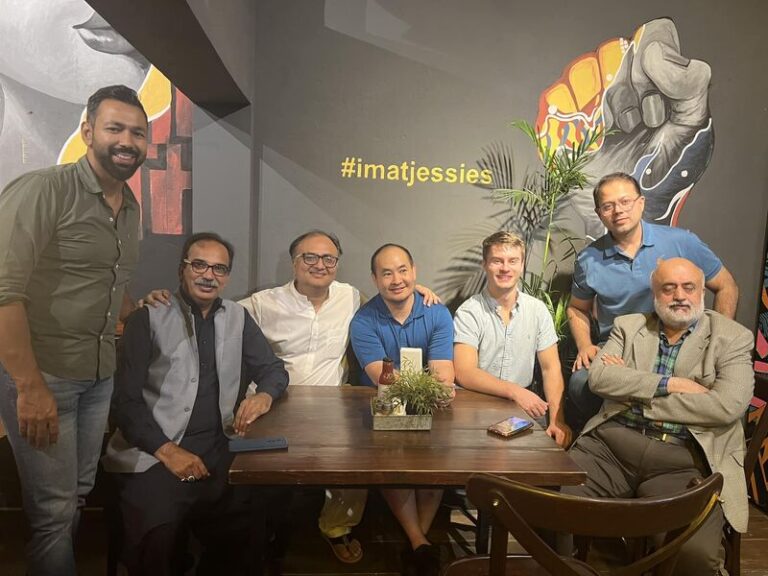
Dennis Yu with Rehan Allahwala in Pakistan

Relationships run the world. Networking with others that share your mission is a great way to elevate your authority while promoting others at the same time.

This doesn’t have to be a parasitic relationship. Being seen, working on projects, and being available for others means you can help them.

That leads to authority from others since you’re working closely on a shared mission.

For local service businesses, this means using a geo-grid and talking to others in your industry.

For example, if you’re an HVAC company in Boston you should be sharing links, interviewing, and working with another HVAC company in LA.

This tells Google (and your customers) that you’re authoritative since you can borrow the authority from others in your industry.

Lastly, it’s properties. This can be your website or business itself.

Having something real that’s documenting in Google and for your clients means that you’re a real person or business doing real work.

That’s why you should be investing in your own website as per our personal branding course.

Trust

Trust means that others can trust you with their time and money.

There’s certain trust markers that you should aim for your personal brand or business.

For example, our client TLS Insulation has over 1,000 combined 5-star reviews on the Google business profiles.

What this means, is that enough people have used their service and gotten positive results that the signal to Google is incredibly strong.

Books are another way to demonstrate trust since, since so few have them on authoritative subjects.

And with Dollar a Day on Amazon, you can get your amazon book to bestseller status fairly easily.

Dennis Yu showing his book on TikTok Advertising

A good practice is asking yourself, “Why do people trust my business?”. And then answering the question in a way people can understand.

The beautiful thing about EEAT is how every component feeds into the other.

By networking with others, your boosting your authority, which in turn helps your trust.

The thing that’s most important here are stories.

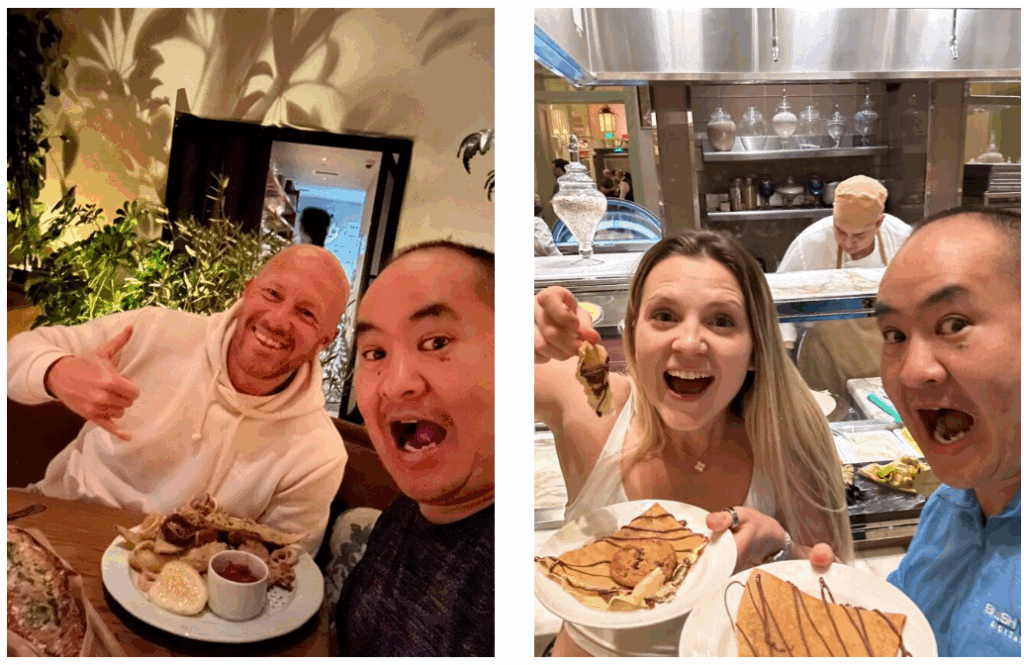
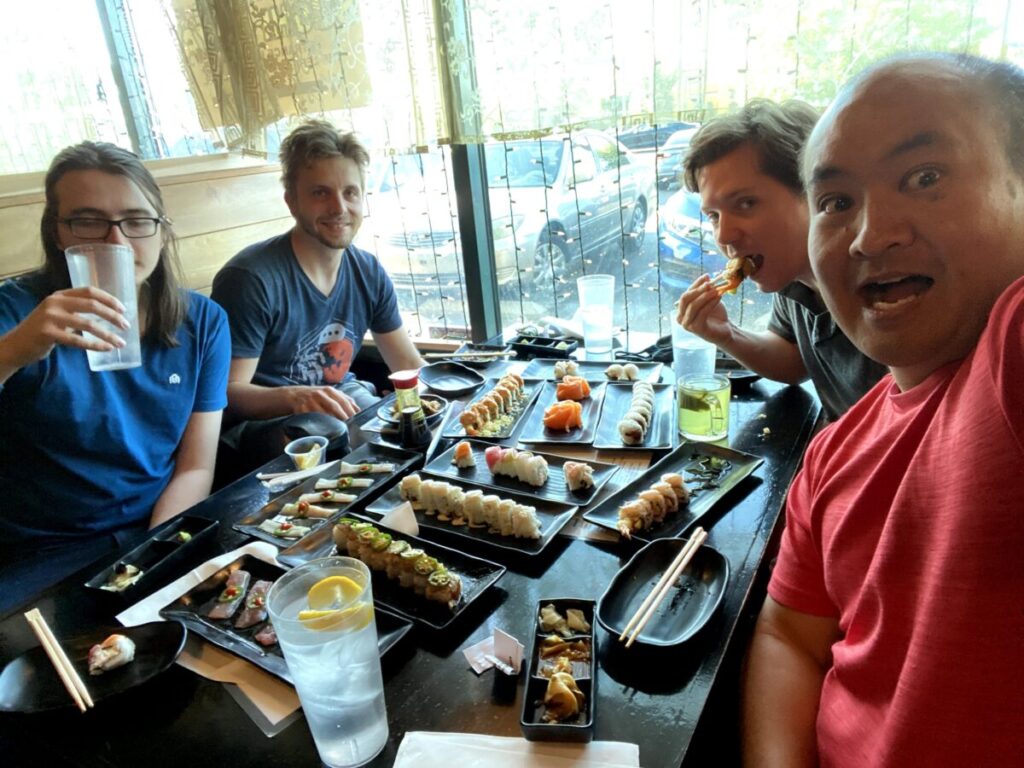
The AI doesn’t have your stories. It doesn’t have your moments – where you’re in Austin eating tacos with your friend or hanging out and eating steak.

Because AI is not human, with those stories, Google is able to determine whether it’s content that deserves rank or was it content that was just created for the search engines. 

You may have heard of the difference between synthetic content vs real content. I can pick a photo or a video from my personal phone gallery – Google knows exactly what device I’m using, where the media was taken – it has all sorts of information.

This is what Google’s looking for – a signature of trust.

When I take these stories that started out as photos or videos, they can then be turned into blog posts. 

If you start with your actual content, ChatGPT like any tool or any technology is an amplifier of what you already have. If you start from nothing, nothing times a million is still nothing.

So if you start with a seed of stories and friendships that we have, we can add pictures and videos to enhance the initial seed, the nugget that I put in initially. That’s where people are getting it wrong with AI.

Using AI to auto generate everything is where Google will eventually catch you. As Bill Gates has said, AI is a multiplier of what you already have.

So it’s what you put in the machine – you’re going to get 10 times more of it.