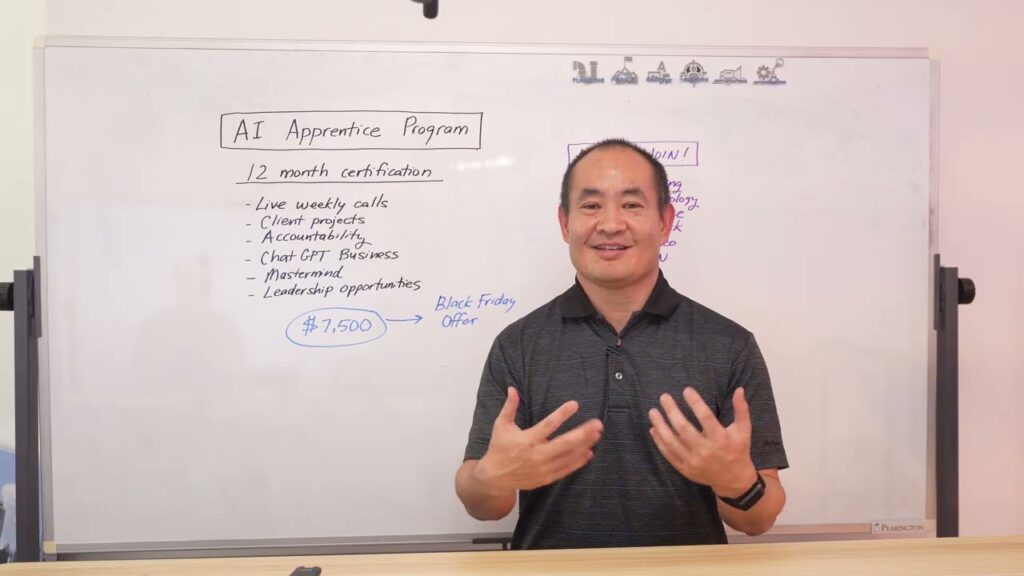
AI Apprentice Program

Imagine your young adult becoming the person who actually makes phones ring for real local businesses using AI, proven marketing systems, and hands-on apprenticeship.

This is learn-by-doing, directly with Dennis Yu and Jack Wendt, inside a community of 400+ motivated young adults building real skills, real experience, and real income.

Why this program exists

Local service businesses (plumbers, landscapers, roofers, dentists, HVAC, contractors ) are drowning in agencies that overcharge and underdeliver.

We train young adults to become the opposite.

Your young adult becomes the AI-powered marketing operator who:

  • Makes the phone ring.
  • Ranks businesses on Google.
  • Creates videos that convert.
  • Uses AI agents to scale execution.
  • Runs Dollar-a-Day ads.
  • Fixes bad SEO and exposes fake agencies.
  • Drives measurable revenue for a real client (often your business).

They don’t graduate because a calendar year passed.
They graduate when they can prove they can drive real leads at an acceptable cost per result.

Success stories

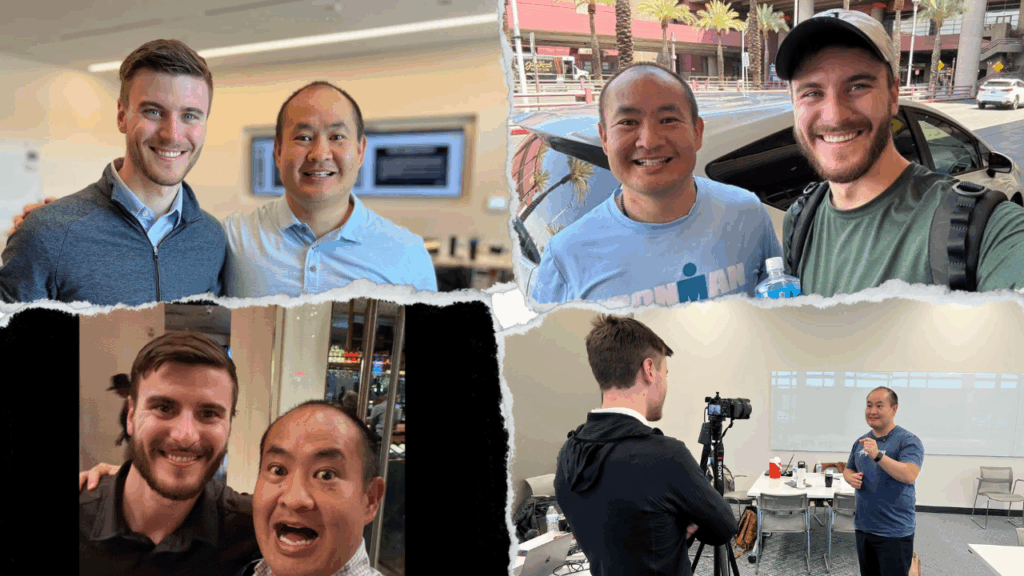
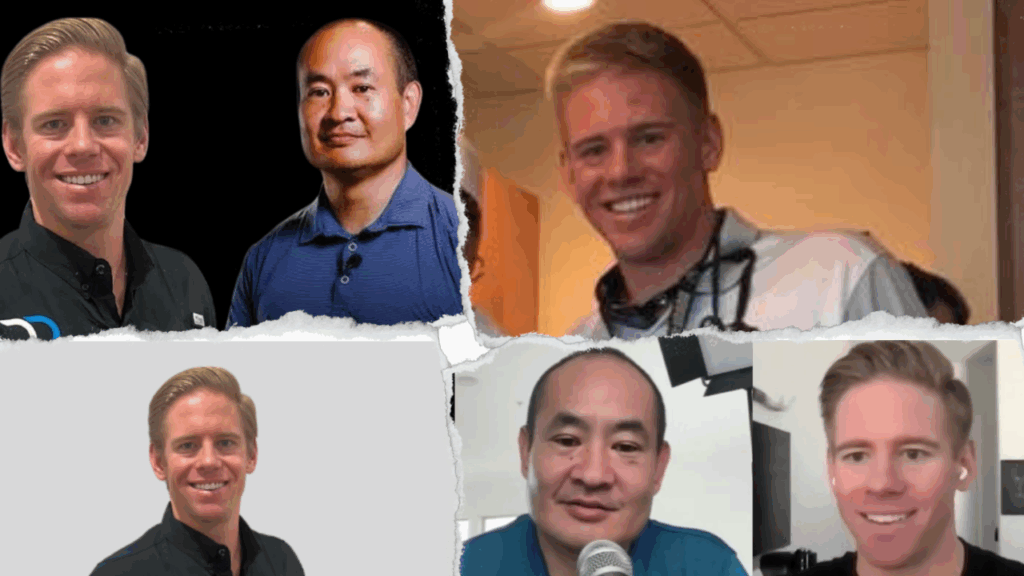
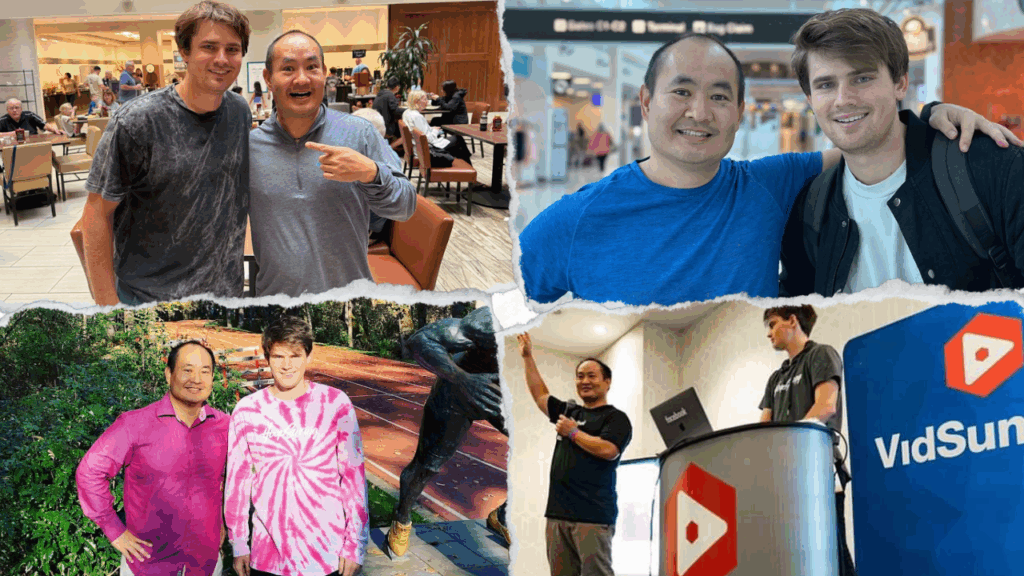
Dozens of professionals (from young apprentices to established business leaders) have sharpened their marketing skills and launched new opportunities through mentorship and collaboration with Dennis and Jack.

Ethan Van De Hey

Went from a stuck marketing role to leading campaigns at Infinity Exteriors.

After mentorship from Dennis, he mastered Dollar-a-Day ads and storytelling frameworks that now generate measurable ROI for a multimillion-dollar construction company.

Dylan Haugen

Former high-school athlete turned content creator and host of the Dunk Talk Podcast.

Under Dennis’s guidance, Dylan transformed his already extensive library of viral content (amassing over 100 million organic views) into a structured personal brand with real authority.

He learned how to make his online presence visible on Google through his personal brand website, articles, and structured data, ultimately earning his own Knowledge Panel.

This shift turned his reach into lasting digital credibility.

Marko Sipilä

Started with BlitzMetrics as a teen and built a seven-figure agency by applying Dennis’s mentorship framework.

He’s now mentoring other young marketers around the world.

David Carroll

Agency owner who credits Dennis for his growth in digital marketing and strategy execution, applying the same processes that power Fortune 500 campaigns.

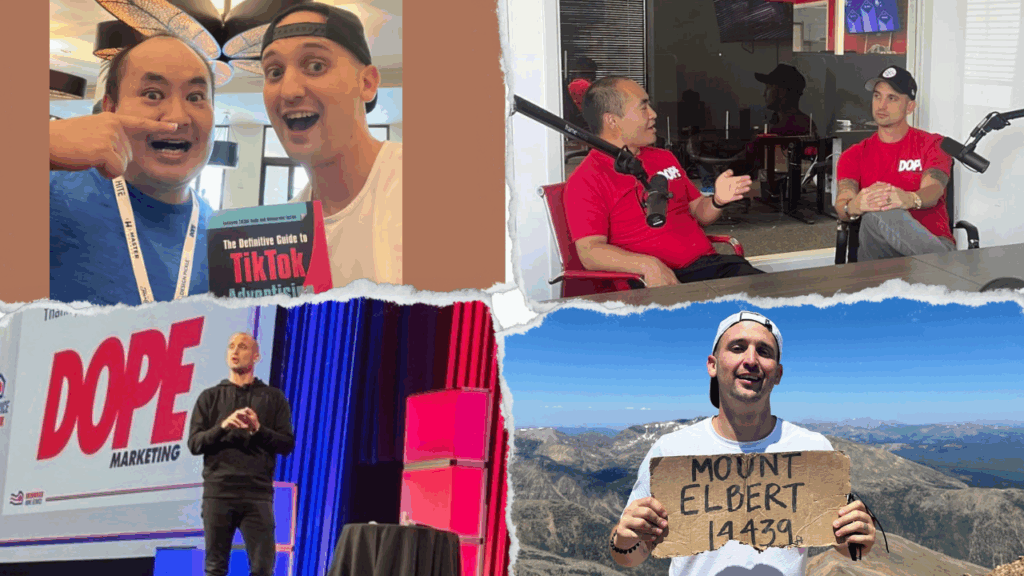
In 5 years, David Carroll has led his innovative print marketing company Dope Marketing to be evaluated at $100 million.

Heather Dopson

Industry leader and keynote speaker who collaborates with Dennis Yu on mentorship and professional development programs, embodying the “learn-do-teach” philosophy.

Caleb Guilliams

Founder of BetterWealth and long-time mentee of Dennis.

His storytelling-driven approach to financial education reflects the systems Dennis helped pioneer.

Natalie Ferreyra

From social media consultant to leading roles at Snap Inc. and now Netflix, Natalie’s career showcases how mastering core marketing frameworks and consistent execution can open doors to global opportunities.

Taylor James

Owner of Dumpster Dogs in Austin, TX.

Taylor was paying an SEO company $750 a month for “optimization” that delivered zero measurable results until he learned how to do it right through mentorship from Dennis.

In just a few weeks, he learned to spot fake SEO tactics, take control of his own analytics, and build true authority the right way by creating authentic one-minute videos, writing helpful blog posts, and connecting with other local businesses.

Brennan Agranoff

Six years ago, Brennan was stitching socks by hand in his parents’ garage.

Today he’s built a seven-figure sock brand, a logistics company, and a software platform while becoming one of the clearest examples of what happens when you combine grit with systems.

We’ve put him on stages across the country to teach how the Content Factory works in real life: hiring and training VAs, building scalable SOPs, and applying the 9 Triangles to grow from “kid with an idea” to a multi-business operator.

Brennan shows young entrepreneurs exactly what’s possible when you follow the framework and put in the reps.


What your young adult will actually do

All apprentices work on a live client project.

If they’re doing this for your business, perfect.
If they’re joining solo, we assign them a client.

During the first 90 days they:

Produce

— Capture authentic, short-form videos (15–60 sec) using just their phone.
— Coach business owners on what to say and how to say it.

Process

— Edit in Descript or CapCut.
— Subtitle, trim, format.
— Follow the SOPs step-by-step using AI agents.

Post

— Upload across YouTube, Facebook, Instagram, LinkedIn, and website.
— Use correct titles, descriptions, hashtags, schema markup.
— Fix broken websites and analytics setups.

Promote

— Boost top-performing content using Dollar-a-Day.
— Set up retargeting.
— Improve Google entity authority.
— Optimize Google Business Profiles.
— Run Google, Meta, and LSA campaigns.

Measure

— Track calls through CallRail, ServiceTitan, or similar.
— Submit weekly MAA (metrics, analysis, and action) reports.
— Identify what’s working and what’s not.
— Present findings clearly and confidently.

This system is the same framework we used with Nike, Adidas, Red Bull, Quiznos, The Golden State Warriors, Rosetta Stone, Johns Hopkins University, and thousands of local service businesses.

How the program works

Weekly live coaching

Every Thursday at 2 PM Pacific.
You bring real problems, we solve them live.

Hands-on implementation

Not homework.
Real campaigns.
Real budgets.
Real phone calls.

Weekly reports

Every apprentice submits a weekly MAA report.
Even if they’re traveling.
Even if it takes 3 minutes.

Active AI tools & agents

Each student gets access to our internal AI agents that we burn $15–20k/month maintaining in credits and tooling.

Your young adult learns to be the manager of these agents, the true skill of next-gen marketing.

Community & accountability

Inside the private Facebook group, students help each other, solve problems, and collaborate 24/7.

This is a group of A-players who compete, push each other, and level up.

Who this is for

Young adults who:

  • Want real skills and real-world results.
  • Can follow checklists.
  • Can communicate clearly on video.
  • Are humble, hungry, and willing to put in the reps.
  • Want a portfolio of work they can show to any employer.

Parents & business owners who want:

  • A capable young adult running their marketing.
  • Authentic content instead of agency BS.
  • More phone calls and better visibility.
  • A system that has already worked for hundreds of local businesses.

You must be:

  • Based in the United States.
  • Working with (or willing to work with) a Local Service Ads category business.
  • Willing to put in at least 5 hours per week.
  • Not afraid of learning new tools.
  • A decent human being who doesn’t complain, whine, or ask for refunds every time life gets hard.

If you’re an excuse-maker, a complainer, or someone who needs hand-holding, don’t join.

Who this is not for

  • People outside the U.S.
  • People running e-commerce, SaaS, or crypto projects.
  • People who want “motivation” instead of execution.
  • People terrified of video.
  • People not willing to submit weekly reports.
  • People who want babysitting.
  • People who want to “try it for a week.”
  • People who don’t want to give back or help others.

We’re building a culture of execution, accountability, and mentorship.
If that scares you, this isn’t for you.

Program cost

$7,500 for the full year.

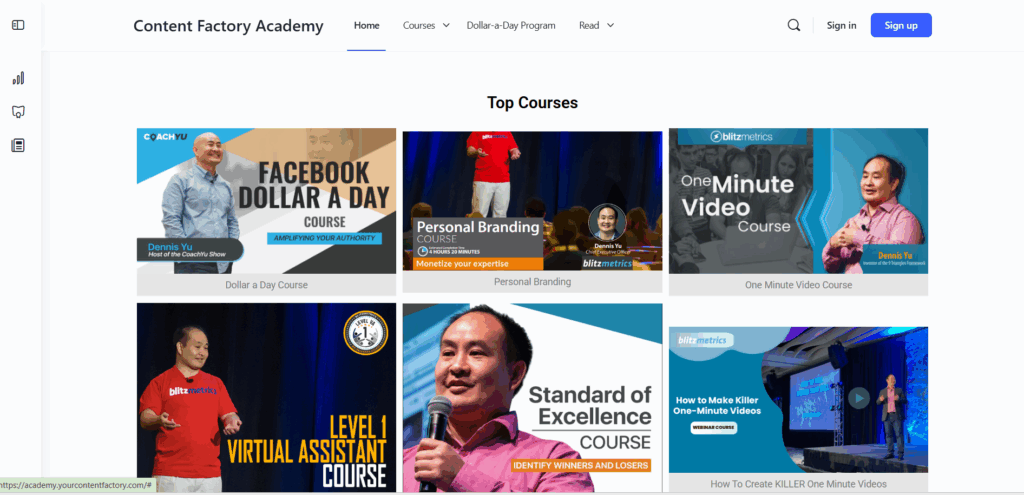
You’re investing in weekly coaching, AI tools, SOP library (hundreds of checklists), full Content Factory pipeline, over 140 courses (constantly updated), access to our AI agent system, a real client project, accountability and mentorship, a community of peers, and a year of guided execution.

Before joining, we require a quick call to make sure it’s a mutual fit.

If we’ve already spoken and agreed you’re a fit:

If you’re all-in, committed, and willing to show up each week, you will win here.

If you’re looking for shortcuts, passive courses, or easy buttons, this isn’t for you.

We’re here to build the next generation of marketers who can run real businesses, manage AI agents, and drive measurable outcomes.

If that fires you up, welcome home.


How Jack Wendt & Dylan Haugen Coach Young Adults to Build Authority Through AI and Google’s Knowledge Graph

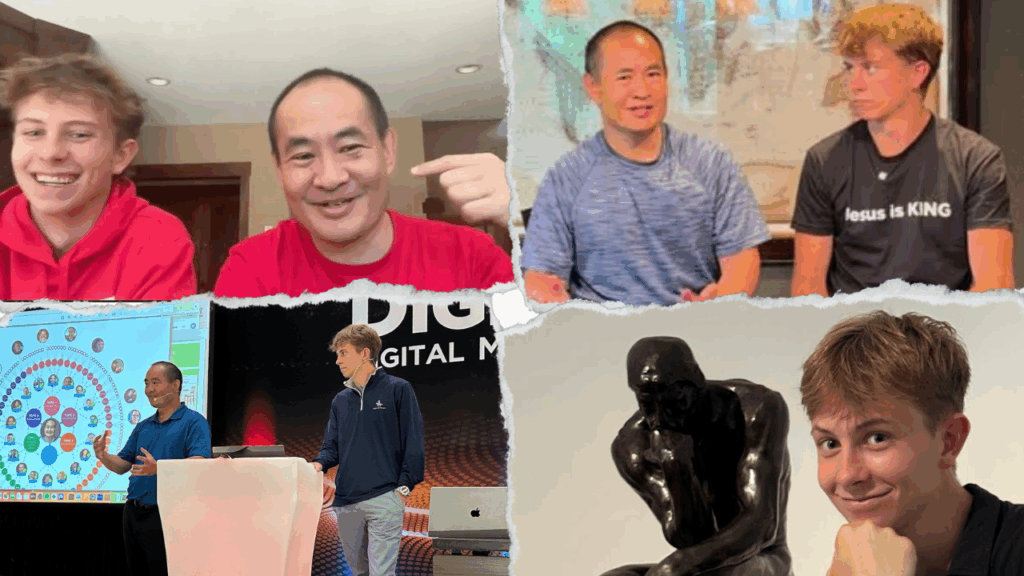
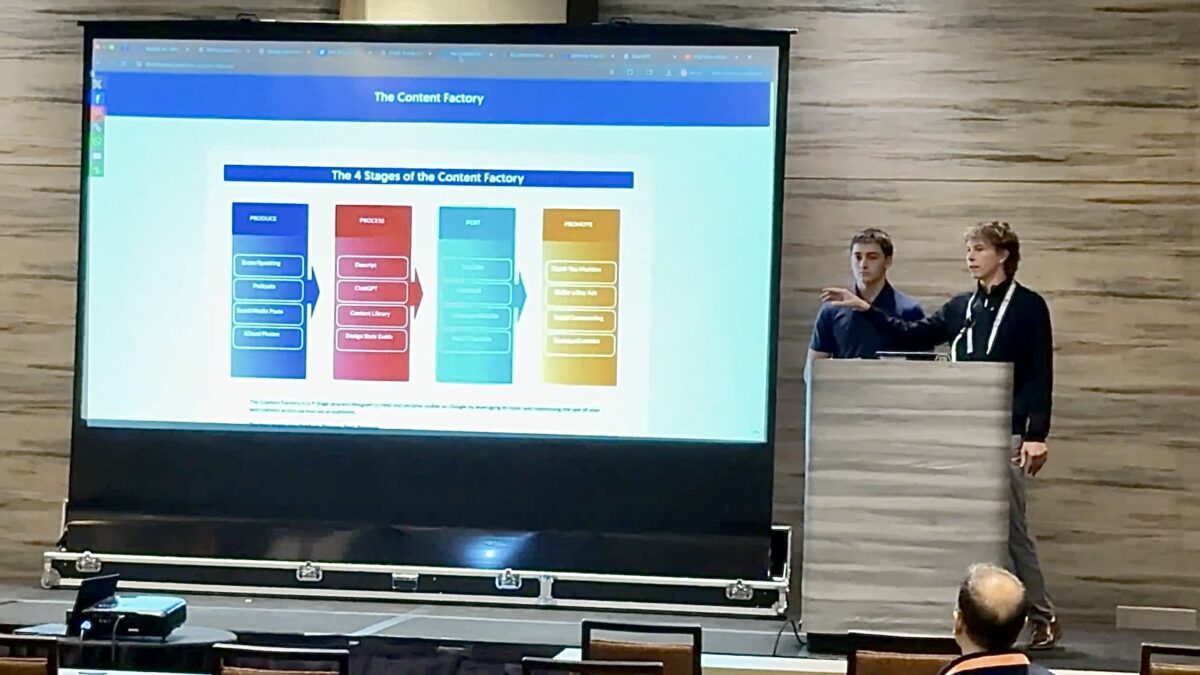
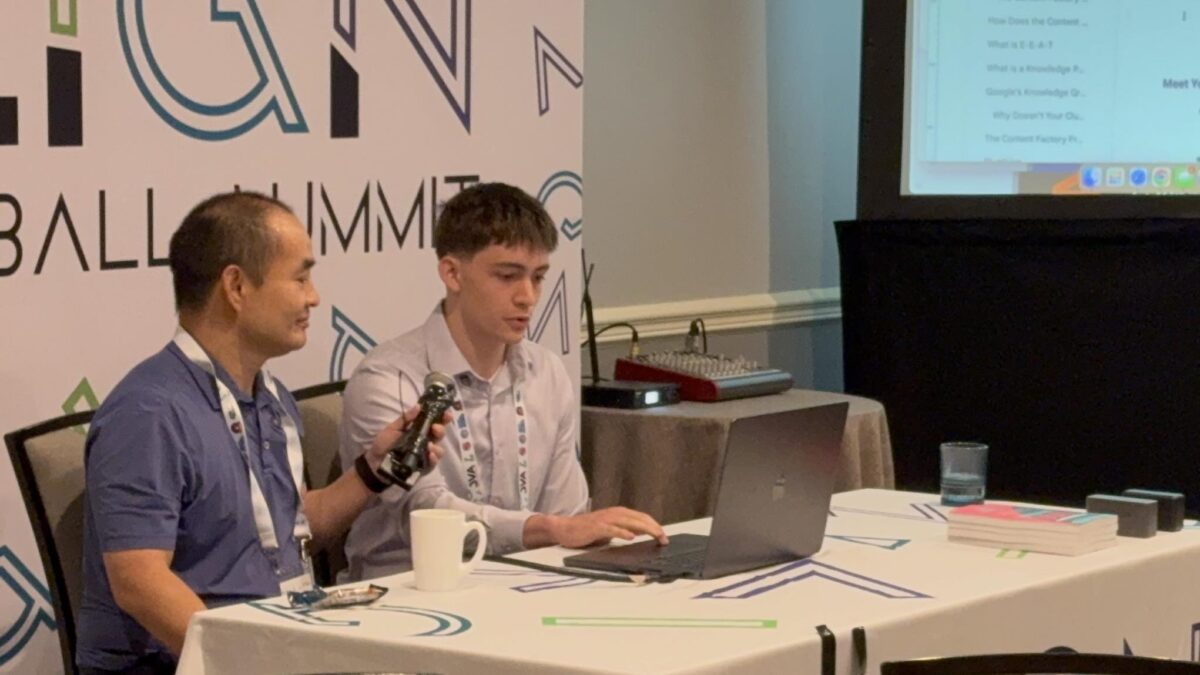
When Jack Wendt and I spoke at DigiMarCon Las Vegas 2025, our goal wasn’t just to teach marketing systems — it was to show how young adults can learn to build digital authority using AI, Google’s Knowledge Graph, and structured personal branding systems.

Through High Rise Influence and our coaching package, High Rise Academy, we’ve been training students to take these same tools and frameworks and apply them to real-world clients — often their parents’ or sponsors’ local service businesses. The results have been powerful: students gain tangible experience, and business owners get measurable growth in visibility, reputation, and authority.

The Topic Wheel: Coaching People to See Their Story

We opened our session with the Topic Wheel, a framework originally developed by Dennis Yu to help individuals map their expertise and professional network.

In the middle sits your name. Around it are your six core topics — the key areas you want to be recognized for. What makes this framework so valuable is the connections it reveals. Each topic branches to people you’ve collaborated with — mentors, clients, and peers.

For example, Jack shared how his first mentor, Caleb Williams, founder of BetterWealth, helped him discover his purpose and eventually introduced him to Dennis Yu. That one connection led to a chain of opportunities that shaped both of our paths — and that’s what we coach our students to recognize: authority grows through relationships built on shared content and collaboration.

When our students map their own Topic Wheels, they begin to understand how their interests, work, and connections form a digital fingerprint that Google can see — one that can be built into lasting authority.

The Content Factory: Turning Coaching Into Action

Once you’ve mapped your expertise, the next step is turning your real-world experience into structured, shareable content. That’s where the Content Factory comes in — the four-stage system we teach inside High Rise Academy:

  1. Produce — Capture what’s already happening: interviews, team meetings, client calls, or training sessions.
  2. Process — Use AI tools like Descript to clean up audio, remove filler words, and transcribe content automatically.
  3. Post — Repurpose that material into videos, blogs, or short-form posts for multiple platforms.
  4. Promote — Test which content performs best with strategies like the Dollar-a-Day ad method and scale from there.

We tell every student: the hardest step is just pressing record. Once content exists, the rest can be automated with the right tools and structure.

For example, we had students film five-minute clips interviewing a family business owner. They used Descript to edit the footage, exported it for YouTube and Facebook, and then generated blog posts using a custom GPT trained on our writing standards. Within a week, those small businesses had content outperforming their competitors — all while our students learned real skills that transfer to any career in marketing or media.

The Google Knowledge Graph: Understanding Digital Trust

We then demonstrated how Google’s Knowledge Graph is the backbone of modern authority. Every recognized person, business, or brand is assigned a Knowledge Graph MID — a digital ID number used by Google to verify who you are and what you’re known for.

We pulled mine up live — Dylan Haugen, trust score 259 — and explained what it means: Google has enough consistent data from multiple verified sources to confidently associate me with my work, media mentions, and social content.

We use this same concept in coaching. For our students, the Knowledge Graph becomes a tangible way to measure progress. As they help real clients organize websites, link social accounts, and publish consistent content, they see those clients’ digital trust scores grow — and sometimes even reach the point where Google generates a Knowledge Panel (the “blue checkmark” of search).

This transforms abstract lessons about SEO and branding into real, measurable outcomes — and it gives young professionals a way to prove they can deliver results.

AI Tools in Coaching: From Learning to Application

During our talk, Jack showed the audience how we use Descript and Custom GPTs in our workflow. Using just a YouTube link, Descript imported the video, transcribed it automatically, and with a few clicks, removed filler words, shortened pauses, and improved audio quality.

From there, we took that transcript into our in-house writing assistant, Jennifer, a custom GPT designed for the High Rise content process. We demonstrated how to refine AI output — removing emojis, bullet lists, and generic phrasing to create content that sounds professional, human, and true to the speaker’s voice.

This hands-on process is exactly what we coach. AI should not replace creativity — it should amplify it. Our students learn to collaborate with AI, giving clear direction and improving the work it produces. That’s what separates automation from craftsmanship.

Mentorship in Action: Learning by Doing

A major part of our mission at HiRISE Influence is mentorship through real work. Inside High Rise Academy, students don’t just learn from lessons — they gain experience by implementing these systems for actual businesses.

Students get matched with real clients — local service businesses that need help building their personal brands. The students create and manage content using AI systems, measure Google authority scores, and apply everything we teach in a live environment.

This structure bridges generations: business owners share experience and trust; students bring digital fluency and energy. Together, they produce meaningful work that benefits both sides — and both learn in the process.

The Future of Coaching: From Training to Implementation

At High Rise Influence, everything we do is built around the Learn–Do–Teach model. We don’t just teach theory — we coach young adults to implement what they learn through hands-on mentorship.

That’s why our collaboration with Local Service Spotlight and their Spotlight Core program is so powerful. While Spotlight Core provides affordable personal brand websites and authority-building systems for business owners, it also gives our students a live environment to apply their training.

Inside High Rise Academy, our students use these same frameworks — the Content Factory, the Topic Wheel, and Knowledge Graph optimization — to help real businesses grow. They gain skills, build portfolios, and see the real-world impact of what they’ve learned.

That’s what makes our coaching unique: it’s not about memorizing concepts, but mastering them through execution and mentorship.

Final Thoughts

Speaking alongside Jack at DigiMarCon Las Vegas 2025 was an incredible opportunity to share what we’ve been building through HiRISE Influence and High Rise Academy. It proved that with the right structure, coaching, and mindset, anyone — whether a business owner or a student — can become a trusted authority online.

Authority isn’t claimed. It’s built, demonstrated, and reinforced through content, collaboration, and consistency. And our mission at HiRISE Influence is to help the next generation learn how to build it for themselves — and teach others to do the same.

From Garage Socks to a Global System: How Brennan Agranoff Became an AI Apprentice

Six years ago, Brennan Agranoff was in his parents’ garage making socks by hand.

Not figuratively.
Actually pressing them. Packing them. Shipping them. Learning the hard way what happens when demand outgrows hustle.

Today, he runs a seven-figure sock brand, a logistics company, a software company, and a growing ecosystem of businesses that reinforce each other instead of draining him.

People like calling him a “teenage millionaire.”
It’s catchy.
It also explains almost nothing.

Calling Brennan successful because he made money young is like calling Steph Curry successful because he shoots threes. True, but you miss the point.

What matters is how Brennan built leverage.

He became a full-stack AI Apprentice long before the term even existed.

The work nobody screenshots

Early on, Brennan plugged into our ecosystem: the Content Factory, 9 Triangles, VA training, and process-first thinking.

He showed up as an apprentice.

He documented what he did while he was doing it.
He handed off tasks instead of hoarding them.
He built processes so progress didn’t depend on memory or motivation.
He tested ideas until they failed, fixed what mattered, and dropped what didn’t.

Over time, the business stopped depending on a teenager pressing socks in a garage.

That was the real breakthrough.

The long game people didn’t see

We put Brennan on stages in New York, Los Angeles, San Diego, Phoenix, and Portland.

Some were big.
Some were small.
The smaller ones usually mattered more.

We recorded everything: workshops, interviews, behind-the-scenes conversations, collaborations with operators who actually build things.

Google saw it.
Cataloged it.
Connected the dots.

Today, his digital footprint looks like the résumé of someone who’s been operating at a high level for decades.

Why Brennan became the prototype

AI magnified what Brennan was already doing right.

AI replaces people who won’t learn.

With guidance, systems, reps, and accountability, AI becomes leverage instead of noise.

Brennan figured out how to scale output without scaling stress, how to turn content into authority, and how to let systems carry weight that most founders try to carry themselves.

That’s what makes him the template for an AI Apprentice.
Execution, week after week, without complaining.

The lesson for young adults paying attention

If you’re 17–25 and wondering where your shot is, this is what it looks like in real life.

You start small.
You do real work.
You document it.
You train someone else.
You systemize it.
You publish enough proof that search engines know who you are.

Then momentum replaces motivation.

That’s how Brennan won.

What happens next

Now imagine the next generation seeing the full journey instead of the headline.

The garage.
The reps.
The structure.
The mentors.
The process.

Imagine algorithms pushing stories like this to people with drive but no direction.

That future already exists.
It just depends on telling the truth instead of selling the myth.

Brennan Agranoff proves what happens when hunger, humility, systems, and AI line up.

If one kid from rural Oregon can build global leverage starting in a garage, the ceiling is structure.

And structure is learnable.

Leadership Lessons Behind David Carroll’s $100M Company

I met David Carroll over ten years ago when he was running a local home-service business. He didn’t come from a marketing background. He came from long days in the field, late nights trying to figure out how to get more customers, and an endless curiosity about why things worked the way they did.

That curiosity made him stand out. He wasn’t looking for shortcuts or “secrets.” He wanted to understand. That’s the first thing I teach every entrepreneur inside High Rise Academy—if you stay curious and keep testing, you can build systems that outlast luck.

Today, David runs Dope Marketing, a print automation company approaching a $100M valuation. He’s proof that the right combination of curiosity, consistency, and humility can turn local hustle into scalable infrastructure.

The student mindset

When I first met him, David was experimenting with Facebook ads, CRMs, and every kind of list imaginable. He’d show me screenshots of tests he ran overnight—different targeting rules, landing pages, and lookalikes. He wasn’t trying to look smart. He was trying to learn.

“If someone else has figured it out, I know I can learn it too,” he said. “I’ll just work harder until I understand it.”

That mindset hasn’t changed. Even now, when he’s leading a fast-growing team, he’s still a student first. Every conversation we’ve had over the years—about automation, delegation, or leadership—comes back to the same principle: you can’t teach what you haven’t done.

That’s the heart of High Rise Academy—learn deeply, execute honestly, then teach from proof.

Turning experience into systems

Dope Marketing came from David noticing something most people ignored: print was slow, manual, and stuck in the past. “I realized it wasn’t about ink or machines,” he told me. “It was about timing. If you can tie mail to real events, it becomes modern again.”

So he built software to automate the timing—sending direct mail when jobs close, when reviews post, or when customers go inactive. It’s one of the cleanest examples I’ve seen of someone building systems around real-world signals.

Most people chase novelty. David modernized something old—and that’s often where the biggest opportunity hides.

Building around your weaknesses

David used to often talk about how hard it was to manage people. He’s a visionary—full of energy and ideas—but not a natural manager.

“I finally realized I can’t lead by chaos,” he said. “I need structure.”

He built around that truth instead of pretending it didn’t exist. He brought in an integrator to handle day-to-day operations, limited his direct reports, and started running meetings with written expectations.

That shift—from improvising everything to documenting everything—is one of the hardest lessons for entrepreneurs to learn. It’s also the line between being a founder and becoming a real CEO.

Inside High Rise Academy, we call that scaling yourself out of the bottleneck.

The discipline of transparency

David talks openly about his past, including mistakes that most people would hide. That authenticity is part of why people trust him now. “I’ve been through the worst of it,” he said. “Once you tell the truth, there’s nothing left to be scared of.”

That kind of transparency is a competitive advantage. It builds trust faster than marketing ever could. And it’s what I’ve always respected about him—he owns his story completely.

That’s what I try to teach our students: your real story is your strongest asset. Don’t bury it under branding. Shape it into something that helps others.

From chaos to calm

In the early years, David would text me about how overwhelming it was—dozens of clients, long nights, constant changes. Now, he talks about calm. He prepares when things are good, not when they’re falling apart. “If everything’s smooth,” he says, “that’s when I start asking what could break next.”

That’s the mark of maturity in business. Anyone can react when it’s on fire. The real pros build resilience while things are quiet.

Growth that matters

What I admire most about David isn’t the valuation. It’s the balance. He got sober with his wife. He’s deliberate about his schedule. He still works hard, but he’s not trying to be everywhere or prove everything.

“I’ve been around billionaires,” he told me. “I don’t want that life. I just want to build something real, take care of my people, and be home for dinner.”

That’s what success looks like when you finally define “enough.”

The takeaway for founders

David’s evolution—from running a power washing truck to leading a national software-powered print company—isn’t about luck. It’s about mastering a few timeless habits:

  • Learn it before you lead it.
  • Build systems that work without you.
  • Hire for curiosity, not credentials.
  • Be honest about your weaknesses.
  • Stay calm when things are going well—and prepare for what’s next.

These are the same principles we teach inside High Rise Academy. The goal isn’t to make you busier—it’s to help you think and operate like a real owner.

If you’ve built something good but know it can run smoother, that’s where the next level starts.

Join High Rise Academy — Learn the systems, leadership frameworks, and operating habits that have guided entrepreneurs like David Carroll to build companies that grow without burning out their founders.

What Makes Young Professionals Like Dylan Haugen Succeed — And Why Most Don’t

When I first met Dylan Haugen, he was a 17-year-old student who somehow managed to balance school, dunk training, client work, and real business responsibilities — all while maintaining a 4.0 GPA. Most people at that age are still figuring out how to manage their homework, but Dylan was already managing clients, editing podcasts, creating content, and mentoring others in the High Rise Academy.

Over time, I’ve seen hundreds of young adults try to build digital marketing careers. Some thrive, others fade. The difference isn’t raw intelligence or talent — it’s execution and communication. Dylan proves that success comes down to a few fundamental habits.

1. Action Beats Overwhelm

When people join the High Rise Academy, they’re faced with dozens of tools, emails, and systems. Some freeze under the pressure; others dive in. Dylan’s first lesson was to take action — even if it’s messy. He doesn’t let a full inbox sit for weeks or overthink small details. He moves, adapts, and communicates.

It’s not about being perfect. It’s about not letting small tasks pile up until they become impossible. That simple discipline is what separates the professionals from the dreamers.

2. Time Management Is Everything

Dylan’s schedule isn’t forgiving — he’s in school from 8 to 3:30, trains daily for dunk contests, and still finds hours each day to deliver for clients. When I asked him how he does it, he said something simple: “There’s downtime everywhere. You just have to stop wasting it.”

Whether it’s 15 minutes between classes or an hour after dinner, Dylan uses those windows to move projects forward. That’s what real remote work looks like — not clocking in for a shift, but owning outcomes and using your time wisely.

3. Communication Creates Freedom

Remote work only works when people communicate. If Dylan’s traveling for a dunk contest or on a family trip, he doesn’t disappear — he lets his team know in advance, asks someone to cover tasks, and ensures the project stays on track.

That’s a skill most adults struggle with. But it’s the foundation of leadership: taking ownership and respecting others’ time.

4. From Hourly Work to Ownership

Dylan’s path in the High Rise Academy followed a clear progression. He started with hourly work, proved he could deliver consistently, then began managing others, leading projects, and now co-founding Local Service Spotlight with other graduates.

This is how real entrepreneurs are built — not through a single “big break,” but through structured progression: learning the basics, proving reliability, and earning ownership.

Why This Matters

There’s no shortage of young people who say they want to start a business. But very few understand what it actually takes: organization, communication, consistency, and initiative. Dylan embodies that.

If you’re a student or young professional who wants to build real skills — not just consume motivational content — the High Rise Academy is where you start. You’ll learn to manage projects, communicate with clients, and use AI tools that real businesses depend on.

Ready to build a career that actually matters?
Join the next cohort of High Rise Academy and start learning the skills that helped Dylan turn his education into real-world impact.

AI Apprentice Onboarding Checklist

Welcome to the AI Apprentice program, where you’ll learn how to build, automate, and execute real marketing systems using AI the right way.

This checklist is what our Operations team follows every time we onboard a new apprentice.

It ensures each person has access to all the tools, training, and communities they need to succeed from day one.

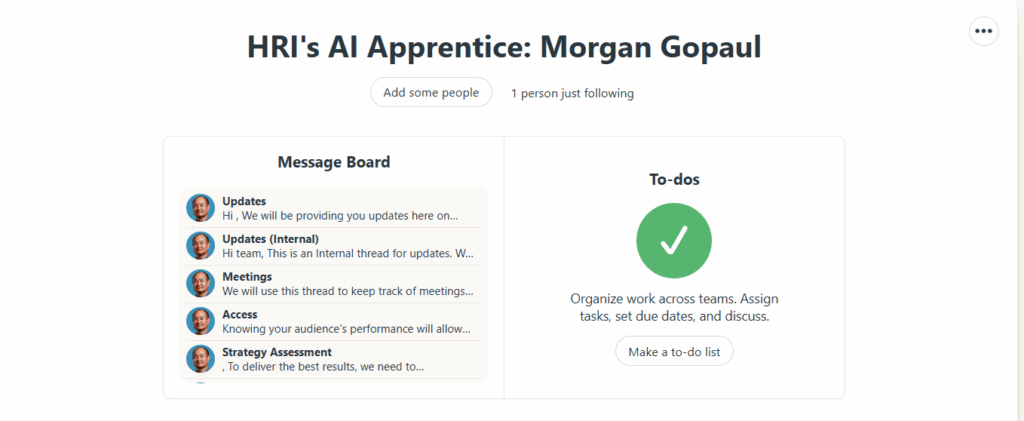
Step 1: Create the Basecamp Project

Create a new Basecamp project for the apprentice.

Use the naming format:
HRI’s AI Apprentice – [Full Name]

Add:

  • The apprentice.
  • Program manager / mentor.
  • Operations team member for oversight.

Post the welcome article inside Basecamp:
Welcome to the AI Apprentice Program

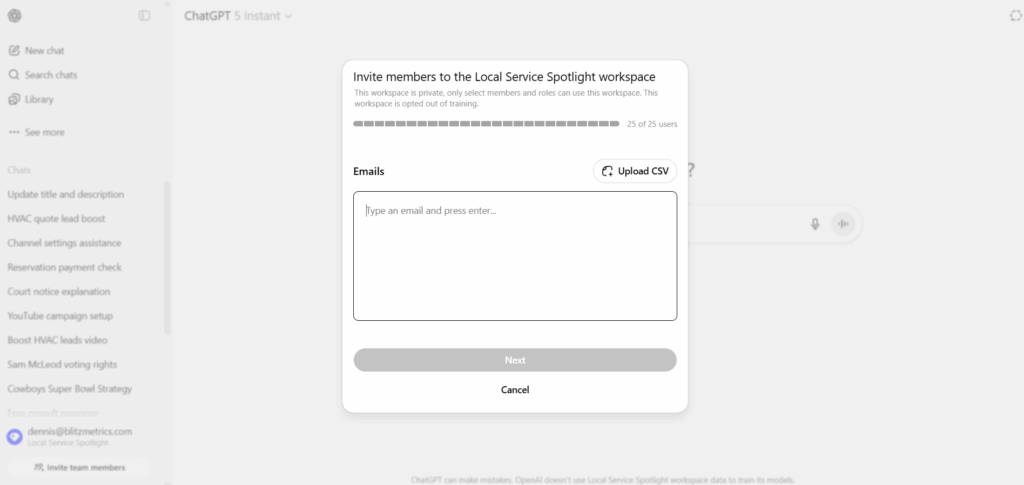
Step 2: Give ChatGPT Business Account Access

Send an invite to the apprentice’s email for our ChatGPT Business Account.


This gives them full access to team workspaces and custom GPTs.

Step 3: Invite to Private Facebook Group

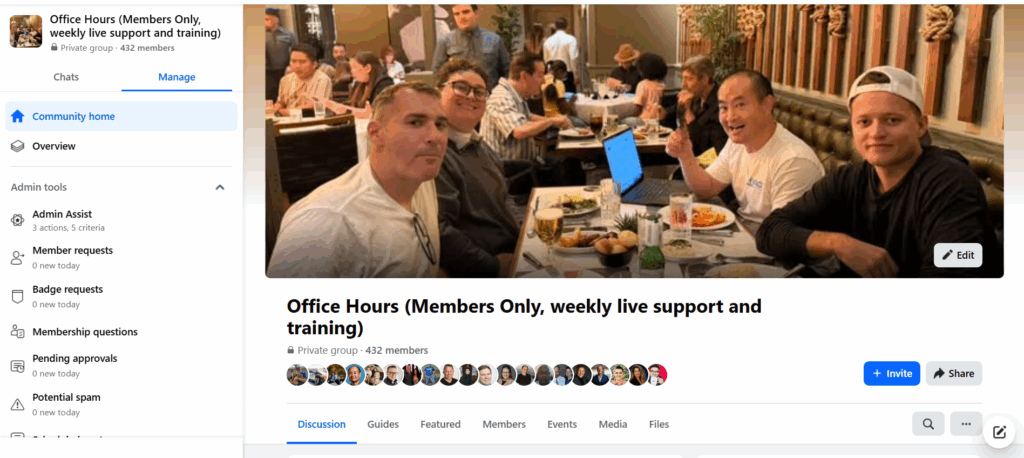
Invite the apprentice to our private community:
Office Hours with Dennis Yu Facebook Group

Encourage them to introduce themselves with a short video or post.

Step 4: Share Live Office Hours Info

Give the apprentice the recurring link to our weekly Office Hours:

  • Every Thursday at 2 PM PST.
  • Format: Live Q&A, real-time audits, and apprentice showcases.

Remind them to come prepared with a progress update.

Step 5: Grant Academy Access

Provide login credentials to the Academy, which includes over 150+ paid courses they get free access to.

Confirm they can log in and navigate the dashboard.

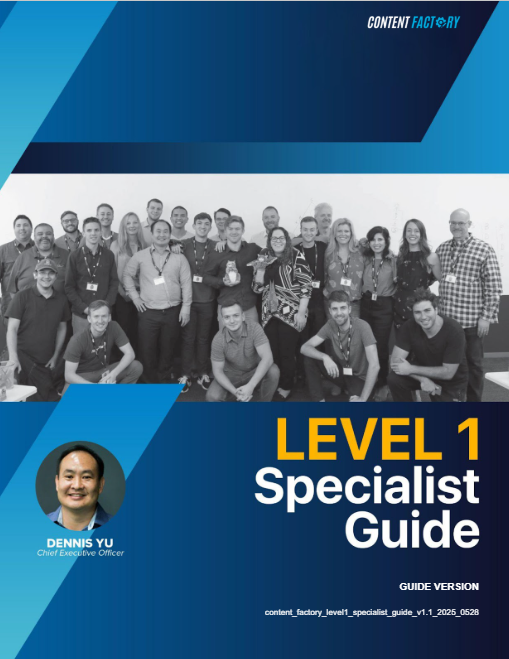
Step 6: Share Level 1 VA Guide

Send the Level 1 VA Guide, which covers:

  • Our Content Factory process.
  • Task structure and documentation standards.
  • How to report daily updates and submit completed work.

Confirm they review it within their first 48 hours.

Step 7: Introduce MAA (Metrics > Analysis > Action)

Each apprentice must complete a weekly MAA every Friday to build real data analysis habits.

Share both reference articles:

Remind them:

Every Friday = MAA time.
Review data, analyze what it means, and suggest next actions.

Step 8: Encourage YouTube Learning

Share Dennis Yu’s YouTube Channel:
Dennis Yu on YouTube

Assign them to watch 3–5 recent videos.

Step 9: Confirm Completion

When all steps are done:

  • Tick each item in the internal tracking sheet.
  • Post a “✅ Onboarding Complete” message in Basecamp.
  • Tag the apprentice.

Done! They’re Officially Onboarded

Once the checklist is completed, the apprentice is now ready to start contributing to real projects, attend Office Hours, and advance through our levels of mastery.

Announcing ‘The Complete Guide to Pest Control SEO’ – Grow Your Pest-Control Business Today

In this video, author Danny Leibrandt introduces his new book, “The Complete Guide to Pest Control SEO”. If you run or market a pest-control business and want to generate more leads, this video explains why SEO is essential and how this guide can help.

Danny Leibrandt is the founder of Pest Control SEO, a digital marketing agency for pest control companies, and co‑founder of Pest Partner. He also hosts the Local Marketing Secrets and Pest Control Legends podcasts, where he interviews industry experts and shares actionable local marketing advice. Known for his high‑energy speaking style at conferences like DigiMarCon, Danny aims to inspire others with his “Don’t know? just go.” approach.

His book, The Complete Guide to Pest Control SEO, spans over 280 pages and serves as a step‑by‑step playbook for pest‑control businesses looking to dominate local search. It explains how to optimise your website, set up call tracking and analytics, and make the most of your Google Business Profile. The guide walks you through keyword research, review generation, backlink acquisition and content planning, while warning about common pitfalls like broken tracking or thin content. With practical examples and checklists, the book offers DIY, hybrid and full‑service options so readers can choose the approach that fits their goals.

If you’re a young adult or the parent of one, consider joining High Rise Academy to learn marketing skills that actually get results.

Parents: Prepare Your Teen to Be an AI Apprentice for Your Business with High Rise Academy

If you run a local service business and want your son or daughter to take over the digital marketing, here’s a practical path—grounded in what actually worked on real projects, not theory. Dennis Yu, Jack Wendt, and Dylan Haugen recently sat down to discuss how parents can help their kids become successful AI apprentices through the High Rise Academy, sharing what’s working, what young adults are learning, and how families can apply these lessons to real businesses.

Why Teens are a Great Fit and how to Test it Fast

During the discussion, Dennis explains why young adults often pick up AI tools faster than seasoned professionals. They tend to reason with AI instead of treating it like a search bar. Jack suggests a simple test for parents: have your teen open voice mode and talk through a problem with the AI for five minutes—then ask it to outline next steps. Speaking out loud encourages richer prompts and better plans. A second quick test, mentioned by Dylan, is to record a simple one-minute video explaining what your business does and who it helps. That short clip becomes raw material for posts, a blog, and even a lightweight ad.

Dennis shares how this exact process helped a cosmetic dentist in Atlanta. The team started with plain, phone-shot videos about smile makeovers, the doctor’s process, and the office itself. Those clips were repurposed into website articles, Google Business Profile updates, Instagram/TikTok posts, and ad variants—a single shoot fueling weeks of distribution. Businesses that follow the properly repurpose videos can multiply their reach without multiplying effort.

Doing, Measuring, and Iterating Weekly

Jack and Dylan emphasize that success comes from consistent action and feedback. Apprentices wire the digital plumbing first—analytics and call tracking—so we can see exactly which videos, pages, and ads move the needle. Every Friday, they submit an MAA (Metrics → Analysis → Action) report, a system Dennis developed to help keep projects data-driven and accountable.

Accountability isn’t lonely: work is organized in Basecamp, and there are live office hours every Thursday at 2 p.m. Pacific where apprentices present campaigns and dashboards for critique. Dylan points out that this structure helps young marketers build confidence. On the dentist project, one weekly MAA revealed a patient-story clip outperforming equipment demos, leading the team to double down on testimonials across blog, reels, and ads.

Learning by Applying, not Just Taking a Course

Dennis and Jack share how this hands-on model grew from a six-week applied module at Johns Hopkins, where students paired with real local businesses—no simulated assignments. The same “learn → do → teach” framework powers the apprenticeship: learn a tactic, implement it on a live account, document it so the next person can repeat it. Dylan mentions that this approach taught him to solve real problems—like when he got stuck swapping a website image, used AI to troubleshoot it, and then documented the process so others could benefit.

What the Work Actually Looks Like

  • Capture: Short, authentic videos from the owner and team (think FAQs you answer daily).
  • Repurpose: Turn one clip into a blog post, a GBP update, two social cuts, and an ad variation—five outputs from one input.
  • Distribute: Publish across site, search, and social.
  • Amplify: Layer Local Services Ads, Google Ads, and Facebook Ads (Dollar a Day) once the content proves itself.
  • Measure: Track calls and form fills back to the specific asset and keyword.
  • Improve: Scale the winners, fix or drop the laggards.

On the dentist account, that flow moved the business from “invisible online” to a steady stream of measurable calls—because Google could finally “see” the same reputation locals already knew.

What Success can Look Like

Dennis recalls Sal Sciorta, from Plumbing Pros in Eastern Pennsylvania, which followed the same framework. Revenue grew from roughly $30–40k/month to nearly triple, and marketing was intentionally dialed down while the team hired to meet demand. Growth became manageable and repeatable, rather than chaotic.

Compensation also evolves with results. Dylan, who began as an apprentice, advanced from $17/hour to $25/hour through performance and client satisfaction—not time on the clock. Along the way, he built lasting professional assets like a personal brand website and Google Knowledge Panel, helping him stand out in search results. These principles mirror what we teach for building your personal brand on Google, where visibility and credibility reinforce one another.

Who Thrives in This Model

Jack notes that strong communication and self-management are key indicators of success. Apprentices who try, measure, and then ask targeted questions grow quickly. Remote teamwork is part of the experience—Dennis and his team span multiple time zones—but the shared MAA process and weekly reviews keep everyone on track.

Why This Beats Influencer Thinking

Dennis often reminds parents that their kids don’t need viral fame to make an impact. Local businesses grow by showing up consistently in maps, search, and social with authentic content. Genuine videos, regular updates, and measurable results build trust faster than follower counts ever could.

He and the team emphasize that success comes from visibility within your community, not popularity online. When your content reflects real stories, honest expertise, and steady improvement, Google and AI tools start recognizing your business as the local authority—helping you win right where it matters most.

Partnering to Build the Next Generation

The conversation between Dennis, Jack, and Dylan shows how this program blends mentorship, accountability, and applied learning. Parents who want to give their kids real-world marketing experience—and see results for their own business in the process—can join forces with High Rise Academy. The program pairs young adults with experts who guide them through real projects, helping them gain confidence, technical skill, and a clear career direction while supporting your local business growth.

AI Apprentice Builder Mindset Scorecard

Thinking of applying to our $7,500 AI Apprentice program? Before you step into the dojo, run yourself through this scorecard. It’s designed to separate builders from spectators and show you whether you’re ready to thrive in our high-velocity environment.

Portrait of a woman to represent our team in the AI Apprentice program.

Tool Curiosity

  • Ask yourself: what’s a tool or app you recently discovered, and how did you learn it?
  • Good sign: you dove in, broke it, and figured it out by doing.
  • Red flag: you only watched tutorials but never touched it.

Execution Velocity

  • Ask yourself: what’s something you shipped within 48 hours of learning a new tool or concept?
  • Good sign: you value momentum over perfection.
  • Red flag: you research forever and never start.

Grit & Follow‑Through

  • Ask yourself: when you get stuck on a task you’ve never done, what’s your first move?
  • Good sign: you start Googling, ask ChatGPT, and try small iterations until it works.
  • Red flag: you wait for someone to tell you the answer.

Documentation Reflex

  • Ask yourself: how do you keep track of what you learn so others can reuse it?
  • Good sign: you record Looms, maintain a Notion page or write short SOPs.
  • Red flag: you keep it all in your head.

Attitude Toward Change

  • Ask yourself: AI is making some jobs obsolete — how do you feel about that?
  • Good sign: you’re excited and see opportunity in staying ahead.
  • Red flag: you feel threatened or insist AI can’t replace human creativity.

Scoring and Interpretation

Use the table below to assign yourself points in each area. Then total your score to see where you stand.

CategoryPoints Range
Tool Curiosity0–30
Execution Velocity0–25
Grit & Follow‑Through0–20
Documentation0–15
Attitude Toward Change0–10
  • 85–100 points – Builder: you’re ready for our program (think Marko / Danny tier).
  • 60–84 points – Trainable: you have potential; expect a learning curve.
  • Below 60 points – Pass for now: you’ll need more self-drive before you can thrive here.

Final Thoughts

Age isn’t the issue — mindset is. Younger applicants often adapt faster because they’re used to experimenting with new tools. But anyone with curiosity, humility and the will to tinker can become a builder. Use this scorecard honestly and decide if you’re ready to dive into our AI Apprentice program.

Train a Young Adult to Be a AI Apprentice Marketing Expert | Franchise Partner Program

Unlock the full potential of your franchise’s marketing by training a young adult—your son, daughter or a team member—to become a dedicated digital marketing and AI-powered social media expert. In this video, Dennis Yu and Jack Wendt explain how a one-year program equips them with the tools and strategies to manage the Content Factory process for your local service business.

This program includes:

  • Weekly Office Hours and coaching
  • Full access to all training materials
  • Hands-on support with analytics, ads, and websites
  • A community of peers and mentors

The curriculum is built on proven methods used by major brands like Red Bull and Nike and thousands of local service businesses. Think of it as trade school for digital marketing—tailored specifically for your franchise.

If you’re ready to give a young adult the opportunity to grow into your business’s marketing champion, watch the video and learn how to enroll them today.

Learn more about the AI Apprentice Program.