What Happens When an AI Apprentice Stops Showing Up

The #1 criteria for the AI Apprentice Program isn’t intellect, existing skill, or years of experience.
It’s follow-through.
Like being pregnant or not, it’s black and white. You either take initiative or you make excuses.
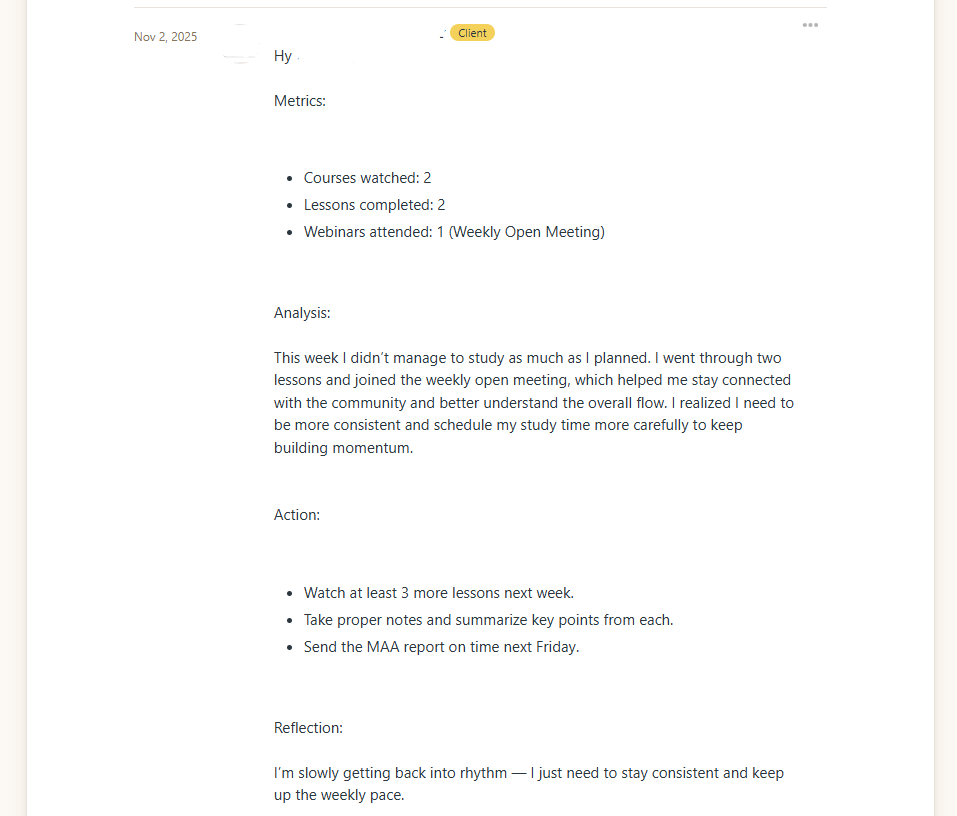
Every apprentice submits a weekly MAA (Metrics, Analysis, Action) report. This isn’t optional homework. It’s the engine that drives your progress and lets us coach you effectively.
A short MAA beats a missing MAA every time.
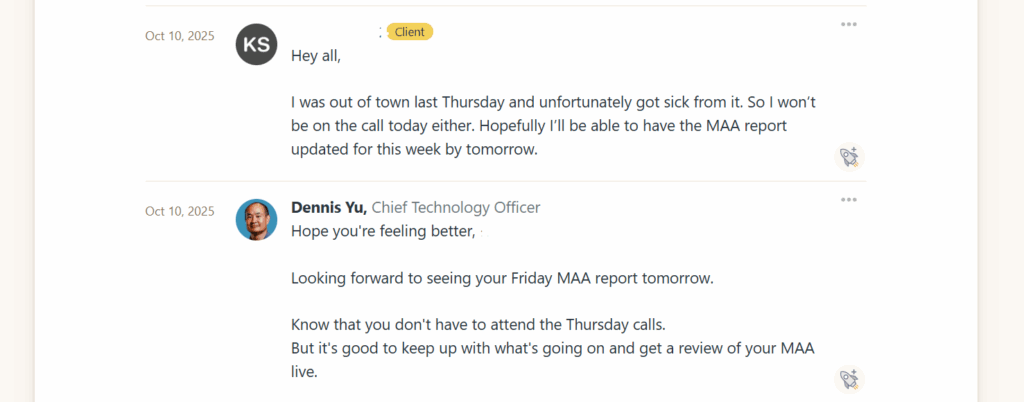
It takes 3 minutes. The folks who win are consistently participating, much like going to the gym regularly. It’s not about some one-time superhero effort. It’s an hour a day over a couple months to unlock amazing progress. People either fall off a cliff or they are crushing it. We don’t see anyone in-between.
What happens when someone falls off
We track every apprentice’s weekly submissions. When someone stops submitting, the pattern shows up fast:
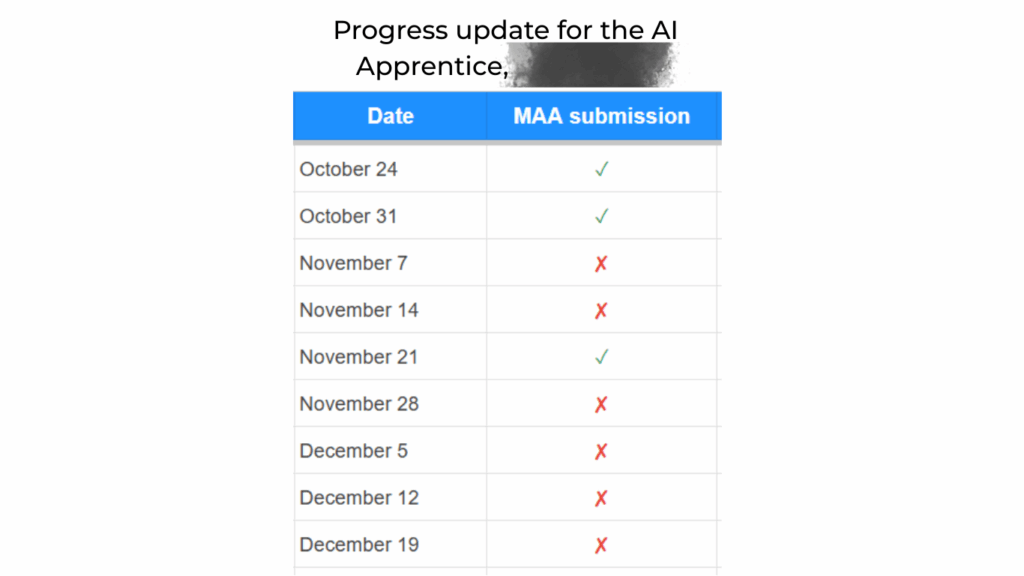
The excuses are always understandable. Illness, exams, workload, competing priorities. We’ve heard them all. I even built a flowchart for every excuse because the patterns repeat.
But understandable doesn’t change the outcome. Missed MAAs break momentum.
Our escalation process
We don’t babysit. But we do follow a clear process.
Miss one week and Ops follows up in Basecamp.
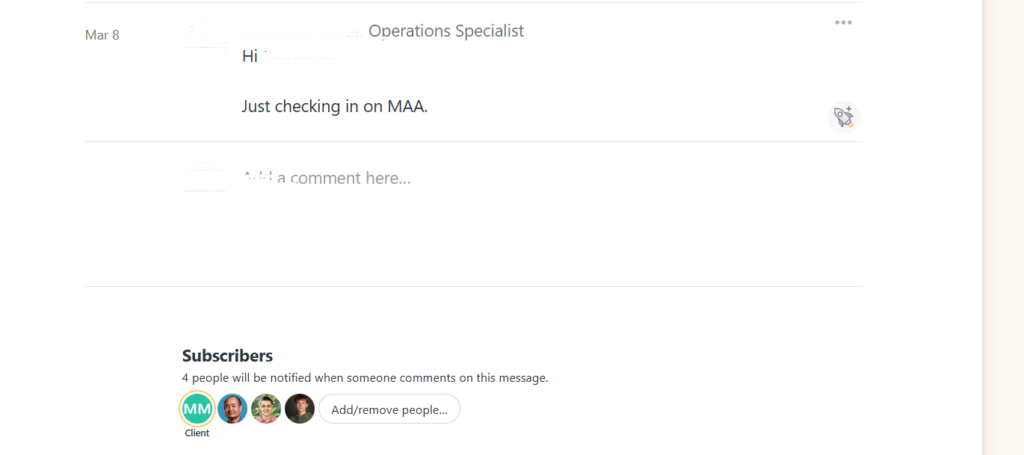
Miss two weeks and we send a private reminder through text or social media. Miss three weeks and we escalate to the business owner who enrolled you.
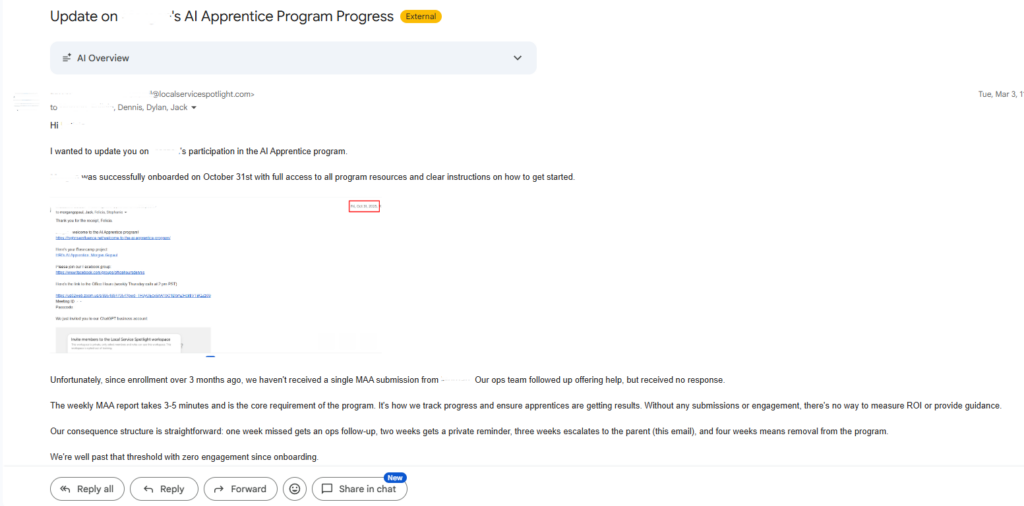
Miss four weeks and you lose access to the program.
Even this is lenient. It gives someone nearly a month to course-correct. But without consequences, accountability is just a word.
The work itself isn’t complicated. Repurposing content, improving a website, submitting a weekly report. None of it is hard. In my experience, it’s 10 times more effort to explain and encourage someone to do the work than to just do it. That’s why follow-through matters more than skill.
How we help you recover
When an apprentice falls behind, we don’t just send warnings. We offer real support.
Ops reaches out directly. We check if there’s a clarity issue, access problem, or something blocking progress. We schedule a sync call to realign on expectations, priorities, and next steps.
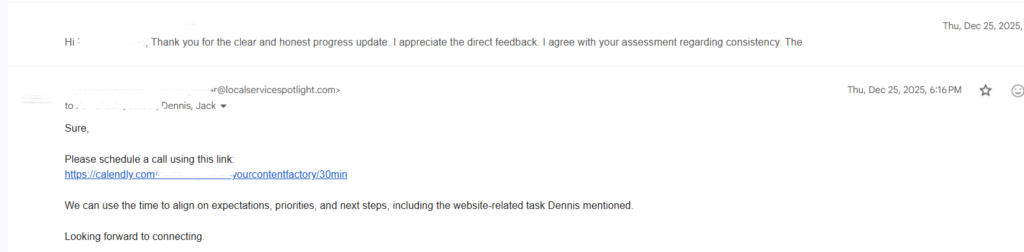
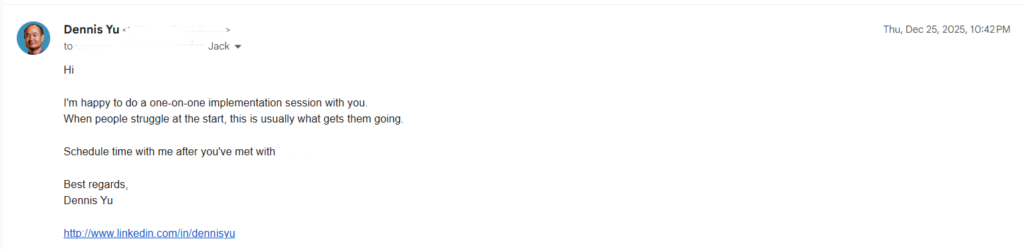
I offer a one-on-one implementation session. When people struggle at the start, this usually gets them going.
We invest heavily in every apprentice. But that investment requires you to show up.
What good looks like
Here’s what consistent execution produces:
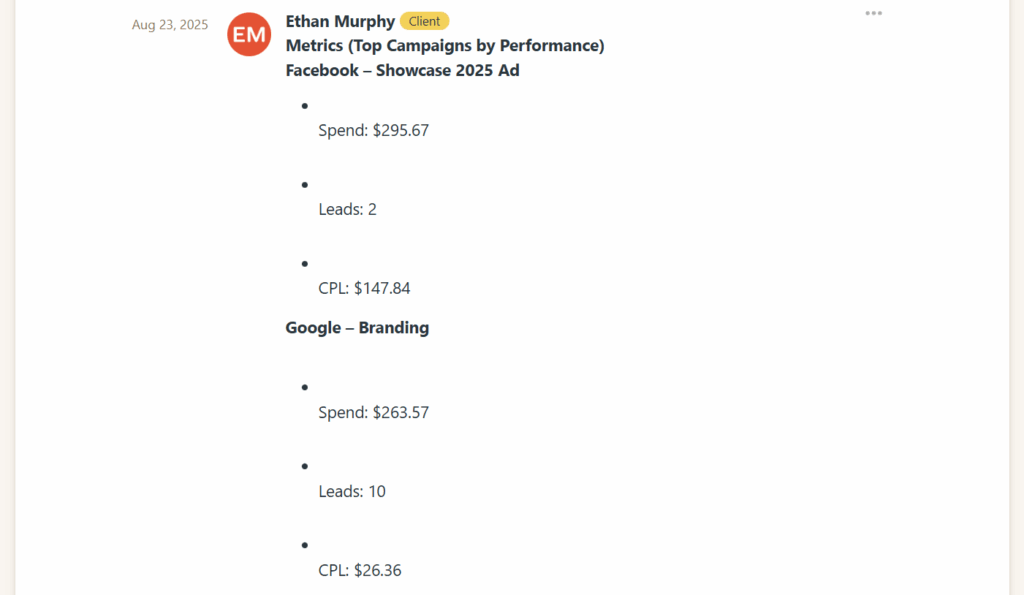
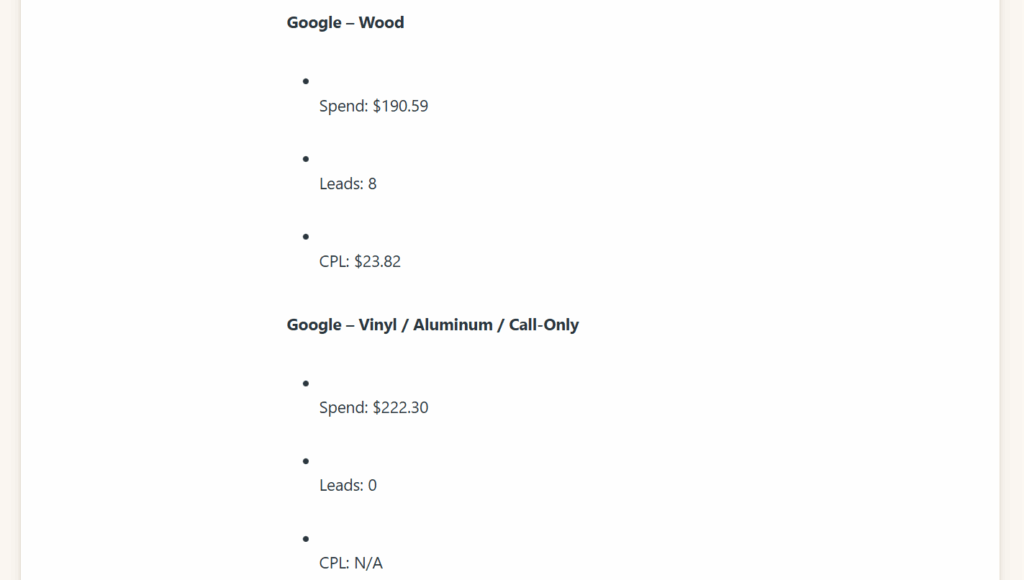
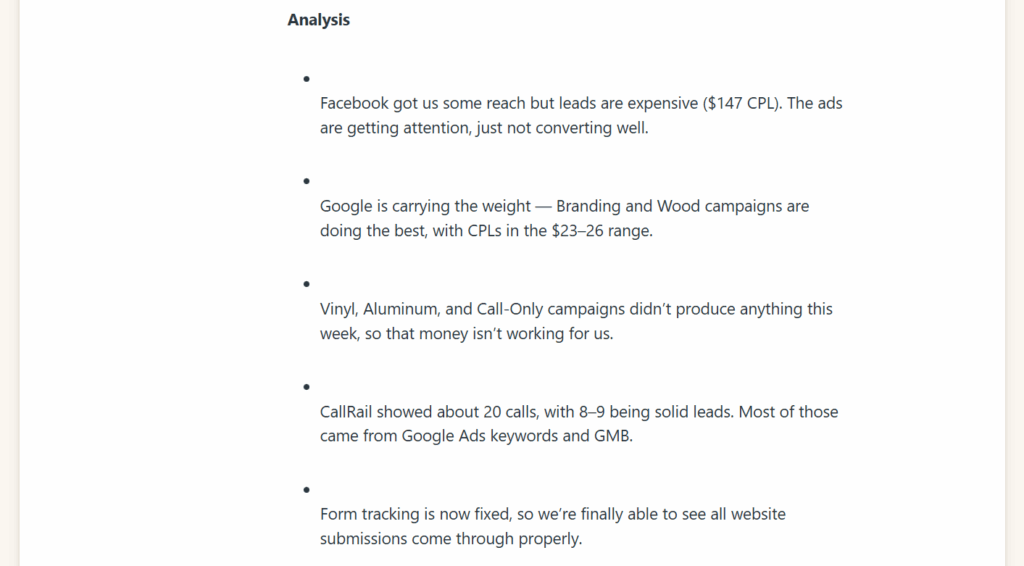
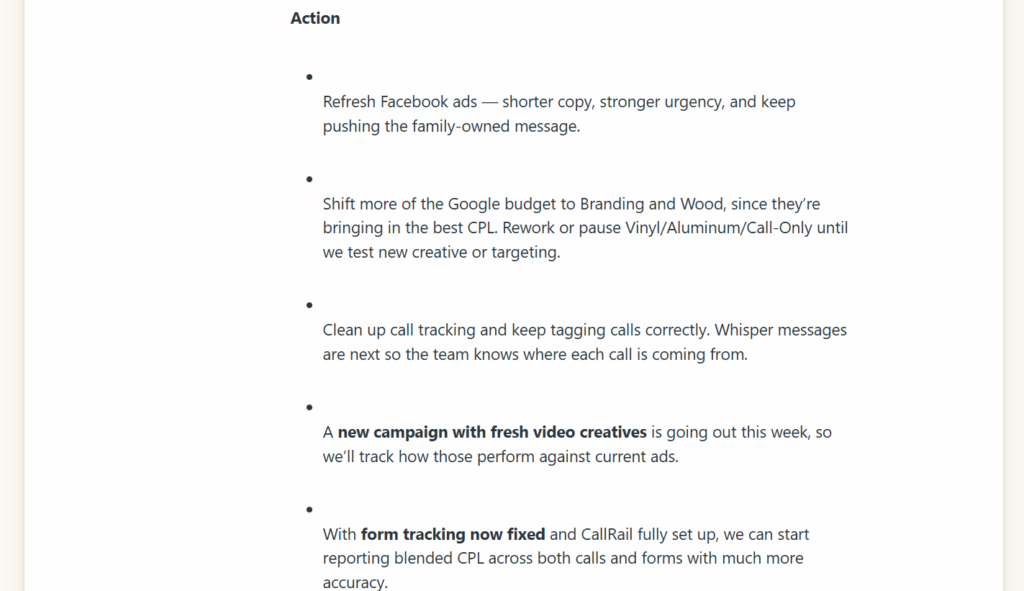
Ethan didn’t start as an expert. He started as an apprentice doing marketing for his dad’s landscaping company. He submitted his MAA every week, communicated what was working, iterated on what wasn’t, and delegated where he could. That’s CID (Communicate, Iterate, Delegate), one of the 9 principles in the 9 Triangles framework.
Today, Ethan runs an agency with multiple clients. The difference wasn’t talent. It was consistency.
Who this article is for
If you’re a business owner who enrolled a young adult in our program: this is how we hold them accountable and how we support them. If your apprentice has gone quiet, know that we’re already following up. But your involvement matters. Ask them about their weekly MAA.
If you’re an AI Apprentice reading this: you already know what to do. Submit your MAA every Friday. If you’re on vacation, submit Thursday. If it’s short, that’s fine. Just don’t disappear.
If you’re considering the program: follow-through is the price of entry. Not money. Not skill. Just show up, do the work, and let us coach you. Everything else compounds from there.
The principle behind all of this
CID. Communicate, Iterate, Delegate.
Your weekly MAA is CID in action. You communicate your results. You iterate on what’s working and what isn’t. You delegate where you can. Each week builds on the last.
We apply this same principle across everything in the program. Your marketing, your client work, your growth as an apprentice. And you can even have AI agents assist you in this, which we teach. Small, reliable cycles of CID. That’s how you win.
Here’s an example of how we use AI agents to do in 30 seconds what used to take a VA an entire week: