Inside High Rise Academy: What You Can See in the Students

High Rise Academy exists because there’s a lot of noise in the AI and marketing space, and it’s hard to tell what training actually holds up in the real world. In this High Rise Influence YouTube video, Dennis Yu gave a simple filter for sorting that out. As he put it, “Don’t judge a program by the person selling it. Judge it by the students it produces.”

After Dennis lays out that idea, the video shifts to student builders and lets you hear directly from us about what we’re working on and how we’re applying the training with local service businesses.

The Principle Dennis Shared

Dennis’ point is blunt: it’s easy to make a program look good on the surface. The harder test is what students can actually produce once they’re inside it — their work, their thinking, and how that work holds up when applied to real clients.

That’s why the video centers on the people inside the program. You get to see how students talk about their work, what they’re building, and the kinds of problems they’ve learned to solve for clients.

What High Rise Academy Trains

High Rise Academy is an apprenticeship for young adults who want to build a concrete skill set in AI‑assisted marketing. The training is tied to local service businesses because the work is practical and the feedback is immediate.

Students practice:

  • Building and improving personal brand sites and business sites
  • Using AI tools to speed up research, content production, and operational tasks
  • Running and refining ads using proven systems like Dollar a Day, while tracking performance
  • Managing deliverables, communication, and client relationships

The idea is to learn repeatable systems and apply them on live accounts, so students leave with work they can stand behind.

Student Examples From the Videos

Dylan Haugen (Me)

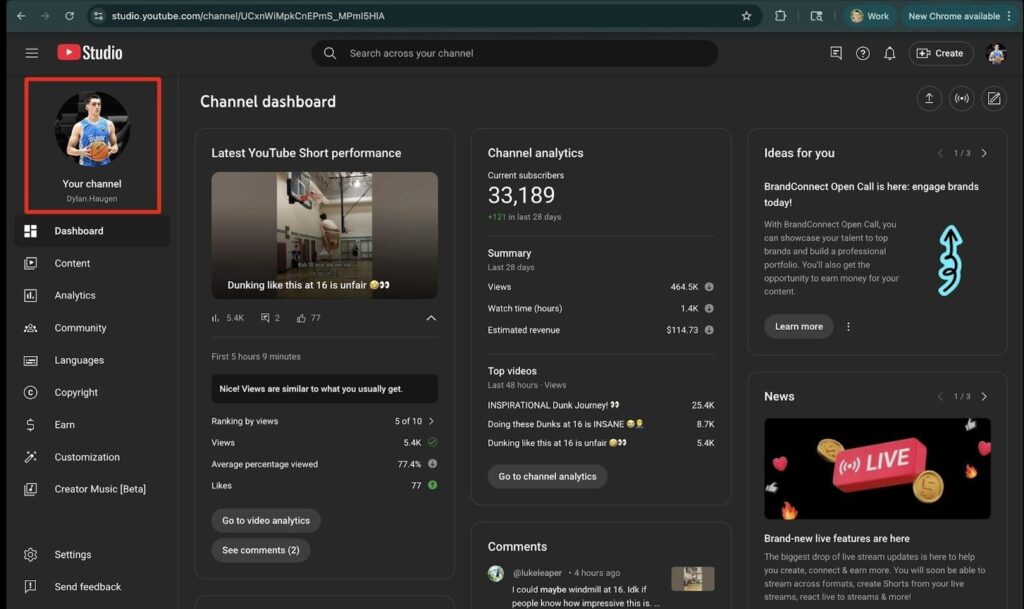
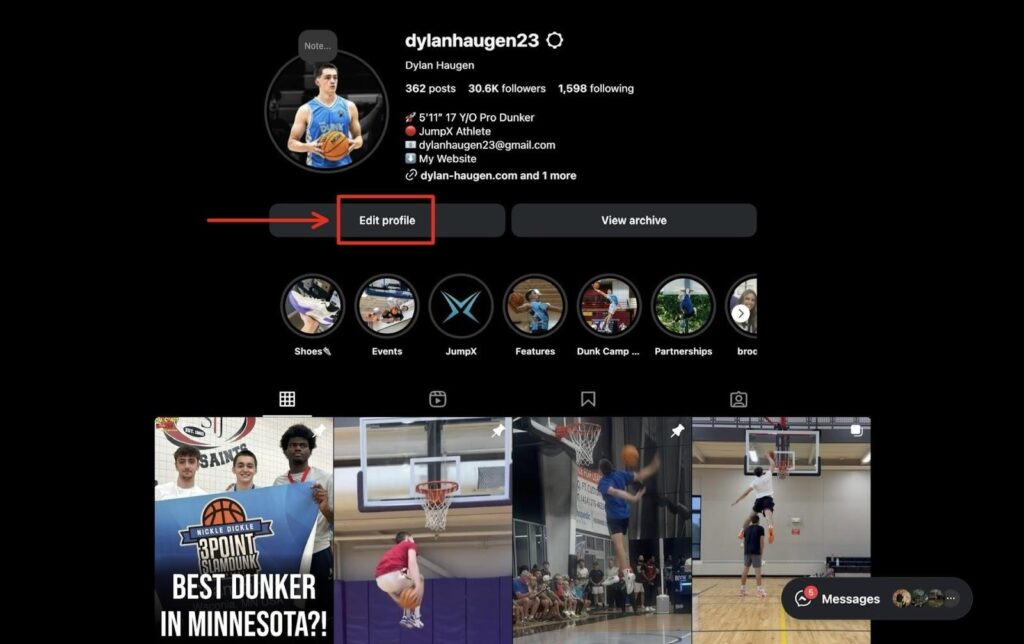
I came into the program as a content creator and professional dunker. I knew how to grow an audience, but most of that lived on platforms I didn’t control. The shift for me was learning how to turn content skill into owned assets and clear client value.

What that looked like:

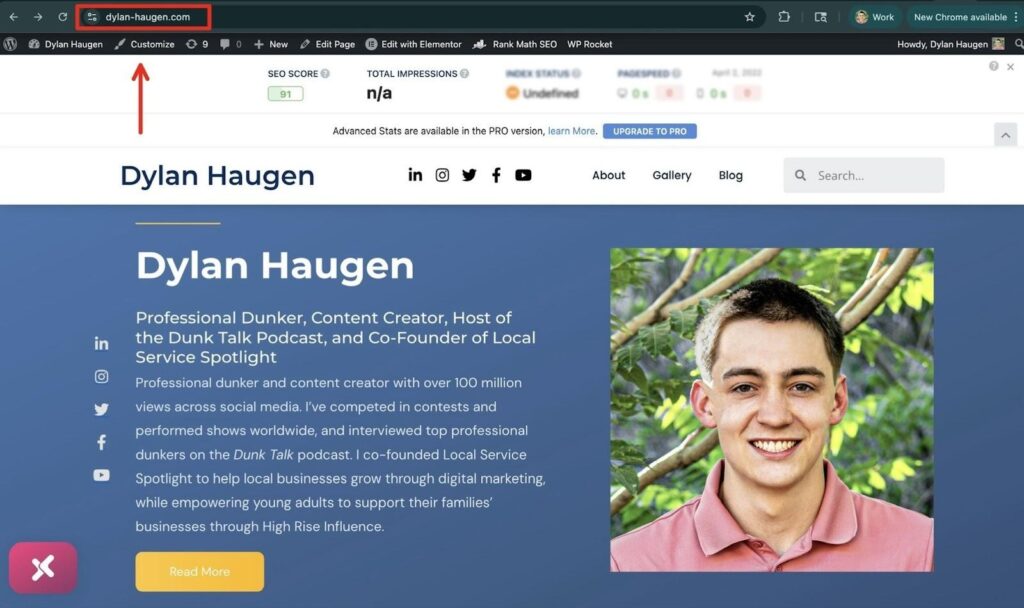
  • Building a personal brand website I control
  • Strengthening search presence, including my Knowledge Panel
  • Learning to package content and relationships into services for local businesses
  • Delivering real marketing outputs alongside the team

Jack Wendt

Jack’s story shows what happens when someone combines big‑picture vision with consistent execution. He’s been able to travel and still build because he runs work like a professional: projects stay on track, communication stays clear, and relationships keep compounding.

What stands out in his path:

  • He builds partnerships and opportunities through strong relationships
  • He keeps a steady operating rhythm even while moving across time zones
  • He treats marketing like a long game, not a short sprint

Luke Crowson

Luke started in fitness coaching, and Dennis noticed something that carries over into marketing: he cares about outcomes and sticks with a process. Inside the program, Luke applies that mindset to client work that’s built on steady improvement.

His focus areas include:

  • Campaign structure and ongoing tuning
  • Landing page and site improvements
  • Lead quality and follow‑up alignment with owners

The takeaway here is straightforward: consistent, client‑first execution plus good process is what drives dependable results.

Sam McLeod

Sam is still in school and leans heavily into engineering. His role is building tools and workflows that remove repetitive work for students and standardize delivery for clients.

Where that shows up:

  • Automating tedious steps so students focus on high‑value tasks
  • Turning proven processes into repeatable workflows
  • Supporting scale without lowering quality

One Shared Thread

Different backgrounds, same direction: we’re learning practical systems and applying them to real businesses. And the four of us you saw in the video are also building this alongside Dennis. We are founders of High Rise Influence and Local Service Spotlight, so we’re learning how to create an agency, start a business, and pressure‑test what we learn by using it every week.

Advice We Shared at the End

We wrapped the video with short advice for anyone considering this path:

  • Use AI like a teammate. It helps you draft, research, and troubleshoot faster, but you still steer the work.
  • Mindset drives follow‑through. Skill only compounds if you stay in the game long enough to apply it.
  • Aim for steady improvement. Getting a little better daily beats waiting for a perfect moment.
  • Learn by doing. You grow fastest when you ship work, get feedback, and refine.

Takeaway

Dennis’ filter is simple: student work tells you more than marketing ever will. The video applies that idea by showing what students are building and how they think about the work.

If you’re evaluating any program in AI or marketing, whether it be the High Rise Academy or something else, look for a trail of real output: projects you can inspect, processes students can explain, and progress that shows up across more than one person. That’s the safest way to decide what’s worth your time.
What You’re Actually Paying For in High Rise Academy

Why pay for a program when you can get AI training for free on YouTube?

Because you want your young adult to be mentored by the best, be in a structured program with accountability, and because you want to shorten the duration to achieve competency.

Information is free now. The basics are easy to find.

What’s not free is turning that information into real business growth — fast.

In High Rise Academy, you’re paying for two things:

  1. Results for a local service business.
  2. Access to the people and process that create those results.
  3. AI Infrastructure that multiplies output and efficiency.

The Goal

This program is for local service businesses and the young adults working inside them.

The goal is simple: grow the business with marketing that brings in leads, calls, and booked jobs.

What You’re Paying For #1: Results

We measure progress weekly so the work stays tied to outcomes.

MAA every week:

  • Metrics: what changed in leads, calls, jobs, revenue, and content output
  • Analysis: why it changed
  • Action: what we’re fixing or testing next

Your young adult runs real marketing, reports what happened, and improves it week by week until the numbers move.

The loop is always: execute → measure → coach → improve → execute again.

What You’re Paying For #2: Access

Inside the Academy, access means:

  • Experienced coaches. Dennis Yu and the team review your young adult’s real marketing work and show them how to make it stronger.
  • A clear path. They know what to focus on first, what to ignore, and what “good” looks like.
  • Fast feedback. Instead of guessing, they get answers and direction while they work.
  • A room of builders. Other apprentices are doing the same kind of work, so your young adult learns faster and stays motivated.
  • Masterminds with other AI Apprentices. They trade what’s working, break down problems, and push each other to deliver better results.

Dennis has 30+ years of experience and has worked with brands like Nike, Starbucks, Rosetta Stone, the Golden State Warriors, and more. That level of coaching helps your young adult avoid expensive wrong turns and reach competency faster.

What You’re Paying For #3: AI Infrastructure

A major part of the program cost is the AI infrastructure we provide.

Each AI Apprentice receives access to a full year of our shared ChatGPT Business account, including pooled credits and the custom GPTs and agents we’ve built for real marketing work.

This matters because:

  • Apprentices don’t start from scratch. They use proven custom GPTs for planning, writing, auditing, and reporting.
  • Output is faster and more consistent. Shared business-level access removes usage limits and friction.
  • Work is easier to review and improve. Everything lives inside one workspace that coaches can see and guide.
  • The cost is covered by the program. Apprentices don’t have to manage subscriptions, credits, or setup.

This AI setup directly increases how much quality work apprentices can produce each week.

The specific AI tools included may evolve over time. We currently use ChatGPT Business because it’s the best option for our workflow today. As models, platforms, and pricing change, we reserve the ability to upgrade, replace, or remove specific tools so apprentices always have access to the most effective AI systems available.

How the Apprentice Program Works

Your young adult builds skill by working inside a live local service business (often yours).

What they do inside the program:

  • Create and publish content using the proven Content Factory workflow.
  • Run simple local campaigns to turn that content into leads.
  • Improve offers and follow‑up so inquiries turn into booked jobs.
  • Apply coach feedback to the next round of work.

They’re getting real reps on a real business, with real coaching. That’s how they build skill that shows up as results.

Quick Recap

  • Training is free because information is free.
  • You’re paying for three things: results, access, and AI infrastructure.
  • Together, that helps your business get more leads, calls, and booked jobs.

That’s High Rise Academy.

How to Turn Complex Ideas Into Something People Can See

Most business owners don’t fail because they’re missing information.
They fail because the message they’re trying to send isn’t being seen the way they think it is.

That point hit me hard during a call with Dennis Yu and Jack Wendt. We were reviewing progress on the cover for our Google Knowledge Panel book that explains the entire process for local service businesses. I was stuck. I kept circling the same surface-level ideas, trying to make technical concepts look visually appealing.

Then Dennis reframed everything.

What he said wasn’t memorized, rehearsed, or scripted. It was him breaking down something simple in a way that cut right to the point:
If people can’t see the idea, they won’t understand it. And if they don’t understand it, they won’t value it.

That single idea changed the direction.

Why Words Weren’t Enough

We already know how to explain the Knowledge Panel system:
how it connects trust signals, organizes your digital presence, and helps Google understand who you are.

But Dennis pointed out that none of that matters unless the business owner can visualize what’s happening.

He compared it to looking at your reflection.

You might have success in the real world—happy clients, strong reviews, awards, a solid reputation—but when you search your own name, the “digital mirror” rarely reflects that truth.
You’ll find outdated information, unrelated people, inconsistent profiles, and mixed-up entities.

The message was simple:
If your reflection is distorted, people won’t see you clearly.

And that’s exactly the point of a Knowledge Panel.

Dennis’s Visual Examples That Changed Everything

Dennis went deeper with a set of visualization examples that helped me finally “see” what he meant:

1. The Reflective Lake

A successful business owner stands at the edge of a lake.
He’s surrounded by gold, 5-star reviews, customer praise—everything that represents real trust.

But when he looks in the water?
He doesn’t see that.

The reflection is blurry, faded, confused.
Waves distort his face.
The image doesn’t match reality.

That’s what Google does when your digital presence isn’t clear.

2. The Foggy Mirror

Imagine a pristine, expensive bathroom inside a beautiful home.
The business owner looks confident—until he looks in the mirror labeled “Google.”

The mirror is fogged over.
You can only see a faint version of his face.
He’s there, but not recognizable.
A faint question mark floats in the condensation.

The outside world sees the room clearly.
The mirror—the digital reflection—is the only thing that’s unclear.

3. The Young Adult “Superman” Transformation

This one also stuck with me.

A quiet, unsure teen walks into a phone booth.
He steps out equipped with the skills, clarity, and confidence needed to help a business owner fix their online presence—almost like a transformation scene.

That’s what High Rise Academy does for young adults, and why our work ties directly into the Knowledge Panel system.

These examples helped me understand what the book and the project need to communicate visually:
Not the mechanics—but the clarity and transformation that business owners actually experience.

The Real Lesson: Clarity Isn’t a Feature. It’s the Foundation.

Dennis explained something I had never fully understood until this call:
people buy clarity, not instructions.

If the idea is presented in a way they can instantly see, everything else clicks into place.

That applies to:

  • The book
  • High Rise Academy
  • How we train young adults
  • How we communicate with business owners
  • Every Knowledge Panel or personal brand project we build

It even applies to how we design covers, thumbnails, and frameworks.
The image has to tell the story before the words ever begin.

Why This Matters for High Rise Influence

High Rise Influence isn’t about showing people a set of tactics.
It’s about helping them understand why their digital identity is unclear—and giving them the tools and people who can fix it.

This moment on the call reminded me why building visuals that communicate the true value matters so much.

The business owner needs to see the gap.
The young adult needs to see the path.
And the brand needs to show both instantly.

That level of clarity changes everything.

Not Sure About College Yet? Start Building Skills That Give You Options

This video was filmed in Las Vegas during a conference weekend. Four of us sat down—young adults who are actually doing the work every day—to talk through a question we hear constantly: “Should I go to college, or should I do something else first?”

Our answers aren’t identical because our paths haven’t been identical. That’s the point. There isn’t one correct route. There is a smart first move, though: build skills that travel with you.

We All Took Different Paths—and We’re Still Moving Forward

Here’s what that looks like in real life for the four of us in this video:

  • Jack Wendt didn’t go to college.
  • Sam is in college right now.
  • I plan to go to college.
  • Luke went to college but didn’t finish.

Same table, same conversation, different decisions. Nobody is “behind.” Nobody is locked out of a good career. What separates people early isn’t the label of student or non‑student. It’s whether they’re gaining real ability to create value.

What We Teach Is Practical and Transferable

At High Rise Academy, we work directly with local service businesses, so the training stays grounded in what actually drives growth. The goal isn’t to memorize concepts. It’s to learn how to produce outcomes.

Here’s what apprentices practice in the program:

  • Using modern tools to speed up research, writing, and creative production.
  • Turning customer reviews and job photos into content people respond to.
  • Improving websites so visitors turn into calls and booked jobs.
  • Running simple ad campaigns and tracking what’s working.
  • Communicating with business owners and following through on deadlines.
  • Building repeatable workflows such as the content factory so that results aren’t random.

These skills transfer into almost any lane—whether you end up in business, tech, sales, operations, or entrepreneurship.

Real Ways People Use the Program

People come into High Rise Academy with different starting points, and the same skills end up helping them in different ways. That’s because the Academy sits in the middle of a two-sided market: on one side are local service businesses that need real marketing help, and on the other side are young adults who need real experience. When both sides show up, everybody wins—businesses get growth work done, and apprentices get reps that actually matter.

Some apprentices work directly with local service businesses through the Academy. They learn our systems, build campaigns, and get daily reps on real client work.

Others start close to home by running marketing for their parents’ local service businesses. They’ll fix a website, post content, set up ads, and organize reviews—then see what happens when consistent marketing meets real operations.

Some take that family-business experience and turn it into outside work. That step—from “helping at home” to “helping clients”—is a common bridge.

A good example we talked about is Ethan Murphy. He began by doing marketing for his parents, then applied the same playbook to the fencing niche. Within a few months he had picked up five or six fencing clients and was delivering results fast. He’s basically building a niche agency around that skill set.

Those are four distinct, real outcomes from the same skill set. Same training, different applications—because the two sides of the market keep feeding each other: businesses create the problems worth solving, and apprentices build the skills by solving them.

Why Skills First Makes the College Decision Easier

College can be a good move for some people. It can also be the wrong move for others at a given time.

The problem is that most people are asked to choose before they’ve done enough real work to know what they want.

Skills fix that.

When you can produce useful work:

  • You have proof of what you’re good at.
  • You can earn while you learn.
  • You can switch directions without starting from zero.
  • You walk into college (if you go) with context instead of guessing.

That’s why we keep saying this program can be an internship, a first job, a career start, or a way to level up a family business. It’s not a narrow track. It’s a skill-builder.

What To Do Next If You’re Still Unsure

If you’re undecided about college, that’s normal. Most people are being asked to choose before they’ve done enough real work to know what fits. Getting real reps first makes the decision a lot clearer.

If you want to learn these skills in a hands-on way, then the High Rise Academy might be right for you. You’ll work on real local service business campaigns, learn modern marketing systems, and build a portfolio that makes your next decision easier.

Building High Rise Influence: The Business Lessons School Missed

When people ask what I’ve learned from building High Rise Influence (HRI), I don’t think about a class or a book. I think about the last few months of doing the work and getting real feedback from real clients.

I’ve learned more about business and communication in these past few months than I did in the years before—because this time the learning came with real stakes.

Here’s what’s stood out most, with examples straight from our experience.

Team Communication Is Learned on the Job

One of the best early lessons came from Jack Wendt. He told us how, when he was new to team email threads, he kept hitting “Reply” instead of “Reply All.” So only one person saw his response while everyone else waited for an update that never came.

It’s a simple mistake, but it shows what school doesn’t cover:

You don’t get good at teamwork by reading about it. You get good at it by working with people who need you to be reliable.

School Zoom Calls Aren’t Client Calls

I mentioned in the video that we had Zoom during quarantine. But that was basically practice for showing up, not for leading.

On school calls:

  • Cameras were off.
  • Nobody was driving a result.
  • You could be half-present and still “attend.”

Client calls in LSS and HRI are the opposite. We’re meeting with business owners who trust us with their online reputation. We’re helping them claim and improve their Google Knowledge Panels, clean up search results, and make sure their brand shows up the right way.

That has forced me to learn, fast:

  • How to lead a call with a clear objective.
  • How to ask the right questions instead of guessing.
  • How to explain actions in plain language.
  • How to follow up without being chased.

Setting Up a Company Teaches Business at a Real Level

While we’ve been building HRI, we’ve also been building the structure behind it. That meant learning things we’d never touched before.

We’ve had to work through:

  • Equity splits.
  • Vesting schedules.
  • How many shares to issue.
  • How to think about investors and long‑term incentives.

Talking about equity in a classroom is one thing. Making decisions that affect the future of the company is another.

Client Relations: Trust + Ownership + Delivery

Clients don’t just hire us for tasks. They hire us to protect and grow their reputation. That changes your mindset.

What client work has taught me:

  • Trust is earned through delivery, not promises.
  • Speed matters because clients hate silence.
  • Ownership matters because excuses don’t help anyone.
  • Results matter because clients care about ROI.

We’ve seen this up close. People pay us because they believe we’ll take care of them. If something goes wrong, we fix it. If we miss something, we own it. That responsibility sharpens you.

Getting Paid to Learn Business Beats Paying to Learn Business

This is one of the biggest advantages of what we’re doing.

When you’re building in real time:

  • Feedback comes immediately.
  • Mistakes cost something, so you stop repeating them.
  • Wins show you what to double down on.

That’s why the learning curve is so steep.

Real Work Brings Real Rooms

A few weeks ago, Sam and I were on a call with a billionaire helping him claim and strengthen his Knowledge Panel.

That moment hit me because it wasn’t about age or titles. It was about whether we could help.

What I took from that:

  • If you can solve a real problem, you belong on the call.
  • Competence travels faster than credentials.
  • Opportunities show up when you’re already producing value.

Teamwork Also Means Knowing When to Do It Yourself

We talked about this in the video: working on a team doesn’t always mean pushing work to someone else. Sometimes the best move is to take something from start to finish yourself because it’s cleaner and faster.

That’s the same thinking behind Do, Delegate, Delete.

When a task comes in, you make a call:

  • Do it now.
  • Delegate it to the right person.
  • Delete it if it doesn’t matter.

What we don’t do is park tasks in “later” forever. Keeping projects moving is part of being dependable to your team and your clients.

Mentorship Compresses the Learning Curve

We’ve had Dennis Yu mentoring us through all of this. Having someone who’s already operated at a high level point out what matters, what doesn’t, and why saves you years.

It also sets the tone for how we want to lead: learn something, apply it in real work, then teach it forward.

Where This Leaves Me

Being part HRI has made business feel less like a concept and more like a skill set you build daily. Communication, accountability, client care, equity, execution—it all gets learned in the same way: by doing the work and being responsible for the outcome.

Want to Learn These Skills Through Real Work?

If you want to build the same skill stack we’re talking about—through real projects, real clients, and real mentorship—check out High Rise Academy.

It’s designed to help young adults (and anyone hungry to grow) turn real work and real reviews into campaigns that convert.

Is This Too Good To Be True? The High Rise Influence Program Explained by Its Founders

When people first hear about High Rise Influence, the reaction is almost always the same: “There’s no way this is real.” Free access to training, mentorship from leaders like Dennis Yu, and hands-on experience helping real local service businesses sounds impossible—especially for young adults still figuring out their path.

But the video we filmed together tells a different story. Four of us sat down for a real, honest conversation about where we’re at in life, what this program has done for us, and why we believe it’s worth sharing.

This article breaks down what we shared in that conversation and why the High Rise Influence model works so well for young adults.

Why Young Adults Are Uniquely Positioned to Succeed

In the video, we talked about how each of us founders lives a completely different life. One of us is married and in school. One is 27 and trying to find clear direction. One is 20 and already confident in his path. And then there’s me—I’m still in high school, and I’m a professional dunker.

Even with those differences, we share something important: we grew up surrounded by technology.

A lot of local service business owners haven’t had to live inside social media and modern tools the way we have. It’s not that they’re incapable—it’s just not their world. For young adults, using Instagram, TikTok, YouTube, and now AI tools feels natural. We recognize patterns in interfaces and content without thinking about it.

That’s a massive advantage.

Inside High Rise Influence, we lean into that advantage instead of ignoring it. We plug those natural instincts into structured systems like the Content Factory, which breaks down how to market to actually drive results. When you combine what you already know with a clear framework, your skills become valuable very quickly.

Real Experiences We Shared

In the video, each of us shared where we were in life and what led us into this program.

I’m still in high school, and I’m a professional dunker. I travel across the country competing in dunk contests and creating content around that journey. On paper, it looks like I shouldn’t have much time for anything else.

But that’s exactly why my story matters here.

For most of my life, I made social media content just for myself—filming dunks, editing clips, posting on Instagram, and learning what caught people’s attention. I never thought of that as a “professional skill.” It was just something I did because I loved it.

When I got involved with High Rise Influence, I realized those same skills were incredibly valuable to local service business owners. The same instincts I use to pick the best angle on a dunk or to edit a hype clip help me decide what makes a strong testimonial, a compelling ad, or a short that stops people from scrolling.

That’s when it clicked: what feels normal to me can be life-changing for someone’s business.

How High Rise Influence Helps Young Adults Find Purpose

In our conversation, one of the guys talked about hitting 24 or 25 and suddenly asking himself, “What am I actually doing with my life?” That moment hits harder than most people admit.

I’ve seen versions of that same feeling in a lot of young adults—drifting through school, changing majors, trying random jobs, or scrolling all day because nothing feels meaningful.

Purpose didn’t show up for me in some huge, dramatic way. It came from being put in a position where my skills were useful to someone else.

Inside High Rise Influence, purpose looks like:

  • Helping a local business owner who genuinely needs support
  • Seeing your work turn into leads, reviews, and real results
  • Being trusted with responsibility and held accountable
  • Working alongside other young adults who are aiming higher than “just get by”

Real progress comes from doing real work, learning from your mistakes, and slowly realizing, “I’m actually good at this—and it matters.”

Direction isn’t something you wait around for. You build it through deliberate practice and real work.

Digital Skills Young Adults Already Have

If you’re a young adult reading this, there’s a good chance you already have your own version of the skills needed in this space. You grew up in a digital world—using social media, creating and consuming videos, learning new tools quickly, and navigating technology as second nature.

Most of us don’t even realize how much we’ve picked up just by living online: understanding what makes content engaging, recognizing patterns in how platforms work, and adapting to new features and trends without thinking too hard about it.

Young adults are also surprisingly good at reasoning with AI tools. Because we’re used to technology evolving fast, things like prompting, experimenting, and iterating feel natural. Those instincts translate directly into this work—helping local businesses tell their stories, produce content, and run campaigns that actually perform.

All of these everyday digital habits become valuable when they’re applied inside a clear process with real clients.

A Community Built on Real Work, Not Hype

We’re very clear inside the program: this is not a “get rich quick” scheme.

We’re not promising overnight success or crazy income screenshots. What we’re offering is:

  • Real work with real local businesses
  • Systems and frameworks that have been tested
  • Mentorship from people like Dennis and the rest of the BlitzMetrics and High Rise teams
  • A community of young adults who are serious about building something

In the video, you can see how much we genuinely enjoy working together. That’s not acting. We joke around, challenge each other, and push each other to do better—not because we’re trying to impress anyone, but because we actually care about the work and the people we’re serving.

How to Get Involved

If you’re a young adult and any of this resonates with you—feeling directionless, wanting to use your existing skills for something that matters, or just wanting a path that isn’t “go to school and hope it works out”—then this is worth exploring.

High Rise Academy is the training path where young adults like me get real-world experience, build portfolios, and learn how to run campaigns the right way.

If you’re looking for direction, purpose, and a place to put your skills to work in a meaningful way, High Rise Academy might be the right next step for you.

How Young Entrepreneurs Are Using AI to Build Real Skills and Experience

Young people often ask whether it’s realistic to start doing meaningful work while they’re still in high school or just stepping into college. In this conversation, the founders of High Rise Influence shared how we did exactly that as young entrepreneurs—and how other young adults can follow a similar path.

The message is straightforward: when a young person is given a real opportunity and the support to act on it, their confidence begins to match their potential.

For readers who want to understand the broader frameworks behind turning conversations and videos like this into written assets, BlitzMetrics has public resources such as their Blog Posting Guidelines, the Content Factory process, and many other pieces of content creating for the purpose of teaching young adults how they can become a successful AI Apprentice.

From Doubt to Belief Through Opportunity

In the video, the founders talk about how each of us went from not believing in ourselves to realizing that we could actually build a career. That shift came from being given chances to learn, practice, and see real results.

We described how opportunities to work, grow their personal brands, and gain experience helped us move from uncertainty to genuine belief in our capabilities.

For young entrepreneurs, we pointed out that the main limitation usually isn’t age, background, or starting skill level—it’s the way they think about themselves.

What High Rise Influence Offers Young Entrepreneurs

Our team at High Rise Influence explained that we have programs and courses designed to help young adults launch their careers. One of the core ideas we stressed is that the educational content itself is free.

All the courses and information are available at no cost. The only thing someone might pay for is direct access: live weekly coaching, guidance, and being able to report progress to people who have already walked the path.

We also highlighted that this access includes time with Dennis Yu, who has over 30 years of experience in digital marketing. Having that kind of guidance is a major advantage for someone just starting out.

Starting Young: Real Ages, Real People

I’ve been doing similar work since I was very young, and I started doing this specific kind of implementation about a year before the video was recorded, when I was 17.

Since then, I’ve brought multiple friends into the same system, also at age 17. I’ve also brought in my younger brother, who started at 15 and was 16 at the time of the conversation.

We emphasize that these younger participants were able to pick up the workflows quickly, which reinforces our message that young people can do this when the process is clearly laid out.

Using AI Tools as a Personal Assistant

A recurring theme in our conversation is how AI has made learning and execution easier for young people. We talked about using ChatGPT as a kind of personal assistant.

We also mentioned actions like taking screenshots of tasks and asking AI questions about them, and using the Atlas browser assistant to ask questions directly in the browser.

Instead of getting stuck on unclear instructions or unfamiliar tools, we showed how AI can help break things down, explain steps, and keep work moving forward.

Helping Local Service Businesses with AI

When the founders answer the question, “What do we actually do?”, we explained that we use AI tools to help local service business owners and entrepreneurs build their personal brands.

Our work involves:

  • Making videos
  • Repurposing existing content
  • Structuring content so that Google can recognize the person or business as an entity it can trust

They note that they’ve done this for landscapers, HVAC companies, and professionals in the fitness industry. The same approach can be applied across many kinds of local service businesses.

The result is a win on both sides: local businesses get help showing up credibly online, and young people get a structured way to learn and contribute.

How This Fits Into a Larger Training Ecosystem

The methods discussed in the video align with broader systems used in the BlitzMetrics ecosystem, such as the Content Factory and process-driven training. High Rise Influence builds on these ideas with a specific focus on young entrepreneurs.

The founders describe a path where young adults can:

  • Build their personal brands
  • Learn how to support local service businesses with AI-assisted workflows
  • Get guidance from people who have executed in the field for many years

For those who want to explore the specific opportunity mentioned in the video, learn more about the High Rise Academy, and how you can begin your path as an AI Apprentice.

How Jack Wendt & Dylan Haugen Coach Young Adults to Build Authority Through AI and Google’s Knowledge Graph

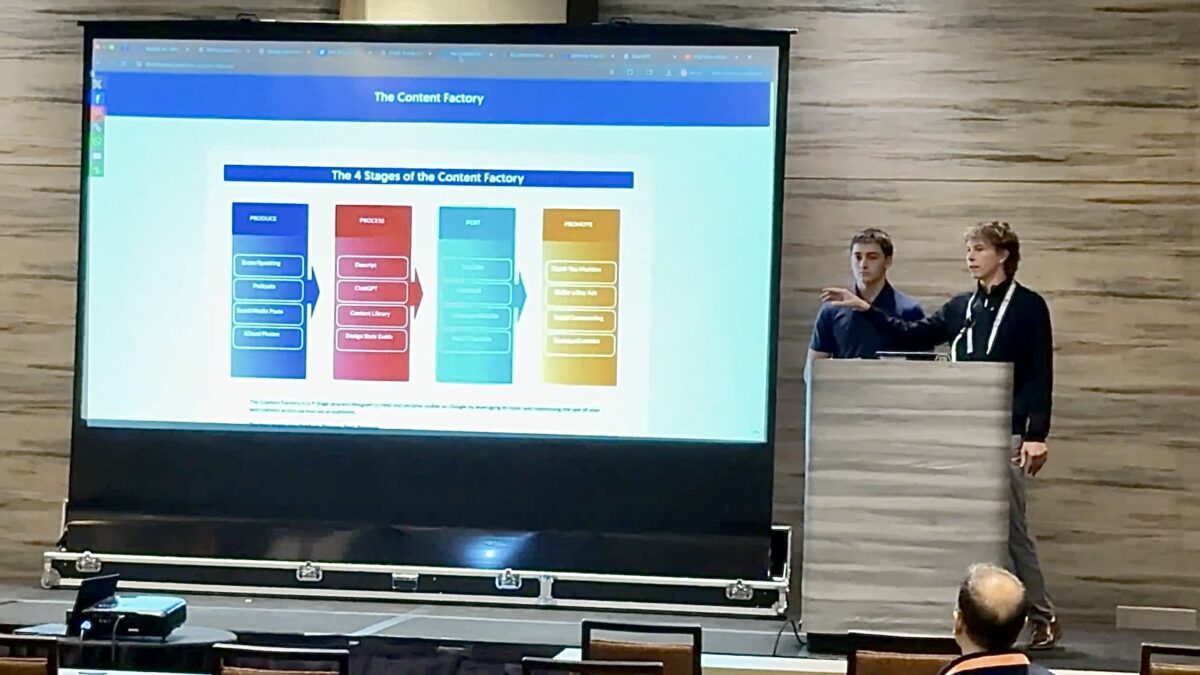
When Jack Wendt and I spoke at DigiMarCon Las Vegas 2025, our goal wasn’t just to teach marketing systems — it was to show how young adults can learn to build digital authority using AI, Google’s Knowledge Graph, and structured personal branding systems.

Through High Rise Influence and our coaching package, High Rise Academy, we’ve been training students to take these same tools and frameworks and apply them to real-world clients — often their parents’ or sponsors’ local service businesses. The results have been powerful: students gain tangible experience, and business owners get measurable growth in visibility, reputation, and authority.

The Topic Wheel: Coaching People to See Their Story

We opened our session with the Topic Wheel, a framework originally developed by Dennis Yu to help individuals map their expertise and professional network.

In the middle sits your name. Around it are your six core topics — the key areas you want to be recognized for. What makes this framework so valuable is the connections it reveals. Each topic branches to people you’ve collaborated with — mentors, clients, and peers.

For example, Jack shared how his first mentor, Caleb Williams, founder of BetterWealth, helped him discover his purpose and eventually introduced him to Dennis Yu. That one connection led to a chain of opportunities that shaped both of our paths — and that’s what we coach our students to recognize: authority grows through relationships built on shared content and collaboration.

When our students map their own Topic Wheels, they begin to understand how their interests, work, and connections form a digital fingerprint that Google can see — one that can be built into lasting authority.

The Content Factory: Turning Coaching Into Action

Once you’ve mapped your expertise, the next step is turning your real-world experience into structured, shareable content. That’s where the Content Factory comes in — the four-stage system we teach inside High Rise Academy:

  1. Produce — Capture what’s already happening: interviews, team meetings, client calls, or training sessions.
  2. Process — Use AI tools like Descript to clean up audio, remove filler words, and transcribe content automatically.
  3. Post — Repurpose that material into videos, blogs, or short-form posts for multiple platforms.
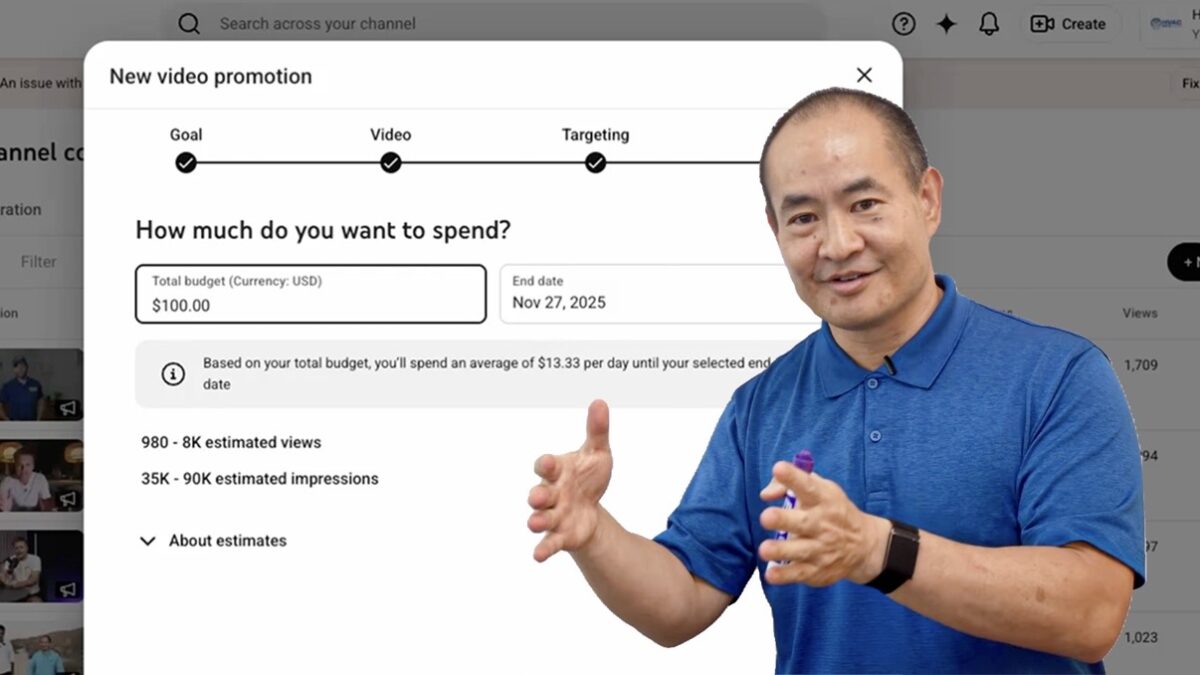
  4. Promote — Test which content performs best with strategies like the Dollar-a-Day ad method and scale from there.

We tell every student: the hardest step is just pressing record. Once content exists, the rest can be automated with the right tools and structure.

For example, we had students film five-minute clips interviewing a family business owner. They used Descript to edit the footage, exported it for YouTube and Facebook, and then generated blog posts using a custom GPT trained on our writing standards. Within a week, those small businesses had content outperforming their competitors — all while our students learned real skills that transfer to any career in marketing or media.

The Google Knowledge Graph: Understanding Digital Trust

We then demonstrated how Google’s Knowledge Graph is the backbone of modern authority. Every recognized person, business, or brand is assigned a Knowledge Graph MID — a digital ID number used by Google to verify who you are and what you’re known for.

We pulled mine up live — Dylan Haugen, trust score 259 — and explained what it means: Google has enough consistent data from multiple verified sources to confidently associate me with my work, media mentions, and social content.

We use this same concept in coaching. For our students, the Knowledge Graph becomes a tangible way to measure progress. As they help real clients organize websites, link social accounts, and publish consistent content, they see those clients’ digital trust scores grow — and sometimes even reach the point where Google generates a Knowledge Panel (the “blue checkmark” of search).

This transforms abstract lessons about SEO and branding into real, measurable outcomes — and it gives young professionals a way to prove they can deliver results.

AI Tools in Coaching: From Learning to Application

During our talk, Jack showed the audience how we use Descript and Custom GPTs in our workflow. Using just a YouTube link, Descript imported the video, transcribed it automatically, and with a few clicks, removed filler words, shortened pauses, and improved audio quality.

From there, we took that transcript into our in-house writing assistant, Jennifer, a custom GPT designed for the High Rise content process. We demonstrated how to refine AI output — removing emojis, bullet lists, and generic phrasing to create content that sounds professional, human, and true to the speaker’s voice.

This hands-on process is exactly what we coach. AI should not replace creativity — it should amplify it. Our students learn to collaborate with AI, giving clear direction and improving the work it produces. That’s what separates automation from craftsmanship.

Mentorship in Action: Learning by Doing

A major part of our mission at HiRISE Influence is mentorship through real work. Inside High Rise Academy, students don’t just learn from lessons — they gain experience by implementing these systems for actual businesses.

Students get matched with real clients — local service businesses that need help building their personal brands. The students create and manage content using AI systems, measure Google authority scores, and apply everything we teach in a live environment.

This structure bridges generations: business owners share experience and trust; students bring digital fluency and energy. Together, they produce meaningful work that benefits both sides — and both learn in the process.

The Future of Coaching: From Training to Implementation

At High Rise Influence, everything we do is built around the Learn–Do–Teach model. We don’t just teach theory — we coach young adults to implement what they learn through hands-on mentorship.

That’s why our collaboration with Local Service Spotlight and their Spotlight Core program is so powerful. While Spotlight Core provides affordable personal brand websites and authority-building systems for business owners, it also gives our students a live environment to apply their training.

Inside High Rise Academy, our students use these same frameworks — the Content Factory, the Topic Wheel, and Knowledge Graph optimization — to help real businesses grow. They gain skills, build portfolios, and see the real-world impact of what they’ve learned.

That’s what makes our coaching unique: it’s not about memorizing concepts, but mastering them through execution and mentorship.

Final Thoughts

Speaking alongside Jack at DigiMarCon Las Vegas 2025 was an incredible opportunity to share what we’ve been building through HiRISE Influence and High Rise Academy. It proved that with the right structure, coaching, and mindset, anyone — whether a business owner or a student — can become a trusted authority online.

Authority isn’t claimed. It’s built, demonstrated, and reinforced through content, collaboration, and consistency. And our mission at HiRISE Influence is to help the next generation learn how to build it for themselves — and teach others to do the same.

Why This Simple 29-Second YouTube Ad Gets a 98.6% Watch Rate

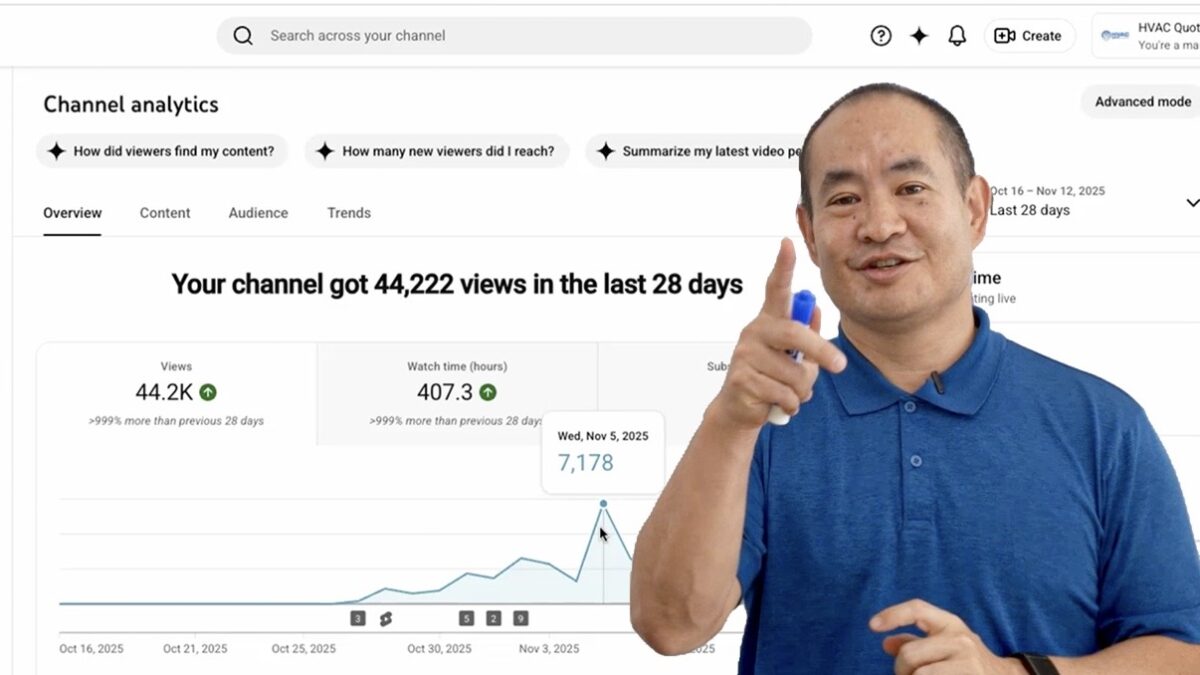
When most people see a YouTube ad, they skip within seconds. Dennis Yu opened this section of his DigiMarCon session with the opposite scenario: a 29-second clip that holds 98.6% of viewers all the way through. No actors. No studio. No script. Just a raw moment with a real sales rep named Alex.

The knee-jerk reaction is to assume that the watch rate results are fake—bots, bad data, or some trick in the setup. But the numbers are real, and the leads they generate are very real. The reason they work comes down to a simple principle Dennis repeated throughout the training: the content itself is the targeting.

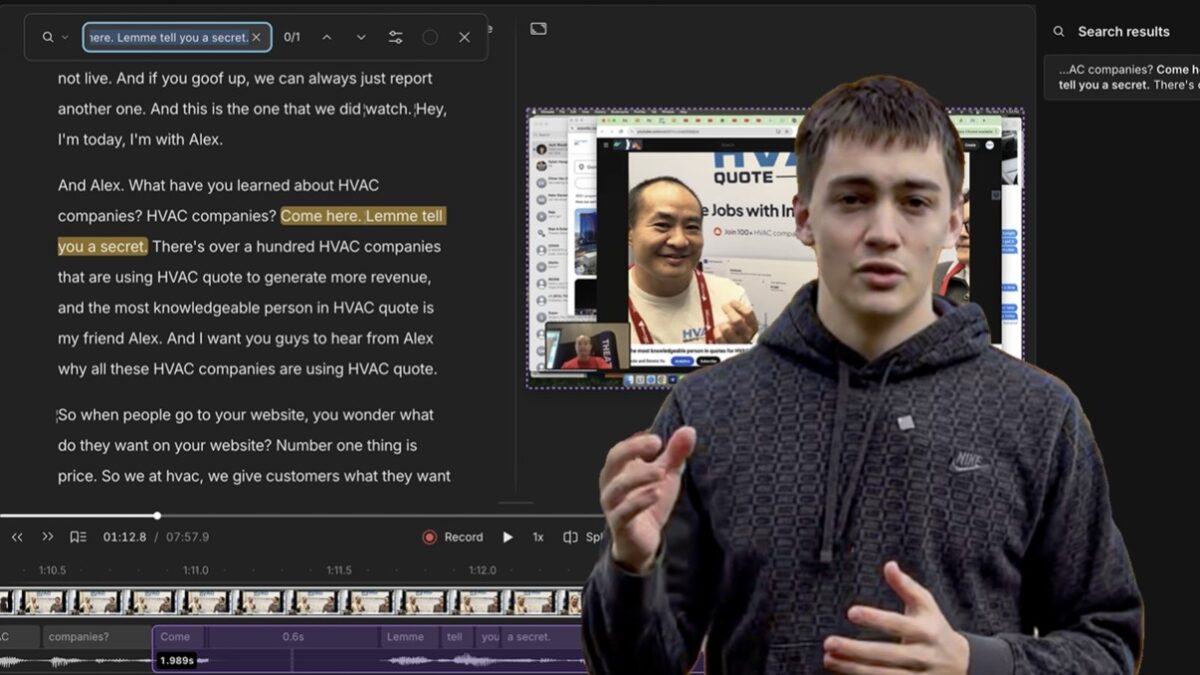
In the session, Dennis pulls up a short YouTube ad featuring Alex, one of HVAC Quote’s top sales reps. When leads come in, they get booked with her, and she’s the one walking HVAC owners through the tool and closing demos. Dennis explains that Alex was very shy and didn’t want to be on video at first, but he convinced her to try a quick, casual clip with the reassurance that it wasn’t live and they could always redo it. On camera, she simply talks through what she sees every day: homeowners want price first, HVAC companies worry about objections, and the quoting tool lets them show pricing upfront while still positioning against competitors. She’s not a marketer, not a “video person” — she just knows the product and the customers. That authenticity, combined with the high watch time on the ad, is what sends a strong signal to YouTube’s algorithm and keeps driving qualified leads.

Once that signal kicks in, the machine goes to work. YouTube shows the clip to more people who behave like the ones who watched the whole thing. Then it retargets the ones who stayed for the next set of clips. No complex targeting. No lookalikes. No giant ad budget. Just behavior doing the heavy lifting.

Dennis pointed out that the performance wasn’t an accident or an outlier. The video continues to deliver leads months later. Watch-time stays stable, cost per lead stays low, and the system keeps finding the right HVAC companies because the viewer reactions shape the audience far better than any manual filter ever could.

It’s a reminder that marketers often over-engineer what platforms already solve for. If the content is relevant in the first three seconds, if real people appear on camera, and if the message speaks directly to a specific group, the algorithm will route the video to the right viewers. And when you give the system this kind of proof, the results compound — clip after clip, lead after lead.

Want to learn how to apply this for your family’s or sponsor’s local service business?

This is exactly what we teach inside High Rise Academy—how to capture real proof, turn it into simple videos like this, and let the platforms do the sorting. Whether you’re helping a parent, a mentor, or a local business in your community, we train you step-by-step to run the same systems Dennis uses with companies like HVAC Quote.

How to Clean Up Training Videos, Presentations, and Zoom Clips Using Descript + ChatGPT

If you’re serious about building a real brand—whether you’re a local business owner, agency, or creator—you can’t avoid long-form content.

Webinars. Live presentations. Zoom trainings.
That’s where the real teaching happens.

The problem? Those recordings are usually messy. Crowd chatter, filler phrases, side stories, awkward transitions—all the stuff that makes sense in a room full of people, but drags on YouTube or inside a training library.

This article breaks down the exact system I use to turn a raw live presentation into a clean, focused training asset and a batch of short clips, using Descript and ChatGPT.

The working example: a session Dennis Yu gave at DigiMarCon Silicon Valley on Dollar-a-Day YouTube ads—recorded live while presenting, then edited afterward as if it were a planned training.

Why Long-Form Training Content Still Wins

It’s easy to obsess over short-form content. But the people who buy from you—coaching clients, sponsors, high-ticket service customers—usually come from deeper material:

  • A 30–60 minute webinar
  • A conference session
  • A live training inside your program

Those long videos do the real work: teaching, framing your system, and proving you know what you’re talking about.

The problem isn’t that people won’t watch long videos.
The problem is they won’t sit through 10 minutes of small talk to get to the good stuff.

So the goal is simple:
Keep the substance. Cut the fluff. Turn one talk into many assets.

The Raw Input: Dennis at DigiMarCon Silicon Valley

The video I edited for this workflow was a real talk Dennis gave at DigiMarCon Silicon Valley on Dollar-a-Day YouTube ads—the same framework we use for local service businesses and software companies.

Here’s what made the raw recording messy (and very normal):

  • It was recorded as a Zoom clip while he presented in front of a live audience.
  • He interacted with the crowd and reacted to the room.
  • Some parts were gold for training.
  • Other parts made sense live, but didn’t add much for someone watching on YouTube later.

Instead of re-filming a “perfect” studio version, we used that live talk as the master asset—and cleaned it up after the fact.

Step 1: Record Once, Use Everywhere

The first rule is simple: don’t overcomplicate recording.

In this case:

  • Dennis spoke live at DigiMarCon.
  • He hit record using Zoom.
  • The result was a standard screen + camera recording—nothing fancy.

Zoom Clips (or similar tools) make this easy. You can capture:

  • Conference sessions
  • Internal trainings
  • Client workshops
  • Coaching calls

All of those can become content after the fact. You don’t need studio time to get started—you just need to hit record when you’re already teaching.

Step 2: Edit Your Video Like a Document in Descript

Once the recording is done, everything moves into Descript.

Descript does two important things at once:

  1. Transcribes the full video into text.
  2. Links every word of that text to the exact frame in the video.

That means you can:

  • Scroll through the transcript.
  • Highlight a sentence or paragraph.
  • Hit delete.
  • And that portion disappears from the video.

You’re basically editing your video like an article.

For the DigiMarCon talk, this let me move quickly through the session and see the structure:

  • Main teaching sections
  • Stories and examples
  • Side comments to the crowd
  • Places where the pacing drifted

I didn’t have to scrub through a timeline guessing where each moment was—I could read it.

Step 3: Let ChatGPT Find the Off-Topic Moments

Here’s where the workflow gets faster.

Instead of manually deciding what to cut purely by feel, I grabbed the entire transcript from Descript (Command + A, Command + C) and dropped it into ChatGPT.

Then I asked it to:

  • Find sections that are unrelated to the main training goal.
  • Flag moments where the speaker is talking just to keep the pace going.
  • Identify spots that might confuse or distract a viewer watching this as a polished training.

ChatGPT responded with specific chunks of text—paragraphs and lines—that were likely non-essential.

From there, the process in Descript is simple:

  1. Copy a suggested sentence or phrase from ChatGPT.
  2. Go back to Descript, click inside the transcript.
  3. Use Command + F and paste that phrase.
  4. Descript scrolls straight to the exact spot in the video.
  5. Review it quickly, then cut the whole section if it doesn’t support the main point.

This alone removes a huge amount of “dead air” and side chatter—without watching the entire video in real time.

Why AI Still Needs a Human Editor

You might be thinking:
“Can’t this whole thing be automated?”

I’ve run transcripts through internal tools like Atlas and experimented with having AI not just suggest cuts, but try to decide what to remove on its own.

Here’s the current reality:

  • AI is good at spotting obvious filler and unrelated tangents.
  • It’s less reliable at knowing where a section actually starts and ends.
  • It often suggests cutting a sentence, when in practice the entire surrounding paragraph should go.

In other words, AI can point to the right neighborhood—but it still needs a human to mark the property line.

So the sweet spot right now is:

AI to highlight candidates. Human to make final decisions.

Once that balance is in place, you get the best of both:

  • AI speed
  • Human judgment

Step 4: Use Descript’s Built-In Cleanup Tools

Descript also has its own AI tools, which are perfect for the “boring but necessary” cleanup:

  • Remove filler words (uh, um, you know, like, etc.)
  • Studio Sound to improve audio quality
  • Basic cutting and rearranging

I recommend this order:

  1. Run filler word removal first to clean the obvious clutter.
  2. Apply Studio Sound if the room, mic, or environment wasn’t ideal.
  3. Then run your ChatGPT-assisted pass for bigger structural cuts.

By the time you’re done, you’ve got a training-ready version of the original talk: clear, focused, and much easier to watch.

Step 5: Turn the Training Into Short Clips

Once the main video is cleaned up, you can flip the process and ask:

“What’s the single most valuable moment here for someone scrolling on social?”

Back inside ChatGPT, using the same transcript, you can ask it to:

  • Identify the most relevant segment that stands alone as a clip.
  • Summarize the main idea of that segment.
  • Suggest a hook or headline based on that moment.

For the DigiMarCon session, that meant pulling out one strong section from a half-hour talk and turning it into a shorter clip we can post on:

  • YouTube Shorts
  • Instagram Reels
  • TikTok
  • LinkedIn

The long video becomes the source.
The short clips become the hooks that send people back to the full training.

The Content Factory Behind This Workflow

This whole process fits perfectly into the Content Factory model we teach:

  1. Produce
    • Record the live talk, webinar, or training (Zoom, in-person, whatever you have).
  2. Process
    • Drop the recording into Descript.
    • Copy the transcript into ChatGPT.
    • Clean filler words, remove noise, and make bigger context cuts with AI + human review.
  3. Post
    • Upload the polished full training to YouTube, your course platform, or internal library.
  4. Promote
    • Pull out the best segments as short clips.
    • Share those across social, email, and inside your programs.

Most people stall in the “Process” stage because they think editing has to be slow and technical.
With this system, a video editor or VA can move from raw recording to publishable asset in a fraction of the time—without sacrificing quality.

How to Train Your Team (or Kids) to Do This

This workflow isn’t just for you as the business owner.

It’s perfect for:

  • A teenage son or daughter helping with marketing
  • A virtual assistant inside your agency
  • An “AI apprentice” inside High Rise Academy
  • Any team member who can follow clear steps

They don’t need to be professional video editors. They need to:

  • Understand the goal of the video (who it’s for and what it should teach).
  • Follow the Descript + ChatGPT steps reliably.
  • Ask questions when they’re unsure whether something should stay or go.

Once someone can run this process, every live training, podcast episode, or presentation becomes fuel for your content factory—not just a one-off event.

A Simple Checklist You Can Follow Today

Here’s a condensed version you can hand to your editor or VA:

  1. Record
    • Capture the session in Zoom (or similar) while you teach live.
  2. Import
    • Upload the video into Descript and let it create the transcript.
  3. Baseline cleanup
    • Run “Remove Filler Words.”
    • Apply Studio Sound if needed.
  4. AI-assisted context cuts
    • Copy the full transcript into ChatGPT.
    • Ask it to flag off-topic, filler, and low-value sections.
    • Use Command + F in Descript to find each section and cut as needed.
  5. Clip creation
    • Ask ChatGPT to identify the strongest stand-alone segment.
    • Use that section in Descript to create a separate short clip.
    • Export both the full training and the clip.
  6. Publish and promote
    • Post the full version to YouTube or your training portal.
    • Post the clip across social channels with a clear call to action back to the full training.

Run that process once, write it up as an SOP, and you now have a repeatable system that anyone on your team can follow.

Want to Go Deeper?

Inside High Rise Academy, we train AI Apprentices to run this entire system—recording, processing, editing, and repurposing content the right way for local service businesses. If you want your business producing clean long-form videos, steady short-form clips, and real proof-based content every week, this is where they’ll learn how to do it. Reach out if you want to get someone enrolled.